Physics at the Peak: Tracking Boiling Point Depression on Mount Kilimanjaro
The Science of Altitude and Phase Changes
Climbing the world's highest freestanding mountain offers more than just a physical challenge; it provides a vertical laboratory to observe fundamental physics in real-time. On Mount Kilimanjaro, the transition through ecological zones is accompanied by a dramatic drop in atmospheric pressure. This shift alters the boiling point of water, a phenomenon known as boiling point depression. While we often think of 100°C as the universal boiling point, this value only holds true at sea level. As you ascend, the decreasing weight of the air column above reduces the pressure acting on the liquid’s surface, allowing water molecules to escape into a gaseous state at much lower temperatures.
Atmospheric Pressure and Molecular Energy
Boiling occurs when the vapor pressure of a liquid equals the external pressure exerted by the surrounding atmosphere. At the base of the mountain, around 8,170 feet, the boiling point already sits significantly below the sea-level standard, measuring approximately 92.6°C. The relationship between pressure and temperature is not merely academic—it has practical consequences for survival and preparation. Destin Sandlin tracked these changes meticulously, discovering that by the time a climber reaches the Uhuru Peak at 19,341 feet, the boiling point plummets to roughly 81.0°C. This lower temperature means that cooking food or sterilizing water takes considerably longer, as the water cannot get "hotter" than its boiling point regardless of the intensity of the flame.
Ecological Transitions and Physiological Strain
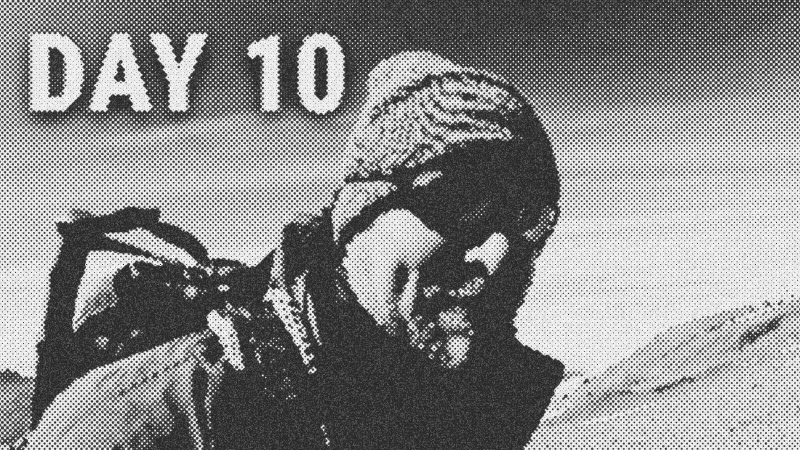
The Vertical Journey Through Biomes
The ascent is a trek through distinct climatic worlds. Starting in the lush rainforest, climbers move into the heather and moorland zones, characterized by hardy shrubs like Erika Borea. By the time one reaches the alpine desert at 13,000 feet, the landscape turns Martian—barren and unforgiving. These transitions highlight the thinning atmosphere, where the partial pressure of oxygen becomes the primary obstacle for the human body.
Managing Hypoxia and Cardiovascular Stress
Hypoxia, or the lack of oxygen reaching body tissues, becomes a constant threat above 10,000 feet. Climbers must monitor their blood oxygen saturation (SpO2) using pulse oximeters. It is common for oxygen levels to dip into the 70s or 80s, forcing the heart to beat faster to compensate for the thin air. The "Pole, pole" (slowly, slowly) pace maintained by guides like Shedrack is a vital strategy to prevent heart rates from spiraling out of control. Moving too fast can lead to Acute Mountain Sickness (AMS), which can escalate into life-threatening conditions if not addressed by immediate descent.
The Human Element: Porters and Resilience
Behind every successful summit is an incredible logistical feat performed by porters and guides from Kili Warriors. These individuals carry massive loads up the same treacherous trails, often singing to manage the collective morale of the group. This cultural aspect of the climb, particularly the "Songs of Ascent," provides a psychological buffer against the fear and physical exhaustion that peak near the summit. Their expertise in reading both the mountain and the health of the climbers is the thin line between a successful expedition and a dangerous rescue operation.
Implications for Exploration and Education
This experiment serves as a powerful reminder of how environmental context dictates physical laws. The verification of boiling points at nearly 20,000 feet honors previous work by creators like Brady Haran while adding new data points to the public understanding of high-altitude physics. In an era where sensationalism often dominates digital content, the collaboration between independent creators and organizations like the Independent Media Initiative ensures that thoughtful, scientifically-grounded exploration remains accessible to a global audience. The descent, while physically taxing on the knees, provides a moment of reflection on the fragility and resilience of the human form in extreme environments.
- Alabama
- 8%· places
- Brady Haran
- 8%· people
- Destin Sandlin
- 8%· people
- Independent Media Initiative
- 8%· organizations
- Kili Warriors
- 8%· companies
- Other topics
- 62%
Climbing Kilimanjaro - Smarter Every Day 302
WatchSmarterEveryDay // 25:34

I explore the world using science. That's pretty much all there is to it. Watch 2 videos. If you learn something AWESOME, please subscribe if you feel like I earned it. Contact: http://www.smartereveryday.com/contact. I currently get lots of correspondence so please forgive me if I'm unable to reply. I mean well, but want to focus on being a better Dad.