Central Casting and Commodity Chaos: The New Macro Reality
The Warsh Nomination and Federal Reserve Independence
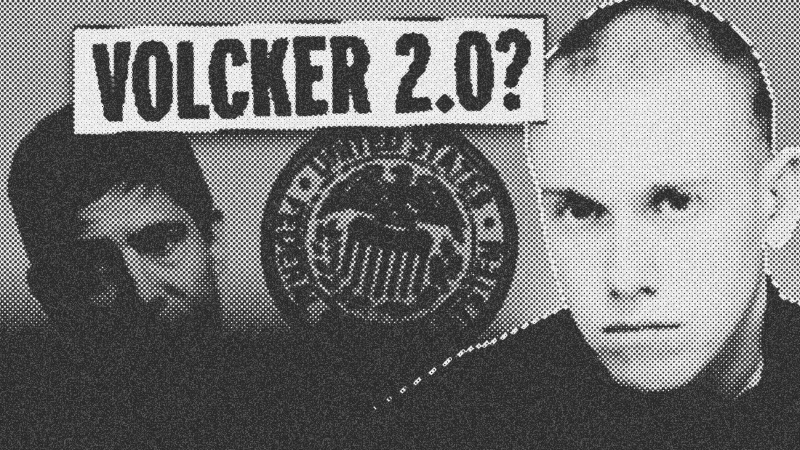
President Donald Trump has signaled a preference for "central casting" by nominating Kevin Warsh to succeed Jerome Powell as Chair of the Federal Reserve. This move carries heavy implications for the future of monetary policy. Warsh, a former Fed Governor and Morgan Stanley alumnus, brings a hawkish reputation that historically favors higher interest rates to combat inflation. This creates a fascinating tension: the President vocally demands aggressive rate cuts, yet he has selected a nominee known for fiscal discipline.
Markets reacted with a degree of skepticism, seeing the dollar strengthen while equities softened. The primary concern is whether Warsh will maintain the central bank's hard-won independence or succumb to political pressure for easier money. However, the institutional structure of the Federal Open Market Committee provides a safeguard. The Fed Chair is only one of twelve votes. To pivot policy solely for political gain, Warsh would need to dismantle a consensus-driven culture that prioritizes economic data over executive branch desires.
The Disney Succession Crisis and Strategic Pivots
The Walt Disney Company finds itself at a crossroads despite beating earnings expectations. While streaming profitability surged 70% and experiences generated record revenue, the stock's 7% decline reveals deep-seated investor anxiety regarding the Bob Iger succession plan. The market is no longer satisfied with short-term wins; it demands clarity on who will steer the Magic Kingdom through the next decade of media volatility.
Josh D'Amaro, head of the experiences division, stands as the frontrunner. Investors largely hold Disney for its theme parks and cruises—the high-margin physical manifestation of its intellectual property. Selecting a creative executive like Dana Walden would signal a continuation of the status quo, whereas a D'Amaro appointment might herald a structural simplification. This could involve spinning off declining linear assets like ABC and ESPN to focus on the high-growth trifecta: studios, streaming, and parks. The era of the sprawling media conglomerate is ending, replaced by leaner entities that prioritize interactive entertainment and direct-to-consumer relationships.
The Financialization of Prestige: Gold as a Meme Stock
Gold, the historical bedrock of financial stability, is currently exhibiting the volatility of a digital shitcoin. The recent $15 trillion erasure of value in less than 24 hours—roughly one-fifth of the total value of the U.S. stock market—suggests that precious metals have entered the "meme stock" cycle. When assets like Gold and Silver swing 10% to 30% in a single day, they are no longer functioning as inflation hedges. They are functioning as momentum trades.
This behavior is driven by the algorithmic nature of modern brokerage apps. When Robinhood or similar platforms serve up the iShares Silver Trust as a trending ticker, retail interest floods in regardless of fundamental drivers. Interestingly, while retail traders on WallStreetBets are obsessed with gold, central banks reduced their purchases by more than a third last year. The disconnect between institutional reality and retail narrative has created a speculative bubble. Gold is currently less of an investment thesis and more of a social media story, one that increasingly resembles the boom-and-bust patterns of GameStop.
Global Trade and the Legacy of the Powell Era
As the U.S. and India reach a surprise trade deal to lower tariffs, the macro environment is shifting toward tactical bilateralism. Amidst this, the legacy of Jerome Powell comes into sharp focus. Despite public friction with the executive branch, Powell managed the post-pandemic recovery with remarkable precision, achieving near-full employment while guiding inflation back toward its target. If Kevin Warsh is to succeed, he must replicate this ability to navigate geopolitical noise without compromising the Fed's mandate. The coming months will determine if the global economy continues its stable trajectory or if the combination of political pressure and retail speculation triggers a new era of instability.
- Jerome Powell
- 9%· people
- Kevin Warsh
- 9%· people
- ABC
- 5%· companies
- Bob Iger
- 5%· people
- Dana Walden
- 5%· people
- Other topics
- 68%
Why Markets Aren’t Scared of Kevin Warsh | Prof G Markets
WatchThe Prof G Pod – Scott Galloway // 28:05

NYU Professor, best-selling author, business leader and serial entrepreneur Scott Galloway cuts through the biggest stories in tech, business, and investing with unfiltered insights, bold predictions and thoughtful advice. Podcasts include Prof G Markets with co-host Ed Elson, Prof G Conversations and Office Hours with Prof G.