Market Friction and Cultural Shifts: From Rent Control to Remote Governance
The current economic cycle is surfacing a series of paradoxes in governance and consumer behavior. As we navigate the mid-2020s, the tension between legacy structures and emergent modern strategies is reaching a boiling point. From the legislative battles over housing affordability in Massachusetts to the technological overhaul of household staples, the global market is witnessing a fundamental recalibration of value and utility.
The Rent Control Paradox in Massachusetts
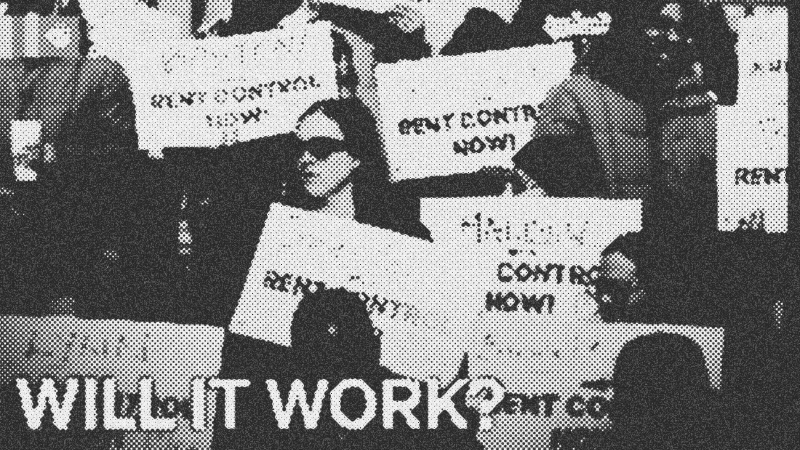
A high-stakes economic experiment is unfolding in Massachusetts as the state prepares for a potential ballot initiative on the country’s strictest rent control measures. The proposal would cap annual rent hikes at the rate of inflation or 5%, whichever is lower. This is a classic supply-side versus demand-side collision. While proponents like Michelle Wu argue for immediate relief in a market where a two-bedroom apartment in Boston costs 74% more than the national average, the microeconomic reality is far more complex. Maura Healey correctly identifies the risk: artificial price ceilings often halt production. When St. Paul implemented similar caps, multifamily construction permits plummeted, while neighboring Minneapolis saw growth without such restrictions. History suggests that capping prices without addressing the underlying housing shortage merely trades current affordability for future scarcity.
The Generational Divide in Workplace Policy
Work-from-home (WFH) trends are no longer just about public health; they are becoming a marker of corporate age. A recent National Bureau of Economic Research paper reveals that companies founded after 2015 are twice as likely to offer remote flexibility compared to those established before 1990. This is a structural shift in "remote-native" infrastructure. Legacy firms like JPMorgan and Amazon are fighting an uphill battle to return to office (RTO), while younger CEOs under 30 are institutionalizing asynchronous workflows as a standard competitive advantage for talent acquisition. Interestingly, Gen Z employees show the least preference for fully remote work, suggesting that while the leadership is shifting toward digital-first, the workers still crave the social capital of the physical office.
Tide Evo and the Engineering of Consumer Habits
Procter & Gamble is attempting to disrupt the $9.3 billion laundry detergent market with Tide Evo, a tile-form detergent that represents over a decade of chemical engineering. This isn't just a new shape; it is a logistical play. By removing water and plastic bottles, Tide reduces shipping costs and aligns with sustainability mandates. The product design also serves as a masterclass in risk management. Following the PR disaster of the Tide Pods challenge, Tide Evo utilizes a dry, fibrous texture to explicitly avoid looking appetizing. This move highlights a broader trend: consumer brands are now forced to engineer products not just for efficiency, but for behavioral safety in the age of social media.
Norway: The Macroeconomics of Athletic Dominance
Norway continues to defy demographic logic, leading the gold medal count with 2% of the US population. Their success is a product of deliberate social engineering rather than accidental geography. By banning official scorekeeping until age 13 and preventing private equity from commercializing youth sports, Norway maintains a massive base of participation. This "Joy for All" model creates a wider funnel of talent than the expensive, win-at-all-costs American system. It is a reminder that in both markets and sports, long-term investments in human capital often outperform short-term, high-pressure models.
The Shifting Corporate Geography
Palantir moving its headquarters to Miami signals a continuing migration of Silicon Valley dissenters. CEO Alex Karp has been vocal about the ideological divergence between his firm and Silicon Valley. While tax incentives like Florida's lack of a wealth tax play a role, the movement of firms like Citadel and Palantir suggests a search for a more favorable regulatory and cultural climate. The "Silicon Tropics" are no longer a dream; they are becoming a concentrated hub of institutional capital.
These shifts indicate a world where traditional geographic and economic boundaries are blurring. Whether it's through the way we house citizens, govern workers, or manufacture household goods, the focus is turning toward flexibility and long-term sustainability over rigid legacy frameworks.
- Massachusetts
- 8%· places
- Norway
- 8%· places
- Palantir
- 8%· companies
- Tide Evo
- 8%· products
- Alex Karp
- 4%· people
- Other topics
- 63%
Boston is the latest to catch rent control fever
WatchMorning Brew Daily // 24:46

Morning Brew Daily, a daily talk show that covers the latest news on business, the economy, and everything else, with Neal Freyman and Toby Howell. Witty, informative and everything you need to start your day. Available on all podcasting platforms and Youtube. Listen to the podcast here: https://link.chtbl.com/MBD Follow us on Twitter: https://twitter.com/mbdailyshow Follow us on Instagram: https://www.instagram.com/mbdailyshow/ Follow us on TikTok: http://www.tiktok.com/@mbdailyshow Sign up for the Morning Brew Newsletter: https://www.morningbrew.com/daily/subscribe?utm_campaign=mbd_yt&utm_medium=multimedia&utm_source=youtube