The Interconnectedness of Everything: Navigating Global Complexity Through Modern Trivia
The Architecture of Global Influence
Modern economic stability relies on an intricate web of personal leadership, institutional policy, and cultural resonance. While traditional market analysis often prioritizes hard data and balance sheets, the true pulse of the global landscape is found in the intersection of policy and personality. This reality becomes evident when examining the current trajectory of the Federal Reserve. The selection of its leadership, such as the potential rise of figures like Kevin Warsh, represents more than a bureaucratic appointment; it signals a shift in monetary philosophy that ripples through every international trading floor.
We live in an era where a single world leader's speech at Davos can redefine international cooperation. When Mark Carney warns that middle powers must act together to avoid becoming the "menu" for larger entities, he is addressing the fundamental shift toward a multipolar world. This is not merely geopolitics; it is the raw substrate of global trade. The ability to navigate these shifts requires a multidisciplinary approach that spans from the boardrooms of Palantir Technologies to the high-stakes branding strategies of the Super Bowl.
The Commercialization of National Identity
Public perception of national strength has transitioned from industrial output to cultural and athletic dominance. The Winter Olympics serve as a prime example of this soft power. Beyond the spectacle of the Miracle on Ice in Lake Placid, these events are massive economic engines. They dictate infrastructure spending in regions like Northern Italy and Vancouver, while turning athletes like Apolo Ohno into symbols of national resilience.
This commercialization extends to the very landmarks that define history. When Rome implements access fees for the Trevi Fountain, it is a clear indicator of the "over-tourism" economic model. Cities are no longer just habitats; they are monetized assets. This trend mirrors the way modern corporations, led by polarizing figures like Elon Musk, use social media to influence market sentiment. A simple "beef" between Musk and an airline like Ryanair can instantly transform into a corporate acquisition threat, demonstrating how personal brand power now rivals institutional authority.
The Digital Home Screen: A New Economic Frontier
If the 20th century was defined by physical real estate, the 21st is defined by digital real estate. The "home screen" has become the most valuable territory in the world. The draft of essential applications—ranging from Google Maps to Spotify—reveals a hierarchy of utility and attention. These are not just tools; they are the gateways through which all modern commerce flows. Uber manages global logistics, Strava monetizes fitness data, and The New York Times Games captures the scarce commodity of daily habit.
This digital ecosystem is reinforced by the legacy of the App Store, which acts as the ultimate gatekeeper. The competition for these slots is fierce because the home screen represents the convergence of personal identity and consumer behavior. Whether it is a utilitarian tool like the Settings App or a niche interest like the Jeremy Renner App, each icon represents a data point in the larger macro trend of the "attention economy."
Presidential Legacies and Market Sentiment
Historical context provides the necessary anchor for understanding current market volatility. The lineage of American leadership, from George Washington to Joe Biden, dictates the fiscal guardrails within which the global economy operates. Each administration brings a distinct flavor of regulation and trade policy. The transition from William Howard Taft to Franklin D. Roosevelt signaled a massive expansion of the federal role, a trend that continues to evolve today.
Even historical oddities, such as Calvin Coolidge and his exotic pets, or the brief tenure of William Henry Harrison, offer insights into the stability of American institutions. Markets crave predictability; the knowledge that the system survives individual quirks or tragedies is fundamental to long-term investment. In 2016, when Hillary Clinton attempted to bridge the gap between policy and pop culture with her Pokemon Go reference, it was a recognition that the language of the electorate—and by extension, the consumer—had shifted irrevocably toward the digital and the viral.
Conclusion: The Synthesis of Knowledge
Navigating the current global market requires a synthesis of disparate facts. One must understand the rules of Curling as well as the nuances of Federal Reserve policy. The modern analyst cannot afford to stay in a silo. Success is found at the intersection of cultural literacy and fiscal rigor. As we look toward 2026 and beyond, the winners will be those who can connect the dots between a Super Bowl advertisement and the shifting sands of international trade. The world is a complex, interconnected system where every piece of trivia is, in fact, a piece of the larger economic puzzle.
- Federal Reserve
- 5%· organizations
- Super Bowl
- 5%· events
- Apolo Ohno
- 3%· people
- App Store
- 3%· products
- Calvin Coolidge
- 3%· people
- Other topics
- 81%
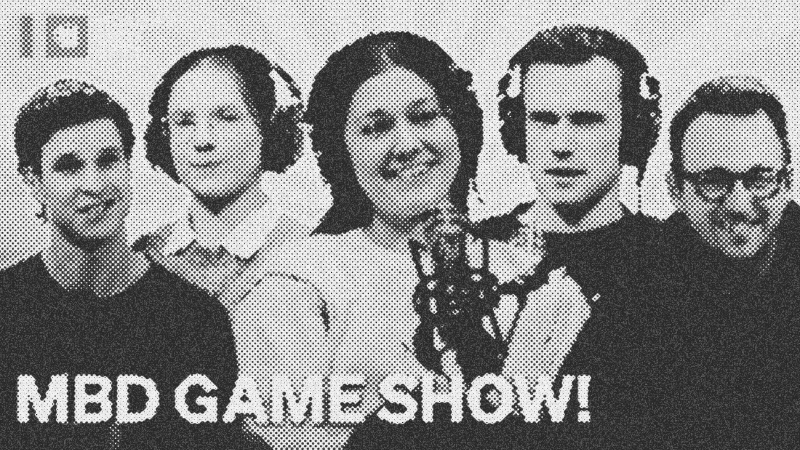
Are you smarter than Morning Brew?
WatchMorning Brew Daily // 43:56

Morning Brew Daily, a daily talk show that covers the latest news on business, the economy, and everything else, with Neal Freyman and Toby Howell. Witty, informative and everything you need to start your day. Available on all podcasting platforms and Youtube. Listen to the podcast here: https://link.chtbl.com/MBD Follow us on Twitter: https://twitter.com/mbdailyshow Follow us on Instagram: https://www.instagram.com/mbdailyshow/ Follow us on TikTok: http://www.tiktok.com/@mbdailyshow Sign up for the Morning Brew Newsletter: https://www.morningbrew.com/daily/subscribe?utm_campaign=mbd_yt&utm_medium=multimedia&utm_source=youtube