Crafting the Future of Cinema: A Deep Exploration with Matt Damon and Ben Affleck
The Cultural Shift from Theaters to Screens
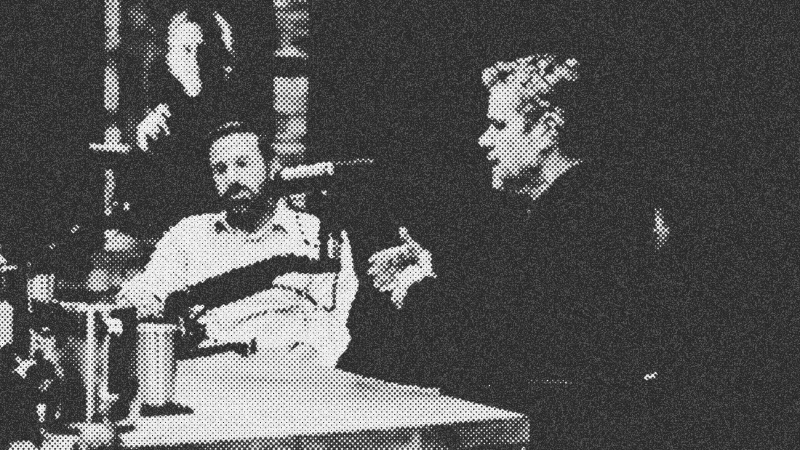
Theatrical experiences have historically functioned as a secular form of communal ritual. For decades, Americans shared a singular space, a fixed time, and a mutual commitment to a narrative. Matt Damon and Ben Affleck observe that this shared focus is disintegrating under the pressure of convenience and technology. The transition to streaming platforms like Netflix has fundamentally altered how audiences engage with stories. When a viewer watches a film at home, the environmental factors change the physiological and psychological response. Lights remain on, phones vibrate, and the ability to pause allows for a fragmented attention span that theaters once effectively prohibited.
This shift is not merely about where we watch, but how the industry prices risk. In the 1990s, when Matt Damon and Ben Affleck broke through with Good Will Hunting, independent cinema thrived on theatrical runs. Today, a $25 million film must generate $100 million at the box office just to break even, largely due to the ballooning costs of marketing required to cut through digital noise. Consequently, studios have retreated into the safety of established Intellectual Property (IP), sequels, and superhero franchises. Ben Affleck points out that while the theatrical experience is superior for massive spectacles, the streaming model offers a sanctuary for the experimental, the R-rated, and the character-driven dramas that have been priced out of theaters.
Reimagining the Economics of Film Production
A critical tension in modern Hollywood revolves around the equitable distribution of profits. The recent industry strikes highlighted a growing resentment toward a system where creative success often fails to trickle down to the workers. With their new project, The Rip, Ben Affleck and Matt Damon have institutionalized a bonus structure designed to reward the entire crew based on the film's performance. They describe this not as philanthropy, but as an essential business evolution. By treating the crew—the gaffers, camera operators, and painters—as invested stakeholders, the production fosters a higher tier of professional commitment.
Traditionally, "above-the-line" talent—actors, directors, and producers—reaped the rewards of success, while "below-the-line" workers remained tethered to hourly rates. Matt Damon argues that this model misprices the actual value of technical expertise. A great camera operator like Colin Anderson provides a demonstrable impact on the final product. By creating a template for performance-based bonuses at Netflix, they hope to move toward a future where everyone who contributes to a hit shares in its longevity. This approach also helps manage financial risk, allowing for lower upfront costs in exchange for upside participation, making edgy or original ideas more palatable to financiers.
The Human Limit of Artificial Intelligence
Artificial Intelligence serves as a source of existential dread within creative circles, but Ben Affleck offers a grounded, analytical counterpoint to the hype. He suggests that AI, by its very architecture, is a "mean-reverting" technology. It scrapes existing data to find the average, resulting in output that is fundamentally unoriginal. While it can serve as a useful tool for logistical tasks—such as rendering visual effects or simulating backgrounds—it lacks the capacity for the "lived human experience" that defines great art.
To illustrate this, Matt Damon references a specific scene in The Smashing Machine where Dwayne Johnson pulls a hospital sheet over his head in a moment of absolute vulnerability. This performance choice was not the result of an algorithm; it was drawn from Dwayne Johnson's personal memory of his mother receiving a terminal cancer diagnosis. Ben Affleck posits that an audience recognizes this authenticity instinctively. AI can simulate a quivering lip, but it cannot decide why a character would hide. The nuance, the betrayal of an old friend, and the specific timing of a look are all rooted in human biology and social history, things that a machine cannot experience or replicate.
The Philosophy of Performance and Research
Great acting is often a product of meticulous observation rather than pure imagination. Ben Affleck recalls his time researching The Town, where he interviewed real bank robbers and federal agents in Massachusetts. This research yielded moments of human behavior that a writer could never invent in a vacuum. One notable example is the "construction cop" scene, where a police officer chooses to look away from masked gunmen because he doesn't want to end up on the wall of the VFW. This calculation of self-preservation is a specific, local truth that lends the film its credibility.
Matt Damon emphasizes the importance of authenticity in technical advisory. Working with real-life narcotics officers from Miami for their latest film provided a sense of legitimacy that permeates the screen. When real professionals are on set, actors can absorb the culture, the vocabulary, and the physical movements of the trade through osmosis. This commitment to detail prevents the "movie moment"—the convenient plot device that breaks the audience's immersion. Instead, the goal is to create a blank screen where the audience can project their own emotions and experiences, guided by characters who feel as flawed and complex as people in the real world.
Complexity, Forgiveness, and the Public Eye
The conversation turns toward the moral complexity of characters and the harsh reality of modern public judgment. Ben Affleck and Matt Damon argue that cinema's greatest gift is its ability to force empathy for the "objectionable." Characters like Tony Soprano or Marlon Brando's Stanley Kowalski are beloved not because they are good, but because they are human. They embody the "slippery slope" of moral compromise—the series of small, justifiable lies that eventually lead to a hole from which there is no escape.
This nuanced view of humanity stands in stark contrast to the binary nature of contemporary social media culture. The phenomenon of "canceling" individuals often reduces a person's entire life to their worst moment. Ben Affleck suggests that this lack of grace is a denial of human evolution. People who have faced addiction or committed errors and then found redemption are often the most trustworthy, as they have done the hard work of looking inward. A society without forgiveness is one that prevents growth. Through films like Wake Up Dead Man, which explores themes of grace, the actors hope to challenge the instinct to isolate and destroy those who stumble.
The Cost of Greatness and the Long Tail
There is an inherent tragedy in peak performance, particularly in sports. Joe Rogan and the actors discuss the brief window of brilliance available to athletes like Jon Jones or Tom Brady. The obsession required to be the absolute best often demands the abandonment of all other concerns, including personal relationships. This single-minded focus is what the public consumes and feeds off of, yet it leaves the performer in a state of perpetual dissatisfaction.
Unlike athletes, actors have the luxury of a "long tail." They can improve as they age, using experience to compensate for declining physical skills. Matt Damon reflects on the joy of sharing classic films like Taxi Driver and The King Comedy with his son, realizing that these works are even more masterful than he perceived in his youth. The enduring power of a story that touches the human spirit—like the storming of the beach in Saving Private Ryan—is the ultimate goal. For Matt Damon and Ben Affleck, the business may change, and the platforms may shift, but the pursuit of that one hypnotic, authentic moment remains the central preoccupation of their lives.
- Ben Affleck
- 24%· people
- Matt Damon
- 21%· people
- Dwayne Johnson
- 5%· people
- Netflix
- 5%· companies
- Colin Anderson
- 2%· people
- Other topics
- 43%
Joe Rogan Experience #2440 - Matt Damon & Ben Affleck
WatchPowerfulJRE // 2:24:07
