The Brutal Fight for Our Streets: Why Urban Change Triggers Survival Instincts
The Gridlock of Modern Existence
Our cities are suffocating. It isn’t just about the slow crawl of traffic; it's about the erosion of our health and the literal destruction of communities to feed the insatiable hunger of car-dependent infrastructure. In Bristol, we’ve seen the ghosts of the 1970s where the Totterdown district was razed—hundreds of homes and dozens of pubs wiped out—simply to increase road capacity. We are living in the wreckage of a 1960s dream that prioritized the machine over the human. Today, the bill is coming due in the form of thousands of premature deaths and a population that has forgotten how to move under its own power.
The Front Lines of Liveable Neighbourhoods
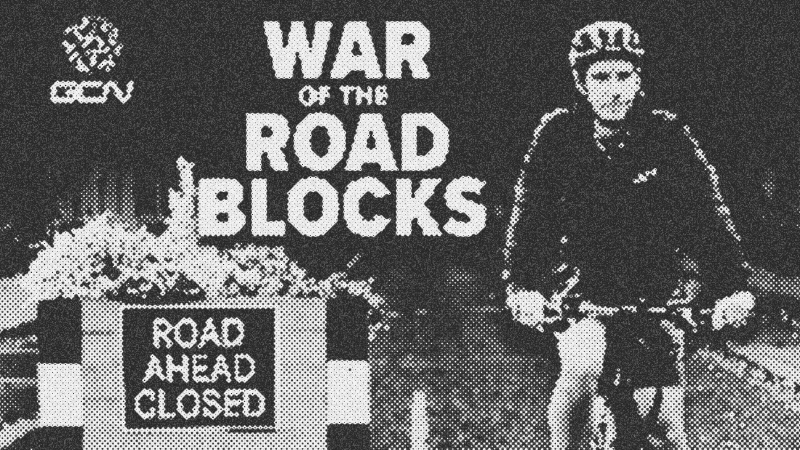
Livable Neighbourhoods aim to reclaim the wild heart of our streets. By using modal filters—often dismissed as mere roadblocks or flower beds—councils attempt to discourage through-traffic. Ed Plowden of the Bristol City Council argues that we must cut congestion by 25% just to maintain the current, miserable status quo. The goal is to return traffic to main arteries and leave residential streets for children and cyclists. It sounds like a victory for the lungs and the spirit, yet it has sparked a level of vitriol usually reserved for blood feuds.
The Psychology of Resistance: Status Quo Bias
Why does a planter box provoke such rage? The answer lies in the Status Quo Bias. Martin Lanzendorf (mistakenly referred to as Martin Carlson in some contexts) explains that humans possess an irrational preference for the current state of affairs, regardless of the potential benefits of change. His research proves that people will defend a 50km/h speed limit if it already exists, but will fight it tooth and nail if it is a proposed increase from 30km/h. We are hardwired to fear what we might lose more than we value what we might gain. This isn't logic; it's an evolutionary reflex.
The Hill of Hysteria
Alexander Prem identifies a repeatable pattern in urban evolution: the Hill of Hysteria. Public resistance always peaks exactly at the moment of implementation. It feels like the end of freedom. However, his study of 13 case studies shows that within a year or two, the anger fades. Once residents experience the firsthand reality of quieter streets and safer air, the policy becomes popular, and the politicians who braved the storm often see a surge in reelection success. The struggle is temporary; the benefits are permanent.
The Discrepancy of Perception
There is a massive rift between what people actually want and what politicians think people want. While vocal minorities dominate social media with cries of "ghettos" and restricted freedom, polling often shows a silent, evenly split population or even a majority in favor of pedestrian-centric spaces. Berlin serves as a cautionary tale where rolling back active travel policies was described as returning to the "Middle Ages." If we allow the loudest voices to dictate the geography of our lives, we remain trapped in the exhaust of the past.
Beyond Piecemeal Solutions
Perhaps the real problem is that our current plans aren't bold enough. The 1960s visionaries were wrong, but they were brave. They had a collective vision that allowed for seismic shifts in infrastructure. Today, we tinker at the edges with a few planters and wonder why everyone is miserable. To truly find ourselves in the urban wild, we need a revolution in public transport and a complete rejection of the car-first paradigm. It’s time to stop standing still and start climbing toward a future that actually breathes.
- ADAC
- 9%· companies
- Alexander Prem
- 9%· people
- Berlin
- 9%· places
- Bristol
- 9%· places
- Bristol City Council
- 9%· companies
- Other topics
- 55%
This Is The Real Reason We Can't Have The Cities We Dream Of
WatchGlobal Cycling Network // 24:58

The Global Cycling Network puts you in the centre of the action: from the iconic climbs of Alpe D’Huez and Mont Ventoux to the cobbles of Flanders, everywhere there is road or pavé, world-class racing and pro riders, we will be there bringing you action, analysis and unparalleled access every week, every month, and every year. We show you how to be a better cyclist with our bike maintenance videos, tips for improving your cycling, cycling top tens, and not forgetting the weekly GCN Show. Join us on YouTube’s biggest and best cycling channel to get closer to the action and improve your riding! Welcome to the Global Cycling Network!