Pro vs. Supernerds: A Tactical Breakdown of the Ultimate Pursuit
Pursuit Scenario Overview
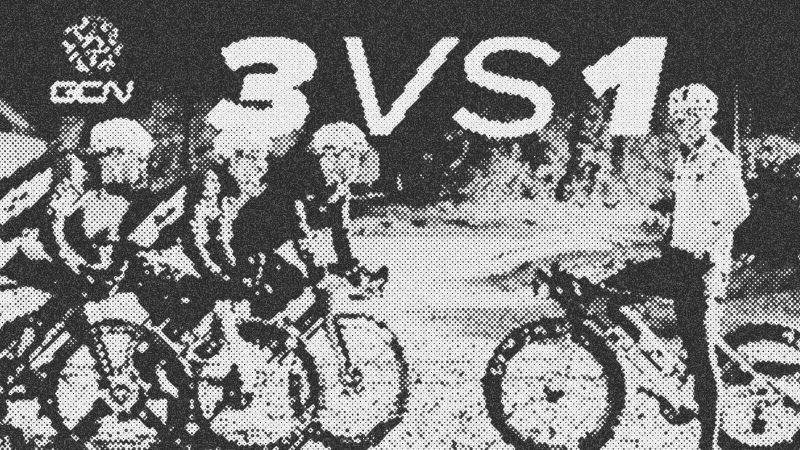
The challenge pits three Global Cycling Network presenters—the self-proclaimed Supernerds—against Matt Holmes, a former World Tour professional. The battlefield is a 13.1 km circuit. The rules are simple but brutal: the trio receives a three-minute head start. Victory for the group requires maintaining that gap or extending it over multiple laps. For the hunter, victory means making physical contact. This isn't just a test of fitness; it's a cold calculation of aerodynamics, pacing, and the diminishing returns of a disorganized paceline.
Key Strategic Decisions
Matt Holmes entered the fray with a clear, data-driven strategy. He targeted a sustained output of 350-370 watts, specifically choosing to "press on" during technical sections and headwinds where his superior individual efficiency outweighed the group's drafting advantage. Conversely, the Global Cycling Network team banked on the "power of three," assuming a rotating paceline would shield their weaker riders. However, they failed to account for the "anchor effect"—where the slowest rider dictates the group's ceiling. When Ollie Bridgewood dropped early due to overtraining and fatigue, the trio's mechanical advantage evaporated, leaving a duo to fight a losing battle against a professional engine.
Performance Breakdown and Data Insights
Analyzing the Strava data reveals the harsh reality of professional-grade endurance. Holmes averaged 364 watts during his hunt, but his true brilliance lay in his variable pacing. He understood that on flat, fast sections, even a massive power increase yields marginal speed gains due to drag. He saved his deepest efforts for the climbs, where the gravity-to-power ratio allowed him to claw back time in chunks. While the remaining Global Cycling Network riders held a respectable pace, they lacked the "snap" required to respond to the closing gap, eventually losing 80 seconds in just a few kilometers during the final lap.
Critical Moments and Future Implications
The turning point occurred on lap three. The fatigue of the chase and the unrelenting wind fractured the team's cohesion. Holmes identified this vulnerability, accelerating into the uphill sectors to maximize the time regained. The analysis proves that a pro’s ability to suffer at a high percentage of their FTP is the ultimate equalizer against amateur numbers. Future attempts must prioritize a tighter rotation and perhaps a larger initial handicap to offset the sheer technical efficiency of a World Tour athlete.
- Global Cycling Network
- 38%· companies
- Matt Holmes
- 25%· people
- Ollie Bridgewood
- 13%· people
- Richie Porte
- 13%· people
- Strava
- 13%· products
Is One Pro Cyclist Faster Than 3 GCN Presenters?
WatchGlobal Cycling Network // 14:58

The Global Cycling Network puts you in the centre of the action: from the iconic climbs of Alpe D’Huez and Mont Ventoux to the cobbles of Flanders, everywhere there is road or pavé, world-class racing and pro riders, we will be there bringing you action, analysis and unparalleled access every week, every month, and every year. We show you how to be a better cyclist with our bike maintenance videos, tips for improving your cycling, cycling top tens, and not forgetting the weekly GCN Show. Join us on YouTube’s biggest and best cycling channel to get closer to the action and improve your riding! Welcome to the Global Cycling Network!