The Ultimate Michelin-Style Braised Lamb Shank: A Culinary Masterclass
Elevating Humble Cuts to Fine Dining Standards
Transforming a tough, fibrous lamb shank into a centerpiece worthy of a Michelin star requires more than just time; it demands technical precision. This preparation, inspired by the legendary Le Gavroche and the heritage of Michel Roux Jr and Albert Roux, emphasizes that quality cooking is rooted in the respect for ingredients. By applying high-level techniques like brining, precise searing, and fat emulsification, you can coax extraordinary flavor from affordable cuts.
Tools and Materials Needed
You will need a sharp chef’s knife, a large casserole dish, a fine-mesh sieve, and a skillet for searing. Essential ingredients include six lamb shank, chicken stock, aromatics (rosemary, thyme, bay leaves), and lamb bones for depth. For the refined sauce, have Madeira, white wine, shallots, and anchovies on hand.
Step-by-Step Culinary Instructions
- Preparation and Brining: Score the membranes around the bone to ensure a clean presentation post-cook. Submerge the shanks in a 5% salt brine for 8 to 24 hours. This uses osmosis to break down structural proteins, allowing the meat to retain moisture during the long braise.
- Developing Flavor: Roast lamb bones at 180°C until dark gold. Sear the shanks in a hot skillet to initiate the Maillard reaction, creating a flavorful crust. Séparately, sweat a mirepoix of carrots, onion, and celery to build a secondary flavor base.
- The Braise: Combine shanks, roasted bones, aromatics, and chicken stock in a casserole dish. Add anchovies for a hidden umami boost. Cover with a cartouche and braise at 140°C for 2.5 hours.
- The Refined Sauce: Strain the cooking liquid and reduce it with a Madeira and shallots reduction. For a professional finish, whisk in reserved lamb fat to emulsify the sauce, creating an unctuous mouthfeel.
Tips and Troubleshooting
Avoid the temptation to cook the meat until it completely falls apart. Overcooking leads to a "muddy" texture. Aim for an internal temperature of 85°C, where collagen has dissolved into gelatin but muscle fibers retain their integrity. If your sauce feels thin, continue the reduction rather than adding flour; the power of reduction yields a cleaner, more intense flavor profile.
The Final Plate
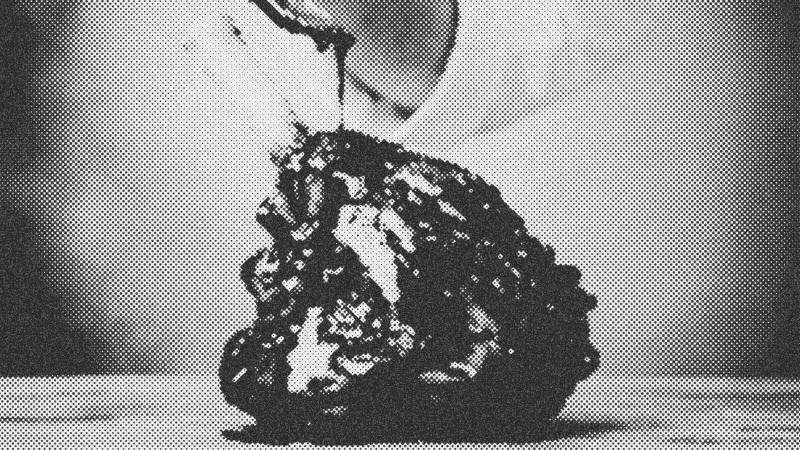
The result is a dish that balances rustic comfort with Michelin elegance. You should see a glossy, deep-mahogany glaze on the lamb, paired with vibrant, buttery Vichy carrots. It is a testament to the fact that great cooking doesn't require "silly ingredients," only the discipline to execute fundamental techniques perfectly.
- anchovies
- 10%· products
- chicken stock
- 10%· products
- lamb shank
- 10%· products
- Madeira
- 10%· products
- Michelin
- 10%· organizations
- Other topics
- 50%
Michelin Lamb Shank at Home
WatchFallow // 13:11

We're Jack and Will & we run Fallow, Roe & FOWL restaurants in London. For enquiries, contact [email protected]