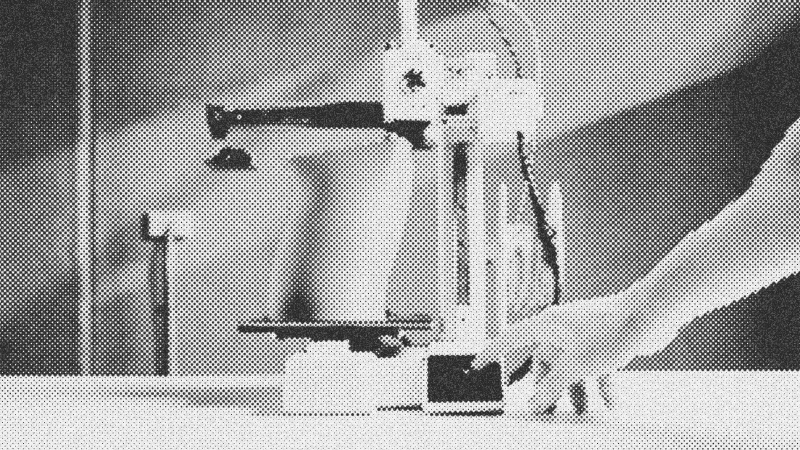
PLA, or Polylactic Acid, is a thermoplastic derived from renewable resources like corn starch or sugarcane. This makes it a bio-based and more environmentally friendly alternative to petroleum-based plastics. PLA is widely used in FDM 3D printing due to its low melting point, high strength, and ease of use. It's a popular choice for beginners because it doesn't require a heated bed and can be printed at lower temperatures. PLA is also valued for its good aesthetic properties, producing smooth surfaces and fine details in printed objects.
PLA is used in a variety of applications, including food packaging, disposable tableware, consumer goods, agricultural films, and medical implants such as sutures. PLA can be industrially composted under controlled conditions, breaking down into natural substances. However, it requires specific conditions to properly compost and may contaminate the recycling stream if mixed with other plastics. While PLA is biodegradable, it may degrade slowly in landfills and could contribute to microplastic production in marine environments. PLA filament typically costs between $10 to $40 per kilogram, making it an affordable option for 3D printing.