Bambu Lab A1 Mini Review: The Budget King of Desktop Fabrication
The Entry-Level Powerhouse
Bringing a digital design to life with your own hands is the ultimate payoff for any hardware enthusiast. The Bambu Lab A1 Mini enters the fray as a $250 "bedslinger" that challenges the notion that budget printers require constant tinkering. While it occupies the bottom of the stack, the DNA of high-end machines is immediately apparent. It offers a 180mm cube build volume—a space that, despite the "mini" moniker, comfortably handles roughly 85% of typical DIY projects, from cable management brackets to custom PC shrouds.
Hardware Precision and Software Ease
Constructed with a robust steel and aluminum frame, the Bambu Lab A1 Mini sheds the "cheap toy" aesthetic often found at this price point. It features a built-in camera and tool head speeds that rival its premium sibling, the X1 Carbon. The real magic, however, lies in the Bambu Studio software. By utilizing optimized presets, users bypass the headache of manual calibration. Features like automatic bed leveling and flow dynamics calibration ensure the first layer—the foundation of every successful build—is nearly flawless without user intervention.
Material Realities: PLA vs. The World
When printing with PLA, this machine is virtually untouchable. It produces eerily quiet, high-speed prints with no visible artifacts or seams. However, the lack of an enclosure presents hurdles for advanced materials. While PETG and Nylon are technically supported with nozzle upgrades, their tendency to absorb humidity necessitates a third-party filament dryer for consistent results. ABS remains the hard limit; without a heated enclosure to manage warping and fumes, it is essentially a non-starter on this platform.
The Final Verdict
The Bambu Lab A1 Mini is a steal for creators focused on functional PLA parts. It strips away the friction of 3D printing, leaving only the satisfaction of the build. Unless you require massive scale or specialized engineering plastics like ABS, this machine delivers a premium experience at a fraction of the cost.
- Bambu Lab A1 Mini
- 27%· products
- ABS
- 18%· products
- Bambu Lab
- 9%· companies
- Bambu Studio
- 9%· products
- Nylon
- 9%· products
- Other topics
- 27%
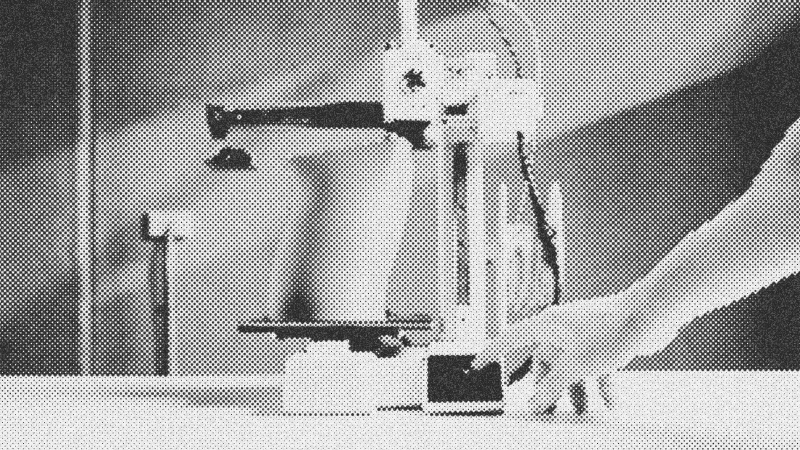
I tried the ultimate budget 3D printer
Watchoptimum // 10:39
