Mayotte residents battle 80 percent poverty rate in France's forgotten department
The map suggests you are in France, but the reality on the ground tells a far more complex story. Dropping into Mayotte, an island territory nestled between Madagascar and the coast of East Africa, feels less like a European holiday and more like a high-stakes survival exercise. It is a place where the euro is the currency and the flag is the Tricolour, yet it sits 8,000 kilometers from Paris. For an explorer, this is the ultimate anomaly: a slice of the European Union anchored in the Indian Ocean, where the veneer of paradise is stretched thin over a landscape of systemic neglect and escalating volatility.
Upon arrival at the airport on the small island of Petite-Terre, the juxtaposition is jarring. Turquoise waters and lush tropical foliage mask a societal structure under immense pressure. The logistics alone are a lesson in humility; rental car websites fail, and the local tourism bureau sits shuttered. We moved through the heat, crossing by ferry to the main island, Grande-Terre, realizing that our standard travel protocols were useless here. We had entered during Ramadan, a time when 95% of the population fasts, effectively halting the typical rhythm of commerce. In the wilderness, timing is everything. Here, the timing offered a temporary reprieve from a darker reality.
Blood in the water and rocks on the road
The local security situation is not a matter of debate; it is a daily tactical consideration. While the island is geographically stunning, it grapples with an unemployment rate of 30% and an 80% poverty rate. This economic desperation has birthed a unique and violent brand of insecurity. We met Jesse, a pharmacist who has lived on the island for seven months, and her assessment was blunt. She spoke of neighborhood gangs—often boys as young as 12—who engage in territorial warfare using machetes and knives.
Risk management in Mayotte requires a specific set of rules. If you encounter an obstacle on the road, you do not stop to investigate. You drive through it. Stopping makes you a target for "barrages," or makeshift roadblocks designed to trap vehicles for robbery or assault. The violence is often cyclical, swinging between months of calm and weeks of intense "match"—clashes between rival villages. These are not the warnings of a paranoid tourist; these are the survival parameters of the people who live here. The beauty of the landscape is a secondary concern when you are navigating a territory where even the police warn you that crime has no age limit.
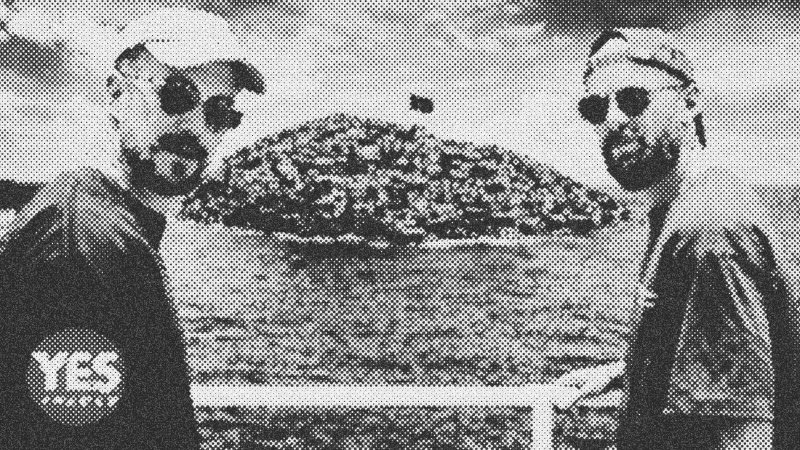
Matriarchal anchors in a sea of instability
Despite the pervasive threat of violence, we found a deep-seated cultural resilience rooted in the island’s Comoros heritage. In a fascinating departure from much of the surrounding region, Mayotte maintains a heavily matriarchal social structure. Property and homes are passed down through women, and men typically move into the households of their wives' families. This provides a level of social stability that the French government’s infrastructure fails to match. The women—mothers and grandmothers—are the true anchors of the household, making the critical decisions that keep families together amidst the chaos.
We were invited by a local named Jean to participate in a Futari, the communal meal shared to break the daily fast. Here, the tension of the streets dissolved into the steam of grilled meats and the laughter of a multi-generational gathering. We met Jean's father, Simon Bebe, a legendary musician who led the island's first electric guitar band. His concern wasn't just security, but the preservation of Mahoran identity. He fears that as society modernizes and becomes more individualistic, the communal spirit that defines the island will evaporate. In his eyes, the music and the shared meals are the only things preventing Mayotte from losing its soul to the mounting pressures of migration and poverty.
The high cost of remaining French
The political reality of Mayotte is perhaps the greatest paradox of all. In 1974, when the rest of the Comoros archipelago voted for independence, Mayotte chose to remain with France. This decision has made it a magnet for undocumented immigrants seeking the perceived safety of European Union citizenship. However, this has also created a legal gray area for thousands of children born to undocumented parents, who find themselves unable to access healthcare or education, further fueling the cycle of crime.
As the sun set on our second day, the atmosphere shifted instantly. The hospitality of the Futari was replaced by the urgent warnings of locals: "You need to hit the road now." The transition from communal celebration to survival mode is instantaneous. Mayotte is a place of profound beauty and equally profound pain. It is a reminder that being part of a first-world nation on paper does not guarantee first-world security. The lesson is clear: the wilderness of human conflict is just as unforgiving as any remote ecosystem, and respect for local knowledge is the only currency that truly matters.
- Mayotte
- 27%· places
- Comoros
- 8%· places
- European Union
- 8%· organizations
- Futari
- 8%· events
- Jean
- 8%· people
- Other topics
- 42%
50 Hours on Europe's Most Dangerous Island
WatchYes Theory // 31:24

We believe that life's greatest moments and deepest connections exist outside your comfort zone. Brand Partnerships: [email protected] Fan Emails: [email protected] Seek Discomfort: https://www.seekdiscomfort.com