The Tapestry of Us: Understanding Shared Fate and Racial Healing Through Ubuntu
In a discourse delivered in January 2025, LaJune Montgomery Tabron, President and CEO of the W.K. Kellogg Foundation, elucidates the profound concept of shared fate and the critical need for racial healing in contemporary society. Drawing from her book, How We Heal, Tabron navigates the intricate pathways to repairing divisions, advocating for empathy, honest dialogue, and the recognition of interconnectedness as fundamental to building a more equitable future. Her reflections, deeply rooted in the principle of Ubuntu—"I am because you are"—echo the timeless wisdom of cultural interdependence and the collective responsibility for societal well-being. This exploration into racial healing invites us to consider the transformative power of understanding and embracing our shared humanity.
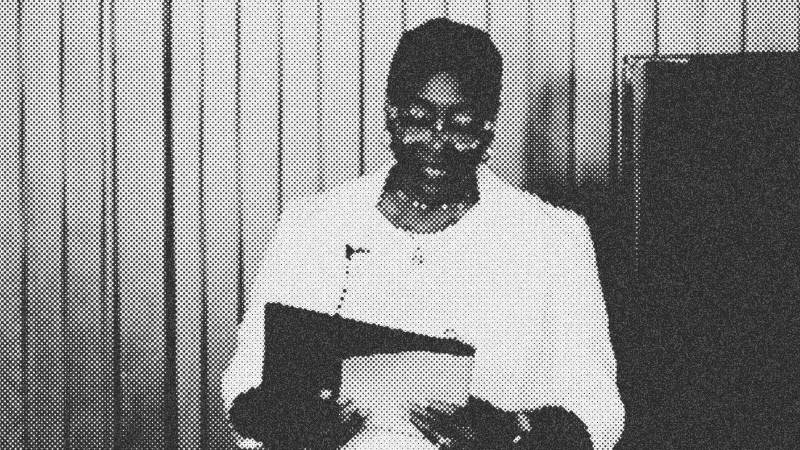
The Courage to Confront: Unveiling Unexamined Beliefs
Tabron underscores that embarking on the journey of racial healing requires courage. It demands a willingness to confront and communicate painful truths about our society and our own deeply ingrained, often unexamined, beliefs. This introspective process, though challenging, is essential for dismantling the systems that perpetuate inequality. As circle members realize, racial healing is not merely an individual endeavor but a collective one, binding participants in a shared fate.
Echoes of the Past: Dr. King's Vision of Interconnectedness
Drawing parallels with Dr. Martin Luther King Jr.'s concept of shared destiny, articulated from his jail cell in Birmingham, Alabama, in 1963, Tabron emphasizes the inescapable network of mutuality that binds us together. King's assertion that we are "tied in a single garment of destiny" resonates deeply with the ideals of racial healing, reminding us that our fates are intertwined. Ignoring this interconnection diminishes us all, while embracing our shared humanity allows us to build better futures for generations to come.
Lessons from the Pandemic: Interdependence in Action
The COVID-19 pandemic starkly illustrated the reality of our shared fate. Even as many sheltered in their homes, society relied on essential workers—doctors, nurses, grocery store employees, and first responders—to maintain safety and well-being. The pandemic also highlighted the critical role of care work, particularly childcare, in the functioning of the economy. This collective experience underscored the interdependence of our society and the necessity of building an economy that works for all working families.
Dismantling Systems: The Possibility of Change
Addressing the skepticism surrounding racial healing, Tabron confronts the cynical retort that racism is an insurmountable force. She argues that racism, as a system created and perpetuated by people, can be dismantled by people, too. The stories and accounts from communities everywhere demonstrate the transformative potential of healing, offering hope for a future free from the constraints of systemic inequality.
A Child's Perspective: The Essence of Leadership
Reflecting on a poignant moment when a young girl drew her as a Black leader, Tabron realizes the profound impact of her work on the younger generation. This simple act reveals that leadership, at its core, is about having heart and working towards something worthwhile. The children are watching us, Tabron asserts, judging us based on our efforts to realize the best version of our shared fate. Their fresh eyes and minds offer optimism and a new way of being in community, unburdened by the limitations of America's history and ideology of racial inequality.
The Path to Repair: Empathy and Action
In conclusion, Tabron calls for honest, ongoing conversation as the starting point for building a better world. This conversation must be grounded in hard truths, mutual understanding, mutual respect, and mutual recognition. The path to repair and transformation, she asserts, runs through empathy and action. By embracing our shared humanity and working together, we can create a future where all children have the opportunity to thrive.
- Alabama
- 6%· locations
- Battle Creek
- 6%· locations
- Birmingham
- 6%· locations
- Boston
- 6%· locations
- Bronson Healthcare Group
- 6%· organizations
- Other topics
- 72%
Ubuntu: The Work of Racial Healing | LaJune Montgomery Tabron | TEDxBoston
WatchTEDx Talks // 10:37

TEDx is an international community that organizes TED-style events anywhere and everywhere -- celebrating locally-driven ideas and elevating them to a global stage. TEDx events are produced independently of TED conferences, each event curates speakers on their own, but based on TED's format and rules. For more information on using TED for commercial purposes (e.g. employee learning, in a film or online course), please submit a Media Request here: https://media-requests.ted.com.