Akshat Goenka: Moonfire's 4 million-entity database redefines venture capital's future
The Shift from Traditional Banking to High-Octane Entrepreneurship
Akshat Goenka, now a Partner at Moonfire, didn't find his calling in the structured, process-driven corridors of JP Morgan. Despite the intellectual caliber of his peers, he quickly realized that a career in banking offered minimal room for personal input or disruptive change. This realization acted as a catalyst, pushing him toward the volatile but rewarding world of startups. At just 22, he launched a telemedicine platform, DocTalk, which eventually secured a spot at Y Combinator. This transition highlights a critical theme in modern business: the shift from being a cog in a massive financial machine to becoming the architect of a new solution. The drive to question broken processes and find scalable improvements is what separates the modern entrepreneur from the traditional corporate executive.
The Y Combinator Crucible and the Art of Intellectual Honesty
The journey through Y Combinator is often described as a boot camp, but for Goenka, it was a fundamental recalibration of how to think about a business. The application process itself is a tool for strategic clarity. It forces founders to confront the "nth degree of why" behind every decision. Many founders fall into the trap of chasing vanity metrics or following industry trends without understanding the underlying mechanics of their own business. The YC framework demands a level of intellectual honesty that often leads to necessary pivots. In the case of DocTalk, this meant evolving from a B2C marketplace to a B2B2C model after a deep dive into the specific power dynamics and incentives of the Indian healthcare ecosystem. Success at this stage isn't just about doing things right; it's about avoiding the distractions that lead to failure, specifically focusing on product and growth above all else.
Moonfire and the Quantified Venture Capital Model
At Moonfire, the investment philosophy centers on the belief that venture capital is ripe for a data-driven overhaul. While traditional firms rely heavily on gut feel and network serendipity, Moonfire utilizes software, data, and machine learning to accelerate the entire lifecycle. This isn't just about sourcing; it's about filtering millions of entities to find the most promising opportunities. The firm tracks over 4 million entities globally, using semantic search and analysis to prioritize the top 200-250 companies every week for human review. This "human augmentation" allows investors to move away from repetitive manual tasks and focus on high-quality decision-making. By automating the workflows that typically consume a VC's time, the team can spend more energy meeting founders and helping their portfolio companies scale. It’s a visionary approach that treats the venture firm itself like a tech startup, complete with internal product management roles and engineering sprints.
Navigating the Challenges of Emerging Markets
Building a tech company in a market like India presents unique infrastructure and cultural challenges. When DocTalk was in its growth phase, the digital economy was performing despite a lack of pervasive broadband or API-friendly infrastructure. Founders had to navigate an environment where basic digital tools were still becoming mainstream. This reality forced a higher level of resilience and creative problem-solving. Goenka notes that in these environments, cultural aversion to new technology in core services like healthcare and education can be a significant barrier. Understanding the specific "why now" for a market is crucial. Without a clear perspective on timing and the readiness of the ecosystem, even a well-funded, YC-backed company can hit an insurmountable roadblock. The lesson for global entrepreneurs is clear: local context and infrastructure readiness are just as important as the product itself.
The Human Element in a Machine-Driven Future
As capital allocation becomes more data-reliant, a philosophical question arises: can machines eventually replace the human investor? Goenka and his peers suggest that while data can significantly improve selection and speed, the
- DocTalk
- 11%· companies
- Moonfire
- 11%· companies
- Y Combinator
- 11%· companies
- Akshat Goenka
- 5%· people
- Alex Ferguson
- 5%· people
- Other topics
- 58%
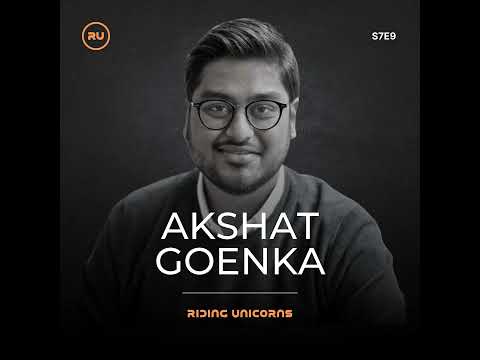
Akshat Goenka, Partner @ Moonfire
WatchThe Riding Unicorns Podcast // 51:55

A podcast featuring the world's best minds from venture and startups. Hosted by James Pringle & Hector Mason.