The Maidan Fault Line: Mapping Ukraine’s Decade of Resistance
The 2014 Genesis of Contemporary Conflict
While global attention often fixates on the 2022 invasion, the geopolitical reality is that Ukraine has been in a state of war since 2014. The epicenter of this seismic shift was Maidan Square, a site that transformed from a civic space into a battleground for national identity. This wasn't merely a localized protest; it was a definitive rejection of a corrupt past in favor of a European future.
The Yanukovych Pivot and the Cost of Corruption
Former President Viktor Yanukovych operated a regime defined by systemic kleptocracy, with estimates suggesting he drained $70 billion from the state. His attempt to balance Russia and the European Union collapsed in November 2013. When he abruptly refused to sign a long-awaited association deal with Europe—despite parliamentary support—he ignited a firestorm. The public recognized this as a betrayal of their sovereignty and economic prospects.
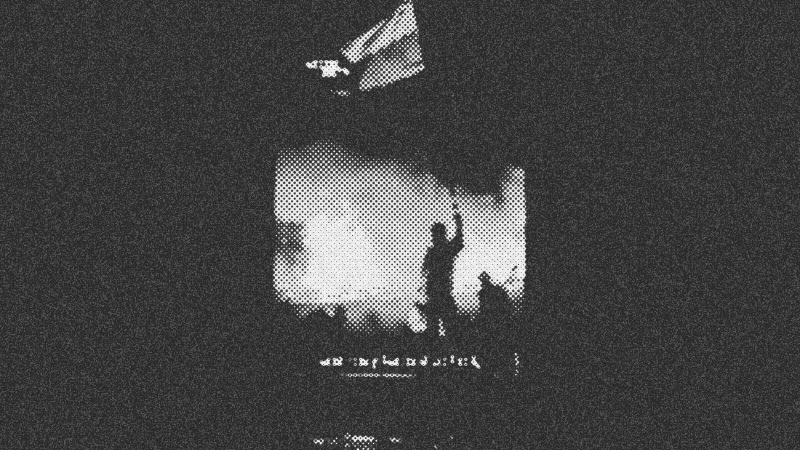
State Violence and the Heavenly Hundred
The government response to the ensuing protests shifted from suppression to lethal force. Snipers positioned in buildings surrounding the square targeted civilians, leading to the massacre of the Heavenly Hundred. Rather than quelling the dissent, this state-sponsored violence galvanized the movement. Yanukovych fled, leaving a leadership vacuum that altered the course of modern history.
The Kremlin’s Opportunistic Land Grab
Vladimir Putin viewed the post-Maidan instability not as a democratic transition, but as a moment of exploitable weakness. Seeking to maintain the former Soviet sphere of influence, he moved swiftly to annex Crimea. This breach of international law met with a tepid global response, a failure of diplomacy that arguably emboldened further aggression. For Ukraine, this was the true commencement of a struggle for survival that continues today.
- Crimea
- 13%· places
- European Union
- 13%· organizations
- Heavenly Hundred
- 13%· people
- Maidan Square
- 13%· places
- Russia
- 13%· places
- Other topics
- 38%
“This war started in 2014…” — Alastair explains why.
WatchThe Rest Is Politics // 2:53

Two men who’ve been at the heart of the political world - former Downing Street Director of Communications and Strategy Alastair Campbell and cabinet minister Rory Stewart - join forces from across the political divide. The Rest Is Politics lifts the lid on the secrets of Westminster, offering an insider’s view on politics at home and abroad, while bringing back the lost art of disagreeing agreeably. Powered by Fuse Energy ⚡