The Soul of the Sidewalk: A Masterclass in Chinese Street Food
The Hidden Language of Chinese Street Gastronomy
For too long, the culinary treasures of China remained obscured by language barriers and digital isolation. Yet, beneath the surface lies a street food culture that serves as the bedrock of global technique. Exploring this landscape requires a shift in perspective; one must value the humble cart as much as the Michelin-starred kitchen. The sheer diversity found across Xi'an, Chengdu, Shanghai, and Chongqing reveals that Chinese food is not a monolith but a vibrant collection of regional masterworks defined by ancient grain handling and precise heat management.
Xi'an: The Cradle of Grain and Dough
In Xi'an, the history of the noodle is not just a fact; it is a living, breathing technique. The Bao culture here defies Western expectations, particularly the eggplant variety which mimics the rich, unctuous mouthfeel of animal fat through perfect seasoning and slow-rendered textures. This city excels in the art of the savory breakfast. The Jidan youtiao, a freshly fried cruller stuffed with egg, achieves a hydration level reminiscent of a fine ciabatta while maintaining the exterior snap of a donut.
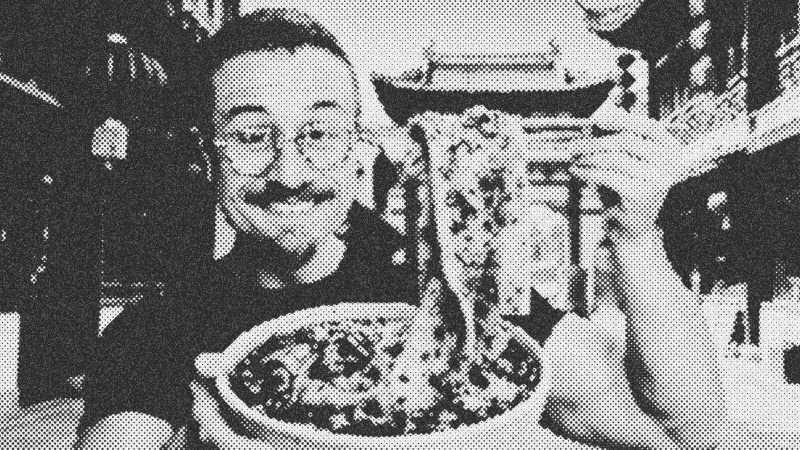
Even more impressive are the Biang Biang noodles. These are not merely pasta; they are architectural feats. The wide, hand-torn ribbons provide a massive surface area for Chili oil and braised pork juices to cling to. When executed correctly, the balance of acidity from tomato and the deep heat of the pepper creates a sauce dispersion that puts most high-end restaurants to shame. It is a testament to the idea that complex flavor profiles do not require a white tablecloth.
The Numbing Sophistication of Sichuan Spice
Moving into Chengdu, the narrative shifts toward the Sichuan peppercorn. This ingredient is often misunderstood as pure heat, but its true value lies in its ability to provide a tingling, numbing sensation that opens the palate to other flavors. The Tian Shui Mian, or sweet water noodles, exemplify this. These thick, hand-pulled strands—nearly the diameter of a finger—carry a roasty, sweet, and spicy profile that hits all five tastes simultaneously.
Furthermore, the Guokui from legendary vendors like Grandma Yen showcases incredible pastry work. These baked pancakes, stuffed with beef or even starch jelly, offer a textural contrast that challenges the most skilled pâtissiers. The jelly filling, which many outsiders might dismiss, provides a soft, noodle-like interior that absorbs the vibrant Chili oil, proving that starch-on-starch can be a revelation when handled with respect.
Shanghai and Chongqing: From Delicate Seams to Blazing Woks
Shanghai brings a level of precision that feels almost surgical. The Shengjian bao is a masterclass in dual-texture cooking. By pan-searing raw buns in a cast-iron vessel with water and steam, chefs create a bottom that is crisp and bready while the top remains a delicate, steamed dumpling skin. This method traps a rich meatball and its internal soup, requiring the diner to engage with the food carefully.
Finally, the journey concludes in the "cyberpunk" atmosphere of Chongqing, where the wok becomes an extension of the chef's spirit. The fried rice here is not just a side dish; it is a high-heat performance. Using Twice-cooked pork, vendors create a bowl where every grain of rice is an individual, chewy bead of flavor. The inclusion of flamethrowers for meat skewers might seem like theatre, but the resulting char and rendered fat are undeniably effective.
Final Verdict: The Ultimate Culinary Pilgrimage
This exploration confirms that the most profound culinary lessons often happen on a street corner for less than three dollars. The technical proficiency required to balance the heavy oils of Chongqing with the delicate ferments of Shanghai is staggering. For any serious student of the culinary arts, China is not just a travel destination; it is an essential education. The respect for ingredients and the mastery of simple tools like the wok and the rolling pin remind us that great food is born of heritage and technique, not high-priced equipment.
I Tried China’s Best Street Food
WatchJoshua Weissman // 23:03

Hi, I'm Josh and I make entertaining, exciting, and inspirational videos about food and cooking. I'm obsessive about bread, and I like to eat things that have a large quantity of butter in them. All I want is to entertain and excite YOU about food, and maybe inspire you to go cook something yourself. Find me on: https://instagram.com/joshuaweissman https://twitter.com/therealweissman https://facebook.com/thejoshuaweissman https://joshuaweissman.com For any Business, brand or partnership enquiries Email: [email protected]