Weissman scores a nine with fried chicken at Alchemist
The Audit of a Global Culinary Powerhouse
When we step into a kitchen of the caliber of Alchemist, we aren't just looking at a restaurant; we are entering a cathedral of sensory manipulation. Joshua Weissman understood this gravity when he sought out Rasmus Munk. To cook for the man recently crowned the world’s best chef is to submit your ego to a gauntlet. The challenge isn't merely about flavor; it is about proving one can vibrate on the same frequency as a 50-course menu that merges technology, art, and ethics. It requires a profound respect for the ingredient and an even deeper understanding of the person eating it.
The Philosophy of the Immersive Plate
Rasmus Munk doesn't just serve food; he serves perspectives. From a cocktail that acts as a sensory "brain wipe" to edible butterflies and mealworms presented as social commentary, the core principle here is cognitive dissonance turned into gastronomy. Joshua Weissman correctly identified the recurring themes that anchor this otherworldly experience: heavy fermentation, deep Asian influences like Thai basil and Kashmiri chili, and a relentless pursuit of the "craveable." Even at the highest level of fine dining, the most successful dishes are those that trigger a primal, visceral reaction of wanting another bite.
Actionable Steps for Technical Mastery
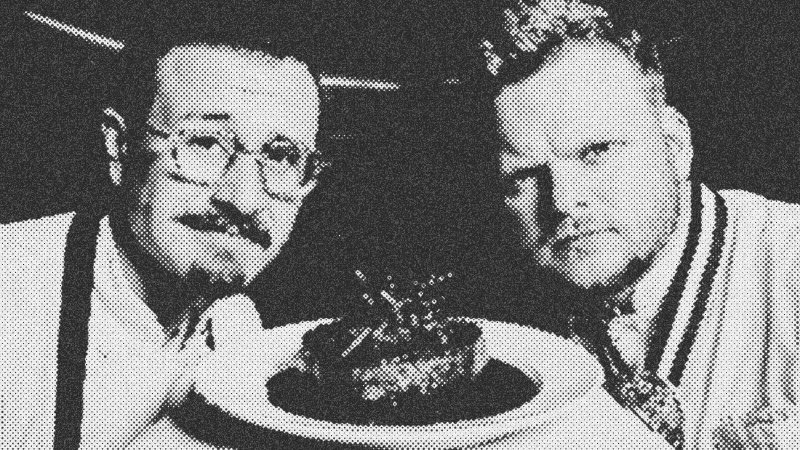
If you want to test your mettle, you start by mimicking the masters. Joshua Weissman underwent three technical trials before presenting his own dish. First, he focused on precision cutting and eyeballing seasoning for a beef tartare. Second, he tackled the structural integrity of the "Burnout Chicken," where the slightest tear in the skin during the deboning of the foot results in immediate failure. Finally, he attempted the "Perfect Omelette," a feat of molecular delicacy where egg yolk skins are filled with a precise amount of Comte cheese espuma. Each step demands an absence of tremor and a total focus on the physical properties of the food.
The High-Low Mindset Shift
There is a hidden truth in the culinary world: after a day of manipulating textures and chasing perfection, even a master like Rasmus Munk craves soul. Joshua Weissman made a strategic pivot from the ultra-technical to the deceptively simple. By applying high-end techniques—Japanese katsu breading, Gochujang glazes, and caramelized green onion mayo—to a fried chicken sandwich, he bridged the gap between the laboratory and the street. He didn't try to out-tech the world's best; he tried to out-comfort him.
Concluding Empowerment
Earning a nine out of ten from Rasmus Munk validates a critical lesson for every cook: technique is a tool, but intention is the heart. Whether you are painting walls with edible pigment or frying a chicken breast in your home kitchen, the goal remains the same. Respect the plate, understand your audience, and never be afraid to serve something simple with absolute conviction.
- Joshua Weissman
- 27%· people
- Rasmus Munk
- 27%· people
- Alchemist
- 7%· companies
- Comte
- 7%· products
- Gochujang
- 7%· products
- Other topics
- 27%
I Cooked For The World’s Best Chef
WatchJoshua Weissman // 19:06

Hi, I'm Josh and I make entertaining, exciting, and inspirational videos about food and cooking. I'm obsessive about bread, and I like to eat things that have a large quantity of butter in them. All I want is to entertain and excite YOU about food, and maybe inspire you to go cook something yourself. Find me on: https://instagram.com/joshuaweissman https://twitter.com/therealweissman https://facebook.com/thejoshuaweissman https://joshuaweissman.com For any Business, brand or partnership enquiries Email: [email protected]