The Way of the Jet: Combat, Community, and the Power of Forgiveness
Navigating the Front Lines of Combat and Character
When we look at the polished spectacle of modern mixed martial arts, it is easy to forget the raw, unrefined era that preceded the million-dollar sponsorships and global broadcasts. Long before the octagon became a staple of digital culture, men like Benny The Jet Urquidez and William Blinky Rodriguez were operating in a wilderness of experimental violence. They weren't just fighters; they were pioneers mapping the boundaries of human endurance and technical innovation. The challenge they faced wasn't just physical survival in the ring—it was the task of defining a code of conduct in a sport that had none.
Benny The Jet Urquidez emerged during a period where styles were rigid and isolated. Karate, Taekwondo, and Judo existed in separate silos, each claiming superiority without ever truly testing those claims against one another. Benny The Jet Urquidez shattered that isolation by engaging in "full contact" matches that often lacked weight divisions or consistent rules. This was a time of "David and Goliath" encounters where a 145-pound man might find himself across from a 240-pound heavyweight. The framing of this challenge is essential: it was about the purity of the test. To step into the ring during the 1970s was to volunteer for a high-level problem-solving exercise where the penalty for failure was severe physical trauma.
The Technical Evolution and the Birth of the Shin Guard
Innovation often stems from necessity, and the story of the first shin guards is a masterclass in grassroots engineering. When Benny The Jet Urquidez first encountered Muay Thai fighters at the Olympic Auditorium, he didn't even know what the term meant—he thought he was fighting a man named "Thai." The rude awakening came in the form of leg kicks that targeted the nerves and bone of the lower limb, a tactic largely ignored in American karate at the time.
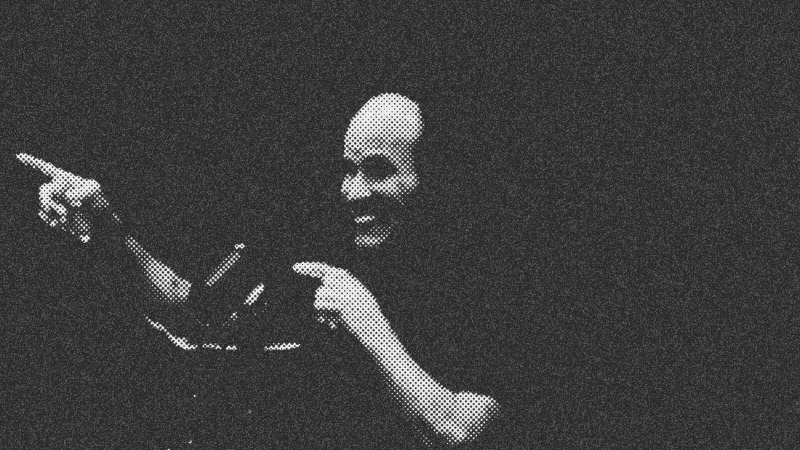
Refusing to be crippled by this new variable, Benny The Jet Urquidez sought out a leather worker and shoemaker to create a protective barrier. By combining raw padding with the then-novel technology of Velcro, the modern shin guards was born. This wasn't just about safety; it was about longevity. The insight here is profound: a warrior must adapt or perish. The Thailand fighters were numbing their shins with lidocaine and kicking banana trees to kill nerve endings, but Benny The Jet Urquidez looked toward a solution that preserved the body’s integrity.
This technical evolution extended to the calf kick, a weapon that is currently revolutionizing the UFC. While modern commentators treat it as a new discovery, William Blinky Rodriguez and Benny The Jet Urquidez were using it decades ago to immobilize "dancers" in the ring. If you can't lean on your front leg, you can't throw a power punch. This principle—taking away an opponent's foundation—remains the bedrock of effective combat strategy.
The Jet Center: A Sanctuary for Transformation
Beyond the techniques of the sweep and the spinning back kick lies the philosophy of the Jet Center. Founded by Benny The Jet Urquidez and William Blinky Rodriguez in Los Angeles, this gym became more than a training ground for champions; it became a laboratory for human potential. In the mid-90s, the gym was a unique melting pot where high-powered attorneys, professional athletes, and active gang members all sparred under the same roof.
The core insight of the Jet Center was the "Mirroring of Truth." Combat has a way of stripping away the masks we wear in polite society. You can lie to your boss or your family, but you cannot lie to a person trying to punch you in the face. When a student is threatened in the ring, their deepest fears, angers, and insecurities rise to the surface. The Jet Center used this heightened state of emotion to "reprogram" individuals. By creating a safe haven where these truths could be confronted, they helped people transition from false bravado to genuine, silent confidence.
Actionable Practices for Developing a Warrior Mindset
To adopt the mindset of these pioneers, one must practice specific disciplines that transcend the physical. First is the practice of Conditioning as King. Exhaustion makes cowards of us all. When the body fails, the spirit quickly follows. Therefore, physical fitness is not just about aesthetics; it is about maintaining the clarity of mind to make decisions under pressure.
Second is the Code of Honor (Bushido). In an era of trash-talking and social media posturing, the traditional martial arts code offers a stabilizing alternative. The practice of bowing, of respecting the opponent, and of letting your "words be spoken with your weapons" builds a character that is grounded and reliable. This discipline teaches you that the real battle is never with the person across from you—it is with your own desire to quit, your own arrogance, and your own fear.
Third is the Analysis of Defense. Benny The Jet Urquidez argues that a great defensive fighter is always a better investment than a pure striker. Learning to slip, move, and neutralize an attack is harder than learning to throw a punch, but it is the mark of a master. In life, this translates to resilience: the ability to absorb the "hits" of misfortune without losing your stance.
The Divine Paradox: Forgiveness as the Ultimate Strike
The most challenging part of the warrior's journey isn't the fight—it's the aftermath. William Blinky Rodriguez shares a narrative that redefines the concept of strength. After losing his son to a senseless act of gang violence, William Blinky Rodriguez didn't seek a physical retribution that his skills certainly would have allowed. Instead, he sought a "peace treaty" that stopped the cycle of violence in the San Fernando Valley.
Decades later, William Blinky Rodriguez faced the ultimate test: meeting the man who murdered his son in a prison chapel. The mindset shift required here is staggering. William Blinky Rodriguez describes forgiveness as a power more lethal and effective than his famous left hook. While a punch can stop an opponent, only forgiveness can reconcile a spirit and remove the "heavy yoke" from a man's neck. He argues that forgiveness is divine, requiring a level of humility that many fighters never achieve. This isn't weakness; it is the highest form of combat—defeating the ego to save a life.
Concluding Empowerment: Doodling the Future
Even in their later years, the fire of curiosity hasn't dimmed. Benny The Jet Urquidez is once again "doodling" on paper, designing a new type of facility that merges mental, physical, and spiritual endurance. He has developed equipment and machines designed to take human performance to levels previously unreached, emphasizing that 80% of the fight is mental and 99.9% is spiritual.
The lesson for us is that the journey of self-improvement never truly ends. Whether you are a pioneer like Benny The Jet Urquidez or someone just looking to improve their daily life, the principles remain the same: seek the truth, discipline the body, and never underestimate the power of a compassionate heart. The world may be full of chaos and "car crashes," but with the right training and the right code, you can find the center of the storm and remain standing.
- Benny The Jet Urquidez
- 28%· people
- William Blinky Rodriguez
- 18%· people
- Jet Center
- 8%· places
- shin guards
- 5%· products
- Alex Garcia
- 3%· people
- Other topics
- 38%
JRE MMA Show #173 with Benny "The Jet" Urquidez & William "Blinky" Rodriguez
WatchPowerfulJRE // 1:59:19
