Targeted pacing cuts nearly four minutes off ride times
Science of targeted pacing strategies
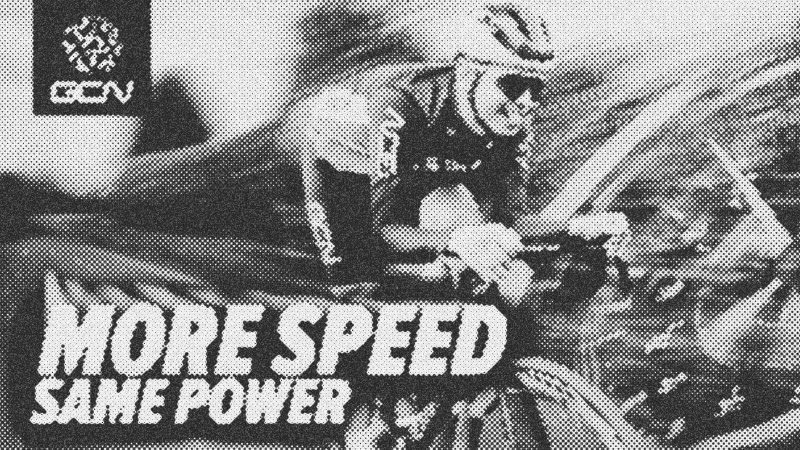
Most riders treat their physical output like an on-off switch, but the trail demands a more nuanced approach. Traditional wisdom suggests smooth, linear effort is the most efficient way to cross the finish line. However, real-world testing proves that Targeted Pacing beats consistent power every time. By dumping massive efforts into steep gradients and backing off during descents, you maximize speed where gravity works against you. In a 28 km test, this aggressive strategy was 3 minutes and 49 seconds faster than a steady-state effort, despite both rides maintaining the same average power.
Essential gear for the technical rider
To execute this effectively, you need more than just grit. You need data to guide your struggle against the elements.
- Power Meter: This is your primary metric for ensuring your "bursts" don't lead to a total bonk.
- GPS Head Unit: Essential for tracking live segments and terrain changes.
- Targeted Software: Programs like Best Bike Split help calculate exactly where to burn your matches based on wind and elevation.
Step-by-step guide to attacking the course
- Analyze the terrain: Identify the steepest climbs. This is where your effort yields the highest speed return.
- Attack the gradients: Ride near your maximum limit for the duration of individual climbs. Force your body to adapt to the intensity.
- Recover on the descents: Don't pedal harder when gravity is already doing the work. Use these sections to flush lactate and lower your heart rate.
- Carry cornering momentum: Enter corners slow and exit fast. Shift gears before the turn to ensure you can accelerate immediately on the exit.
Tips for technical mastery
Drafting remains the ultimate energy saver. Tucking behind another rider can reduce your effort by up to 40% while maintaining the same speed. Use these saved reserves to hammer the next vertical section. If your tech fails, rely on the "dimmer switch" feel—don't just ride hard or easy; find the specific intensity each meter of trail requires.
Expected outcomes and benefits
Adopting this rugged approach transforms your performance from a slow grind into a tactical assault. You will find that average speed matters more than a pretty power graph. Expect faster personal bests, less overall fatigue on undulating routes, and the mental toughness that comes from knowing exactly when to push your limits.
- Best Bike Split
- 20%· products
- Drafting
- 20%· outdoor sports
- Global Cycling Network
- 20%· organizations
- Power Meter
- 20%· products
- Targeted Pacing
- 20%· outdoor sports
How Pros Ride Faster For The Same Power - And You Can Too
WatchGlobal Cycling Network // 8:11

The Global Cycling Network puts you in the centre of the action: from the iconic climbs of Alpe D’Huez and Mont Ventoux to the cobbles of Flanders, everywhere there is road or pavé, world-class racing and pro riders, we will be there bringing you action, analysis and unparalleled access every week, every month, and every year. We show you how to be a better cyclist with our bike maintenance videos, tips for improving your cycling, cycling top tens, and not forgetting the weekly GCN Show. Join us on YouTube’s biggest and best cycling channel to get closer to the action and improve your riding! Welcome to the Global Cycling Network!