Ollie Bridgewood gains 6kg of muscle to drive cycling power
Heavy lifting drives endurance gains
Victory isn't just about how long you can pedal; it is about the explosive power you can command when the race hits its breaking point. Many cyclists fear that mass equals misery on the climbs, but the data proves otherwise. By integrating a disciplined strength program, you can improve cycling economy and delay the onset of fatigue. This guide breaks down the six-month protocol used by Ollie Bridgewood of the Global Cycling Network to transform his physical capacity through heavy resistance training.
Tools for the training phase
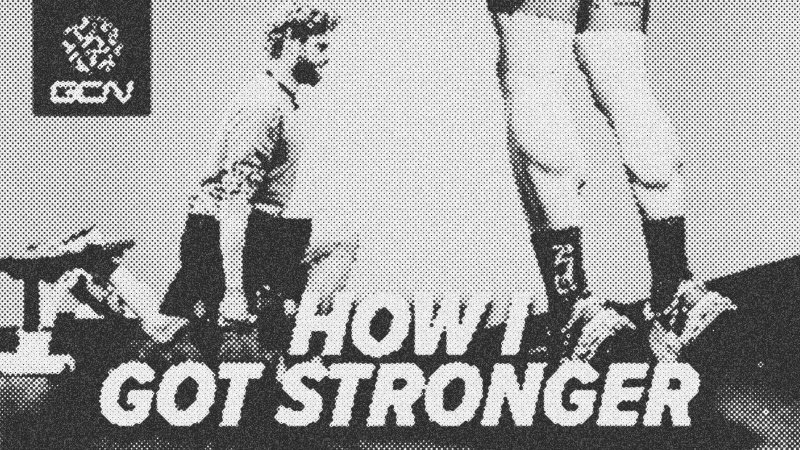
To execute this plan, you need access to standard gym equipment and a commitment to data tracking. Consistency is your most valuable asset. Use Training Peaks or a similar diary to log every rep and set. You will specifically need:
- A barbell and plate set for compound movements
- Dumbbells for unilateral work
- A leg press machine and calf raise block
- High-quality protein sources and a focus on sleep for recovery
Step-by-step strength integration
- Phase the workload: Start with three gym sessions per week while reducing your cycling volume to avoid overtraining. As your on-bike intensity increases toward race day, taper to one maintenance session per week.
- Prioritize compound leg movements: Focus on the Squat and its variations. If mobility is an issue, utilize heel-elevated or goblet styles to engage the quads effectively.
- Execute unilateral exercises: Cyclists move one leg at a time. Incorporate Bulgarian Split Squats and single-leg presses to build stability and power that translates directly to the pedal stroke.
- Build the posterior chain: Use Romanian Deadlifts (RDLs) to stretch and strengthen the hamstrings and glutes. These are the engines of your endurance.
- Don't ignore the upper body: Perform pull-ups, bench presses, and overhead presses. A strong chassis supports the power generated by the legs and improves overall human function.
- Apply incremental progression: Aim for 10 reps. Once you can hit 12 reps with perfect form, increase the weight and drop back to 8 reps. Build back to 12. Repeat.
Tips for recovery and troubleshooting
Expect "Delayed Onset Muscle Soreness" (DOMS) to peak 48 hours after a heavy session. Never schedule a high-intensity interval ride on these days; stick to Zone 2 steady-state riding to keep the blood flowing without compromising quality. If your legs feel heavy during a group ride, park your ego and trust the process. The gains will manifest once you shift into your maintenance phase.
Expected outcomes
By following this structured approach, you can expect a significant increase in sprint power and better durability over long distances. Bridgewood's results—moving from a 30kg squat to bodyweight repetitions—show that even modest gym gains translate to becoming a more formidable athlete on the road.
- Bent Ronstad
- 14%· people
- Bulgarian Split Squats
- 14%· products
- DEXA scan
- 14%· products
- Global Cycling Network
- 14%· companies
- Ollie Bridgewood
- 14%· people
- Other topics
- 29%
How I Have Been Training In The Gym To Gain Muscle
WatchGlobal Cycling Network // 16:07

The Global Cycling Network puts you in the centre of the action: from the iconic climbs of Alpe D’Huez and Mont Ventoux to the cobbles of Flanders, everywhere there is road or pavé, world-class racing and pro riders, we will be there bringing you action, analysis and unparalleled access every week, every month, and every year. We show you how to be a better cyclist with our bike maintenance videos, tips for improving your cycling, cycling top tens, and not forgetting the weekly GCN Show. Join us on YouTube’s biggest and best cycling channel to get closer to the action and improve your riding! Welcome to the Global Cycling Network!