The Culinary Archaeology of Beef Bourguignon: A Definitive Guide to Layered Flavor
The humble stew, a staple across ancient cultures, speaks volumes about resilience and the ingenious use of resources. Beef Bourguignon, a dish now synonymous with French culinary artistry, began its journey in much the same vein, evolving from a peasant's sustenance to a global icon. This guide reconstructs its foundational techniques, enabling you to master a dish that exemplifies profound flavor development and the meticulous layering characteristic of classical cuisine. We will meticulously build deep caramelization, reduce wine with precision, treat vegetables with individual care, and finish the sauce with the finesse expected in a professional kitchen.
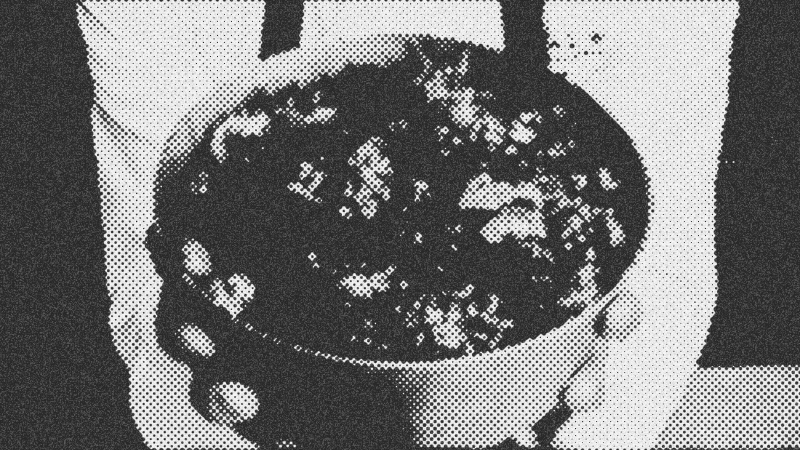
Essential Implements and Provisions
To embark on this culinary endeavor, assemble the following:
Provisions:
- 750 g Chuck, Off the Bone, Cubed
- 750 g Beef Shin
- 750 g Short Rib
- 1 Large Onion, Thickly Cut
- 300 g Pearl Onions, Peeled
- 4 Carrots, Thickly Cut
- 6 Garlic Cloves, Smashed
- 30 g Flour
- 20 g Tomato Purée
- 200 g Lardons
- 750 g Beef Stock
- 1 Bottle Full-Bodied Red Wine
- 5 g Thyme
- 5 g Parsley Stems
- 3 Bay Leaves
- 250 g Small Button Mushrooms, Stems Trimmed and Quartered
- 20 g Unsalted Butter
- Parsley, Finely Chopped (for garnish)
Implements:
- 1 Cartouche
- 2 Sauté Pans
- 1 Dutch Oven
- 1 Sieve
Methodical Preparation: Step by Step
Follow these precise steps to construct your Bourguignon:
- Prepare the Beef: On a tray, distribute flour and season it with salt. Lightly coat all the meat pieces, then tap off any surplus flour to ensure a thin, even layer.
- Sear the Meat: Introduce oil into a Dutch oven and heat it over medium heat. Brown the floured meat on all sides, working in small batches to prevent overcrowding. Once browned, remove the meat and set it aside.
- Steam the Aromatics: Add a small amount of additional oil to the Dutch oven. Incorporate the thickly cut large onion, carrots, and smashed garlic. Immediately remove the Dutch oven from the heat and secure the lid. This steams the vegetables gently. Mid-process, introduce the thyme, parsley stems, and bay leaves. Once the vegetables have softened, meticulously scrape all the caramelized brown fragments from the bottom of the pan. Remove the vegetables and set them aside.
- Reduce the Wine: Pour the entire bottle of red wine into the Dutch oven. Bring it to a simmer and reduce the liquid volume by 50%. This concentrates the wine's complex flavors.
- Assemble the Braise: Return the seared meat, steamed vegetables, and herbs to the Dutch oven. Submerge these components with the beef stock.
- Slow Braising: Return the Dutch oven to the heat and bring the mixture to a gentle simmer. Place a cartouche directly on the surface of the liquid, then secure the lid. Transfer the Dutch oven to a preheated 160°C oven for a duration of 4 to 6 hours. The meat requires extreme tenderness, practically falling apart, to signify completion.
- Cooling and Separation: Remove the Dutch oven from the oven and permit the meat to cool within its braising liquid. This enhances flavor absorption.
- Strain and Isolate: Strain the entire contents, separating the meat from the vegetables and liquid. Reserve the tender meat. Discard the spent carrots, large onion, garlic, and herb stems.
- Refine the Sauce: Return the reserved braising liquid to a clean pan. Gently reduce it over heat until it achieves a coating consistency. Skim any fat or impurities that rise to the surface.
- Sauté Mushrooms: In a sauté pan, melt unsalted butter and add the quartered button mushrooms. Cook them until they are fully tender. Set these aside.
- Render Lardons: In the same pan, cook the lardons until they are golden brown and crispy. Remove the crispy lardons for later use, retaining as much rendered fat in the pan as possible.
- Caramelize Pearl Onions: In the lardon-rendered pan, add the peeled pearl onions and a small amount of butter. Cook them until they are tender and exhibit a light golden hue on their exterior.
- Final Assembly: Once the sauce has reached its desired consistency, return the reserved braised meat, sautéed mushrooms, and caramelized pearl onions to the pan. Pour the reduced sauce over the components, ensuring even coating.
- Serving Suggestion: Serve this rich Bourguignon immediately, ideally alongside creamy mashed potatoes, which provide a perfect counterpoint to its profound flavors.
Refinements and Problem Solving
Achieving the ultimate Bourguignon involves careful attention to detail. For optimal caramelization of the beef, avoid overcrowding the Dutch oven; brown the meat in small batches to ensure a proper Maillard reaction rather than steaming. The reduction of wine is crucial; resist the urge to rush this step, allowing the alcohol to evaporate fully and the sugars to concentrate. If your final sauce appears too thin, a slight increase in reduction time will achieve the desired coating consistency. Should it become too thick, a touch of beef stock can rectify it. Remember, patience is the ultimate ingredient for this dish.
The Culmination: A Masterful Heritage
This meticulously prepared Beef Bourguignon transcends a mere recipe; it represents a tangible link to a profound culinary heritage. By embracing these layered techniques, you not only create an extraordinary meal but also participate in a tradition of flavor building passed down through generations. The result is a dish of unparalleled richness and depth, a testament to the wisdom embedded in classical cooking. It stands as a profound demonstration of how fundamental ingredients, treated with respect and technique, transform into something truly enduring. You have not just cooked; you have engaged with history on a plate.
- 1 Bottle Full Bodied Red Wine
- 3%· ingredient
- 1 Cartouche
- 3%· equipment
- 1 Dutch Oven
- 3%· equipment
- 1 Large Onion, Thickly Cut
- 3%· ingredient
- 1 Sieve
- 3%· equipment
- Other topics
- 83%
Beef Bourguignon Done Properly
WatchFallow // 10:03

We're Jack and Will & we run Fallow, Roe & FOWL restaurants in London. For enquiries, contact [email protected]