London chefs face the ultimate culinary test cooking for visiting sumo giants
The ancient bowl that fuels giants
When the historic Grand Sumo tournament made its rare journey outside of Japan to descend upon London, it brought more than just the gravity of a 1,500-year-old sport. It brought an immense culinary expectation. Tasked with feeding elite visiting wrestlers, a team of local chefs set out to recreate Chanko Nabe, the nutrient-dense, towering hot-pot stew that serves as both the literal and symbolic foundation of a wrestler’s daily life. This is no ordinary soup. It is a highly ritualized meal prepared in massive quantities, designed to sustain grueling three-hour morning training sessions while building the massive, powerful statures required in the ring.
Deciphering the broth at Eat Tokyo
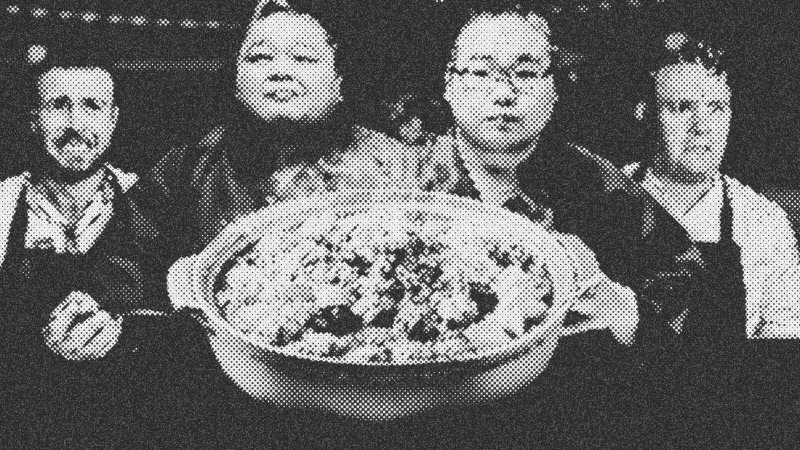
To understand the nuances of the dish, the culinary team sought guidance from the specialists at Japan Center and the head chef at Eat Tokyo, a local restaurant managing the tournament's catering. Here, they learned the strict, symbolic culinary rules that govern sumo tradition. For instance, chicken is the dominant protein during tournament weeks. Because a chicken stands on two legs, it represents a fighter staying upright on his feet. Conversely, consuming four-legged animals like pigs or cows during competition is considered a bad omen, mirroring the devastating moment a wrestler touches the ground with his hands or knees. The chef at Eat Tokyo emphasized that the broth must remain exceptionally clean and fresh, steering the team away from heavy, collagen-thickened stocks toward a light, clear, and fragrant profile.
Perfecting the dashi and emulsified chicken balls
Back in the kitchen of Fallow restaurant, the chefs began constructing the elements from scratch. Everything hinges on the dashi. By gently steeping kombu seaweed and katsuobushi (shaved dried tuna) without stirring, they kept the stock beautifully translucent. To create the critical chicken balls, they processed fatty chicken thigh and breast meat, emulsifying the mixture with spring onions, garlic, ginger juice, sesame oil, and cornstarch. Squeezing this shaggy paste into the poaching broth yielded tender, luxurious bites. To enhance the clean chicken base, they blanched ten whole chicken carcasses to remove impurities before simmering them with aromatics for over an hour, blending the resulting stock with the pristine dashi.
Introducing a controversial British twist
As the clock ticked down to the tasting, the chefs took a calculated risk. While respecting Japanese tradition, they decided to showcase local terroir by introducing premium British ingredients. Alongside napa cabbage, daikon radish, tofu, and enoki mushrooms, they layered in wild Scottish chanterelles, seasonal ceps, and dulse—a vibrant red kelp sourced from the British coastline. To round out the aromatics, they subtly adjusted the chicken meatballs with shallots for a deeper allium finish, seasoning the bubbling pot with sweet mirin and rich soy sauce.
The final verdict from the stable
Serving the towering hot pot to the massive, stone-faced athletes was a nerve-wracking climax. The wrestlers observed the beautiful arrangement of vegetables, tofu, and the unfamiliar British mushrooms. After a quiet, tense tasting, they offered their expert critique. While they appreciated the clean, golden dashi, the wrestlers noted with a smile that the soup tasted more like a light breakfast broth than the richer, heavier versions they consume daily in Japan, where pork fat is frequently utilized outside of tournament weeks. Ultimately, the hospitable giants invited the chefs to visit their home stables in Japan to experience the authentic preparation firsthand—a gracious conclusion to a monumental cross-cultural culinary exchange.
- Chanko Nabe
- 25%· products
- Eat Tokyo
- 25%· restaurants
- Fallow
- 25%· restaurants
- Japan Center
- 25%· companies
We Cooked For Sumo Wrestlers
WatchFallow // 21:49

We're Jack and Will & we run Fallow, Roe & FOWL restaurants in London. For enquiries, contact [email protected]