The Art of the Hand-Raised Pork Pie: A Masterclass in Hot Water Crust
The Foundation of Hot Water Crust
A truly exceptional Pork Pie begins not with the filling, but with the architectural integrity of the pastry. Unlike flaky shortcrust, we utilize a hot water crust method. By melting Lard into water and combining it with flour and egg while still warm, we develop a pastry that is uniquely malleable when hot and remarkably sturdy once cooled. This structural strength is what allows the pie to stand unsupported, a hallmark of professional British charcuterie.
Tools and Essential Materials
To execute this technique with precision, you require a Pork Pie Dolly (a wooden molding tool), a stand mixer for the initial dough integration, and a chilled workspace. For the filling, source high-quality minced pork and Pancetta to provide the necessary fat content and depth of flavor. Fresh herbs like sage and parsley are non-negotiable for an authentic aromatic profile.
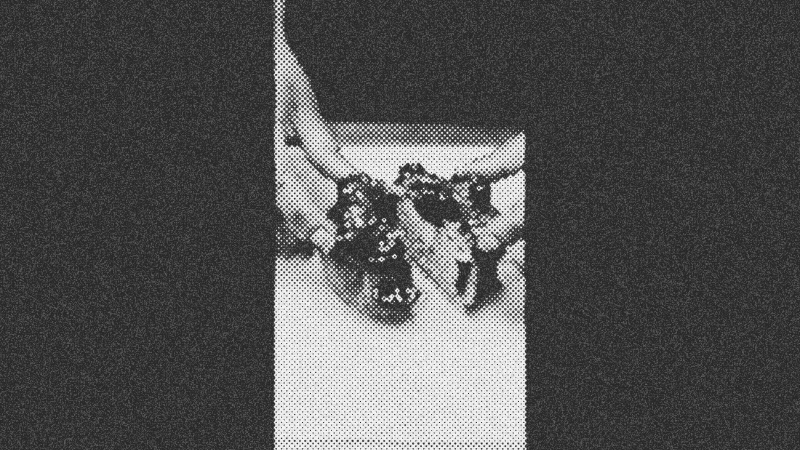
Hand-Raising and Molding Technique
After resting your dough in the fridge for at least one hour to stabilize the fats, divide it into portions. Flour your dolly thoroughly to prevent sticking. Press the tool into the center of your pastry ball, then use your fingers to pull the dough up the sides of the dolly, reaching a height of two to three inches. This hand-raising process requires a delicate touch to ensure the walls remain of uniform thickness. Once the dolly is removed, the hollow shell is ready to receive the seasoned pork mixture.
Sealing and the Final Finish
Apply a small amount of water to the pastry lip to act as an adhesive for the lid. Press the edges firmly to create a hermetic seal, then finish with decorative crimping or pinching. An egg wash is vital for that characteristic golden-brown sheen. Before baking, ensure a small steam hole is cut in the center. This vent is not just for air; it serves as the entry point for the savory jelly once the pie has cooled. Chilling the baked pie before adding the liquid jelly ensures a perfect, clear set that fills every internal cavity.
Troubleshooting the Perfect Set
Common pitfalls include pastry walls that are too thin, leading to structural collapse, or skipping the cooling phase before adding jelly. If the pie is too warm, the jelly will soak into the crust rather than forming the distinct protective layer seen in professional cross-sections. Patience is your most valuable ingredient.
- Lard
- 20%· products
- Nox's Pie
- 20%· companies
- Pancetta
- 20%· products
- Pork Pie
- 20%· products
- Pork Pie Dolly
- 20%· products
Pork Pie Like a Chef
WatchFallow // 1:16

We're Jack and Will & we run Fallow, Roe & FOWL restaurants in London. For enquiries, contact [email protected]