Thomas Keller philosophy transforms simple potato gnocchi into weightless Michelin art
The technical quest for the perfect potato
To achieve the ethereal lightness found at Per Se, the process begins with moisture management. The secret lies in using starchy potatoes like Maris Piper or Russets, roasted on a bed of salt to draw out every redundant drop of water. By pricking the skins and roasting at 180°C, you ensure the interior remains fluffy rather than gummy. Once cooked, work quickly; the starch must not set or be overworked, as this creates a gluey texture that ruins the delicate crumb.
Abandoning the knead for the chop
Traditional pasta techniques often emphasize gluten development, but Thomas Keller treats Gnocchi with a different philosophy. Instead of kneading, use a Bench scraper to "chop" the 00 flour and egg yolks into the riced potato. This folding and cutting motion incorporates ingredients without activating the elastic properties of the flour. The result is a dough that remains tender, tasting primarily of the potato rather than the binder.
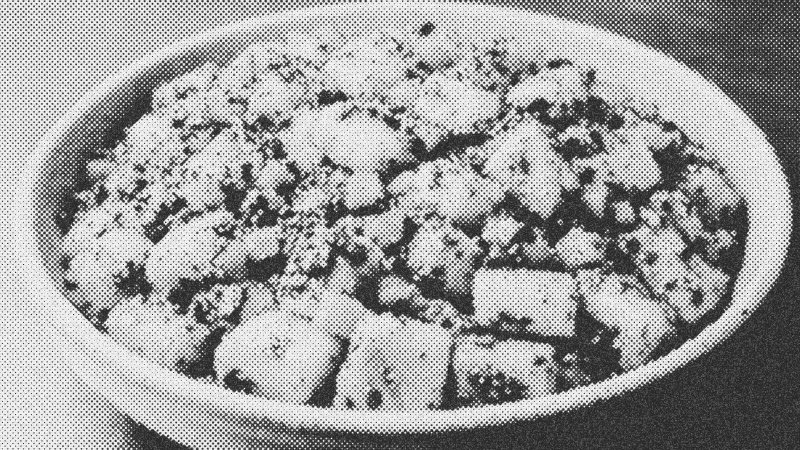
Precision shaping and the semolina crust
Roll the dough into even cylinders using light finger pressure, avoiding the heavy palms that compress the air out of the mix. Once cut into half-inch pieces, a light coating of Semolina serves a dual purpose: it prevents sticking and provides a signature, micro-thin crust when the gnocchi eventually hits the sauté pan. This contrast between a crisp exterior and a pillowy interior is the hallmark of professional execution.
Emulsifying a three-star sauce
Cooking gnocchi is a binary process—they tell you they are finished the moment they float. From the water, they move directly into a pan with foaming butter and mushroom duxelle. To finish, use the Italian technique of mantecare, emulsifying chicken stock, butter, and Pecorino into a glossy glaze. A final splash of Chardonnay vinegar cuts through the richness, balancing the earthy squash and mushrooms.
- 00 flour
- 11%· products
- Bench scraper
- 11%· products
- Gnocchi
- 11%· products
- Maris Piper
- 11%· products
- Pecorino
- 11%· products
- Other topics
- 44%
Michelin Gnocchi at Home
WatchFallow // 10:10

We're Jack and Will & we run Fallow, Roe & FOWL restaurants in London. For enquiries, contact [email protected]