Four precision methods for cooking steak like a Michelin-starred chef
The high-heat sear and timing rule
Nailing a medium-rare finish starts with a violent sear. Your pan must be screaming hot; if you aren't worried about the smoke alarm, the pan is too cold. For a two-inch thick steak, the timing suggests two minutes per side in a 180°C oven after the initial sear. This primitive guide provides a baseline, but consistency remains the biggest hurdle for home cooks using only a clock.
Why the hand-touch test fails most cooks
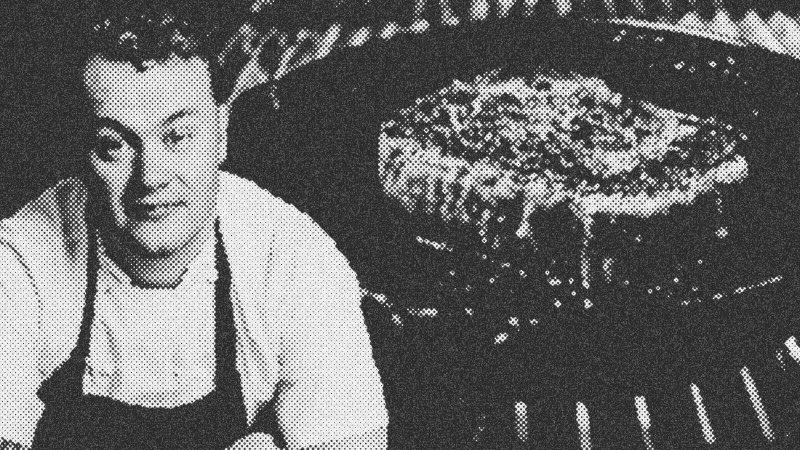
Many old-school chefs swear by the touch, comparing the meat's resistance to different parts of the palm. While it sounds poetic, it is fundamentally flawed. Every hand is different. A chef with "ham hands" will perceive resistance differently than a colleague with thin fingers. Furthermore, once meat hits high temperatures, it becomes a "ball of energy" that is difficult to discern until it has rested and the muscle fibers relax.
The sensitive bottom lip and metal probes
In elite kitchens like Gordon Ramsay Group or Core by Clare Smyth, chefs often use a cake tester or metal pin. This involves inserting the metal into the steak’s core and then touching it to your bottom lip—one of the body's most temperature-sensitive areas. If the metal is hot, the meat is overcooked. For a perfect 48°C medium-rare, the metal should feel just warm, never stinging.
Tools for thermal accuracy
While tradition has its place, the Thermapen is the gold standard for modern accuracy. The key is understanding carryover cooking. Meat continues to rise in temperature by about 8°C while resting. To hit a final target of 48°C, you must pull the steak off the heat when the internal temperature reads 38°C to 40°C. This scientific approach eliminates the guesswork that leads to expensive butcher cuts being ruined.
- cake tester
- 17%· products
- Core by Clare Smyth
- 17%· restaurants
- Gordon Ramsay Group
- 17%· companies
- Thermapen
- 17%· products
- timing
- 17%· techniques
- touch
- 17%· techniques
How Chefs Know a Steak is Cooked Perfectly
WatchFallow // 11:11

We're Jack and Will & we run Fallow, Roe & FOWL restaurants in London. For enquiries, contact [email protected]