Ten essential knife techniques separate professional chefs from kitchen amateurs
The geometry of the perfect cut
A chef’s knife is an extension of their hand, a precision tool capable of elevating a dish from mere sustenance to a sensory masterpiece. Most home cooks hack at their ingredients, unaware that the mechanical action of the blade dictates the final flavor profile. To truly understand fine dining, one must appreciate the artistry in the prep. Whether executing a tap chop for speed or a delicate brunoise for aesthetic uniformity, the goal is always to maximize the ingredient's potential while minimizing cellular damage. Mastery begins with the claw grip, a defensive posture that protects the fingertips while providing a stable guide for the blade.
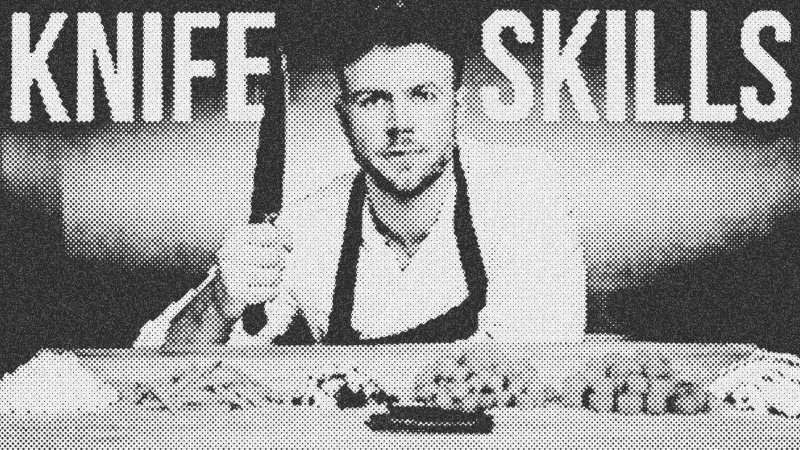
Tools for the culinary artisan
Before approaching the cutting board, a connoisseur ensures their steel is impeccable. A dull knife is a blunt instrument that bruises rather than slices. You require a high-quality Chef’s Knife for general prep, a Boning Knife for intricate meat work, and a Filleting Knife with the necessary flexibility to navigate the skeletal structure of a flatfish. To maintain these edges, two implements are non-negotiable: a Diamond Steel for aggressive reshaping of the edge and a Honing Rod for daily alignment. A professional edge requires maintenance every ten minutes during heavy prep to ensure the blade glides through fibers with zero resistance.
Precision techniques for flavor retention
- The Tap Chop: This is the fundamental speed cut. Utilize a slight sawing motion rather than a vertical crush to let the blade’s sharpness do the work. It is the heartbeat of the professional kitchen.
- Rock Chop and Chiffonade: When working with delicate herbs like parsley or basil, avoid the common mistake of "bashing" them against the board. This leaves essential oils on the wood rather than the plate. Instead, roll your herbs into a tight "cigar" and use a long, slicing rock motion to keep the aromatics trapped within the leaf.
- Mincing with Friction: For a seamless **Steak Hach
- Boning Knife
- 11%· products
- Chef’s Knife
- 11%· products
- Diamond Steel
- 11%· products
- Filleting Knife
- 11%· products
- Gordon Ramsay
- 11%· people
- Other topics
- 44%
The 10 Knife Skills Every Chef Needs to Learn
WatchFallow // 24:33

We're Jack and Will & we run Fallow, Roe & FOWL restaurants in London. For enquiries, contact [email protected]