The Semiotics of Substantiation: When Appearance Deceives in Ancient Worlds
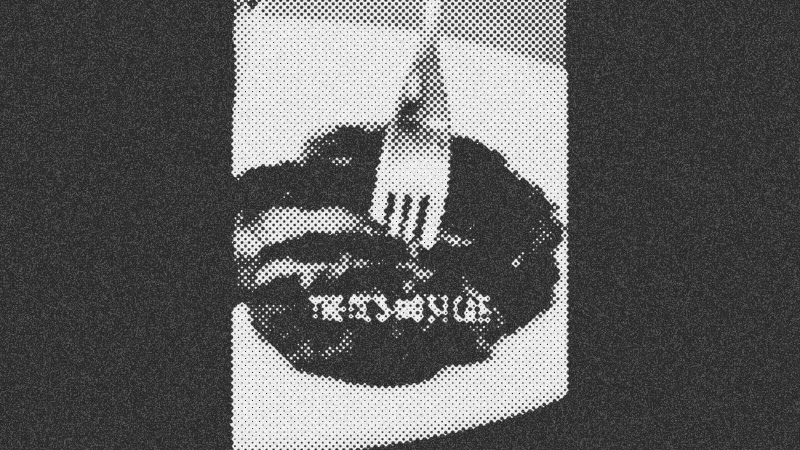
A simple declaration, 'This Is Not A Steak,' carries a weight far beyond its immediate culinary implications. Such a pronouncement forces us into a fundamental human query: what constitutes authenticity? This query, often dismissed in our information-saturated age, resonated profoundly through the stratified societies of antiquity. They, too, grappled with the distinction between appearance and essence, between symbol and substance. Understanding this ancient perspective reveals not just a difference in perception, but a foundational cultural architecture built upon collective understandings of truth.
The Shifting Sands of Identity
Ancient societies navigated a world where the identity of objects, particularly those vital for sustenance or ritual, held immense power. Food, for instance, was rarely mere caloric intake. It embodied social status, spiritual connection, and often, an elaborate system of exchange and sacrifice. To declare something 'not a steak' in an ancient context was to challenge a specific expectation—an expectation rooted in shared cultural understandings of what a 'steak,' or any designated foodstuff, represented. It involved more than biological categorization; it touched upon its role within the community's narratives and practices. The very concept of 'steak' itself, a defined cut of meat, implies an agricultural and culinary sophistication, signifying value and often, celebratory or ritualistic consumption.
Form, Function, and Falsehood: A Deeper Look
The Symbolism of Sustenance
Consider the ancient world's approach to provisions. Grains, domesticated animals, even specific herbs—each carried a specific symbolism, often tied to deities, seasons, or social hierarchies. A 'steak' would typically originate from a bovine, an animal often revered or central to pastoral economies. If an item presented as such was, in fact, something else entirely, it challenged the natural order and the integrity of communal trust. This was not simply a matter of taste; it was a matter of cultural honesty. Archaeological evidence of offerings, dietary restrictions, and celebratory feasts consistently underscores the symbolic weight attached to food items. These practices illustrate a meticulous adherence to what was and what was not considered appropriate or authentic for specific contexts.
Artisans of Deception: When Appearances Mislead
The ability to create convincing imitations also played a crucial role. Ancient artisans were masters of their craft, capable of producing stunning replicas in various materials. A common example involves the crafting of clay or stone fruits as grave offerings, designed to mimic real sustenance for the deceased. Here, the 'not' is understood and intentional—a symbolic gesture rather than a deception. However, what if a valuable material was substituted with a cheaper look-alike, or a sacred relic with a mundane imitation? The distinction became paramount. Cultures developed intricate methods of authentication, from specific markings on pottery to the material analysis of precious metals. The challenge of discerning genuine from counterfeit was an ongoing thread in commerce, ritual, and daily life, revealing a profound human struggle with what is truly seen versus what is truly present.
Verifying Truths: The Communal Lens
In societies often reliant on oral tradition and direct observation, the communal verification of truth held significant sway. A declaration like 'this is not X' could spark immediate social negotiation. Was it a trick? A misunderstanding? Or a deliberate act of misrepresentation? The answer carried consequences, affecting an individual's reputation, the efficacy of a ritual, or the fairness of a transaction. This communal truth-finding mechanism, without the aid of modern scientific analysis, depended heavily on shared knowledge, established precedents, and the collective wisdom accumulated over generations. The simple act of naming something for what it truly was, or was not, affirmed the integrity of the collective.
Echoes in Our Contemporary World
The fundamental human question posed by 'This Is Not A Steak' remains strikingly relevant. Our contemporary world, saturated with digital representations and engineered experiences, continually confronts us with questions of authenticity. We, like our ancient forebears, must discern between genuine articles and cleverly crafted simulations. The challenges they faced in identifying true sustenance, authentic artifacts, or honest representations resonate with our own struggles against misinformation and artificiality. Their cultural wisdom, often encoded in their meticulous rituals and communal verifications, offers a poignant reminder of the enduring human need to perceive truth beyond mere appearance.
A Continuum of Perception
The seemingly trivial assertion 'This Is Not A Steak' serves as a profound philosophical anchor. It draws us into the ancient intellectual currents concerning appearance, reality, and the deep cultural significance of precise identification. From the symbolic weight of food in ritual to the meticulous craftsmanship designed to distinguish the genuine from the imitation, ancient peoples consistently engaged with the very questions of authenticity that continue to shape our perceptions. Their solutions, embedded in their societal structures and collective wisdom, offer invaluable insight into the timeless human quest to understand what truly is, and what merely seems to be. Further archaeological studies focusing on contexts of material deception or symbolic substitution promise to deepen our understanding of these ancient cultural dialogues.
This Is Not A Steak
WatchFallow // 0:59

We're Jack and Will & we run Fallow, Roe & FOWL restaurants in London. For enquiries, contact [email protected]