The Chef’s Method: Crafting the Ultimate Structured Lasagna
The Architecture of a Perfect Slice
Most home-cooked lasagnas suffer from the same fate: a watery, collapsing mess that tastes of canned tomato acidity. This guide breaks away from casual assembly to focus on a technique-driven approach inspired by Massimo Bottura. We aim for deep caramelization, structural integrity through thin layers, and a precise balance of fats. This isn't just a recipe; it is a lesson in coaxing flavor from collagen and time.
Tools and Materials Needed
To execute this Lasagna properly, you require a heavy-bottomed casserole dish, a pasta machine (if making from scratch), a blender, and a fine-mesh sieve.
Ingredients for the Ragu:
- Meats: Ox cheek, Short rib, pancetta, and sausage meat.
- Base: Onion, carrot, celery, and Bone marrow.
- Liquids: White wine, chicken stock, and roasted cherry tomatoes.
For the Layers:
- Pasta: Double zero flour, eggs, and blanched spinach.
- Béchamel: Whole milk, butter, flour, nutmeg, and Parmesan cheese.
Step-by-Step Construction
- Render the Foundation: Start by melting bone marrow. This unconventional fat adds a velvet-like mouthfeel. Sweat your finely diced Sofrito (onion, carrot, celery) in this fat until translucent. Avoid browning; we want sweetness, not bitterness.
- The Tomato Secret: Forget canned sauce. Roast cherry tomatoes until blistered, then pulse them briefly. This provides a concentrated, clean acidity that prevents the dish from becoming watery.
- The Multi-Meat Braise: Brown the beef cheek and short rib on high heat to develop a crust. Separately fry the pancetta and sausage. Deglaze the pan with white wine—its higher acidity cuts through the heavy fats better than red wine. Add the tomatoes, stock, and a Parmesan cheese for umami. Braise at 140°C for two hours.
- Green Pasta Sheets: Blanch spinach, blitz with egg yolks, and incorporate into flour. Roll the dough until you can see light through it. Thin sheets are the secret to the 8–10 layers required for structural height.
- Béchamel and Assembly: Infuse milk with thyme and bay leaf before creating your roux. Start the assembly with a thin layer of sauce, then alternate: pasta, ragu, béchamel. Repeat until you hit the top of the dish.
Tips for a Crispy Finish
Structure depends on the "clean slice." To achieve this, don't over-sauce the layers. If your ragu looks thin, reduce the liquid until it coats a spoon. For the legendary crispy top, grate a heavy layer of Parmesan and bake at 140°C. For the final five minutes, move the dish under a hot grill. This creates a shattered-glass texture that contrasts beautifully with the tender interior.
The Expected Outcome
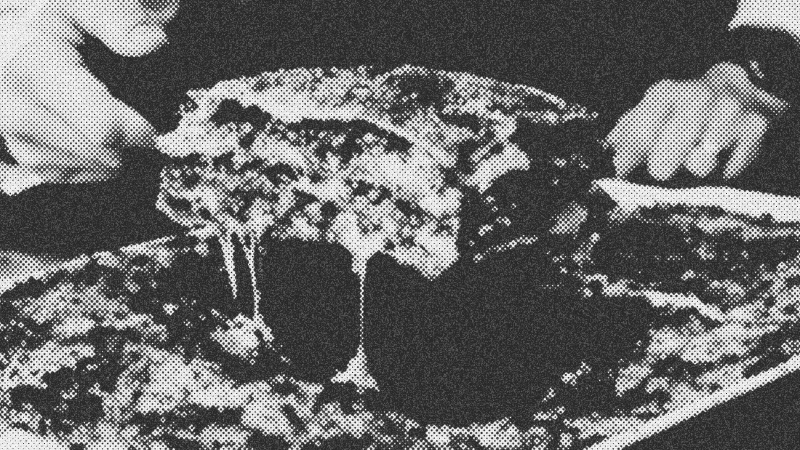
You will achieve a Lasagna that holds its shape on the plate. It avoids the typical "soupiness" of store-bought versions. Expect a rich, meaty flavor profile where the Ox cheek provides tenderness and the Short rib offers fatty depth, all balanced by a sharp, sweet gastrique of vinegar and sugar added at the final stage.
- Lasagna
- 18%· products
- Ox cheek
- 18%· products
- Parmesan cheese
- 18%· products
- Short rib
- 18%· products
- Bone marrow
- 9%· products
- Other topics
- 18%
Why Restaurant Lasagna Tastes So Much Better
WatchFallow // 19:42

We're Jack and Will & we run Fallow, Roe & FOWL restaurants in London. For enquiries, contact [email protected]