The Stratified Legacy: Crafting Thousand Layer Potatoes with Bacon
Just as ancient architects meticulously layered stone upon stone to create enduring structures, so too can humble ingredients be transformed into a culinary edifice of extraordinary character. The "Thousand Layer Potatoes," especially when interwoven with the savory notes of bacon, stand as a testament to precision, patience, and the profound impact of textural interplay. This guide details a methodical approach to achieving this remarkable dish, a synthesis of the Dauphinoise's creamy heart and the Pommes Anna's crisp exterior, culminating in a gastronomic experience that transcends mere sustenance.
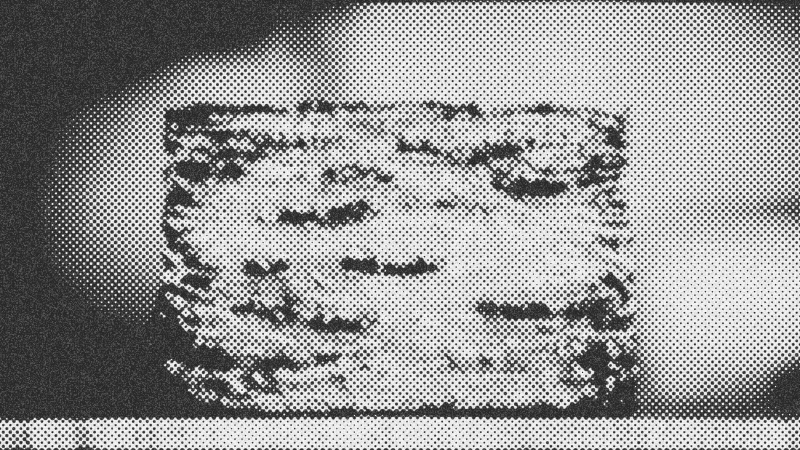
Unearthing the Essentials: Tools and Provisions To embark on this culinary excavation, gather the following:
Provisions: 8 large floury potatoes, approximately 1.35 kg (varieties such as King Edward or Maris Piper are ideal). 350 grams unsalted butter. Approximately 50 grams starch (potato starch, cornflour/cornstarch, or tapioca starch are suitable). Bacon, sufficient for two thin, crisp layers. Fine salt. Neutral oil, designated for deep-frying. For the final flourish: runny honey (or maple syrup) and flaky sea salt.
Tools: A sharp mandoline or knife for ultra-thin slicing. A sturdy loaf or terrine tin. Greaseproof paper. An oven-safe rack. Another tin or heavy object for pressing. A deep-fryer or heavy-bottomed pot.
The Ritual of Preparation: Crafting the Layers Each step in this process is critical, a deliberate act contributing to the final structure and flavor.
- Potato Preparation: Slice the potatoes with extreme thinness, aiming for 1–2 mm. Resist the urge to wash them; their natural starch is fundamental to the layering process. Lightly season the slices with fine salt.
- Butter Clarification: Melt 350 grams of unsalted butter. Continue heating until it achieves a light brown, nutty aroma and color, then strain it carefully to clarify, removing any milk solids. Reserve approximately 15-20% of this clarified butter for later.
- Starch and Bacon Integration: Toss the thinly sliced potatoes with approximately 50 grams of your chosen starch, ensuring an even, light coating. Subsequently, coat these starch-dusted potatoes with 80-85% of the clarified butter.
- Bacon Crisping: Arrange the bacon on an oven-safe rack. Bake at 200 °C until it achieves a crisp, caramelized state. Allow it to cool, then chop it into fine pieces.
- Terrine Assembly: Line your loaf or terrine tin with greaseproof paper, allowing an overhang for easy removal. Begin layering: a stratum of potato slices, followed by a delicate dusting of starch, then a sparse sprinkling of the chopped, crisp bacon. Repeat this sequence until the tin is nearly full, always concluding with a final layer of potato.
- Binding and Compression: Pour the remaining reserved clarified butter over the layered potatoes. Cover the surface with another sheet of greaseproof paper. Position a second tin or a suitable heavy object on top, pressing the layers down firmly.
- Initial Baking: Bake the compressed terrine in an oven preheated to 140 °C for 2 hours.
- Post-Bake Compression and Chill: Upon removing the terrine from the oven, immediately re-apply the weight, ensuring continued compression. Allow it to cool completely, then refrigerate overnight for a minimum of 12 to 24 hours. This crucial chilling period solidifies the layers.
Refining the Edifice: Observations and Adjustments Starch is Key: The natural starch on unwashed potatoes, supplemented by additional starch, acts as the binding agent. Do not rinse the sliced potatoes. Precision in Slicing: Ultra-thin slices are non-negotiable for achieving the "thousand-layer" effect and uniform cooking. A mandoline offers the most consistent results. Patience in Chilling: The overnight refrigeration is perhaps the most critical step. It allows the butter to set and the potato layers to fuse, ensuring the block can be unmoulded and cut cleanly without collapsing. Temperature Control: Adhere strictly to the specified oven temperatures for both baking and deep-frying. Too high, and you risk burning; too low, and you compromise crispness.
The Grand Unveiling: A Legacy of Crispness Once the terrine has thoroughly chilled and solidified:
- Unmoulding and Shaping: Carefully unmould the potato block. Trim any uneven edges, then cut the block into desired bars or portions.
- Deep-Frying: Heat neutral oil in a deep-fryer or heavy-bottomed pot to 190 °C. Carefully immerse the potato bars and deep-fry for approximately 4 minutes, or until they achieve a glorious golden-brown and shatteringly crisp exterior.
- Final Flourish: Remove the fried potato bars, allowing any excess oil to drain. Immediately drizzle with runny honey (or maple syrup) and sprinkle generously with flaky sea salt. Serve hot.
The resulting potato bars offer a profound textural dichotomy: an exterior that shatters with a satisfying crunch, yielding to an interior of tender, butter-infused layers. This is more than a side dish; it is a culinary artifact, an expression of dedication and understanding of ingredient transformation, worthy of contemplation and savor.
- ~50 g starch (potato, cornflour/cornstarch, or tapioca)
- 5%· ingredients
- 350 g unsalted butter
- 5%· ingredients
- 8 large floury potatoes (about 1.35 kg)
- 5%· ingredients
- Bacon (enough for two thin layers, pre-crisped)
- 5%· ingredients
- Cornflour/cornstarch
- 5%· starch types
- Other topics
- 74%
Thousand Layer Potatoes But With Bacon
WatchFallow // 9:56

We're Jack and Will & we run Fallow, Roe & FOWL restaurants in London. For enquiries, contact [email protected]