Reclaiming Your Plate: Navigating the Toxic Architecture of the Modern Food System
The Invisible War on Your Kitchen Table
Your relationship with food is one of the most intimate connections you have with the physical world. Three times a day, you invite external molecules into your body to become part of your cellular structure. Yet, a profound betrayal has occurred within the American food supply. We are living through a period where the primary goal of the food industry has shifted from nourishment to engineering. This isn't just about calories; it is about the structural integrity of our health. When a company like Kellogg's produces a version of cereal for the United States that contains artificial dyes and BHT, while selling a cleaner version in Europe, it reveals a disturbing double standard. Our health is being traded for shelf life and profit margins.
This discrepancy suggests that the safety of our children is viewed through a lens of regional regulation rather than universal ethics. In other countries, products with artificial dyes require a warning label similar to those on cigarettes, noting potential adverse effects on activity and attention in children. In America, these same ingredients are marketed with cartoon characters to hook the next generation. Recognizing this reality is the first step in reclaiming your power. Growth in your personal health journey begins when you stop being a passive consumer and start being a conscious advocate for your own biology.
The Psychology of the Bliss Point
Why is it so hard to stop at one handful of chips or one slice of processed bread? The answer lies in the "Bliss Point." This is a precise chemical and sensory formulation designed to override your body's natural satiety signals. Many of the largest food companies were historically acquired by tobacco giants. These companies applied the same addictive technology used in cigarettes to processed foods. They measure mouthfeel, texture, and the speed of dissolution to ensure you consume the product faster than your brain can register fullness.
Consider the humble cheese ball. It is engineered to melt in your mouth, a phenomenon known as vanishing caloric density. This tricks your brain into thinking the calories have disappeared, encouraging you to keep eating. Even the bread found in most grocery stores is so soft and devoid of fiber that you can consume multiple slices in the time it takes to chew a single piece of real sourdough. This is not an accident of manufacturing; it is the weaponization of food science against human physiology. To protect your mindset and your energy, you must realize that your cravings are often not a lack of willpower, but the result of sophisticated biological hacking.
Unmasking the Toxic Hit List
To navigate the grocery store safely, you must develop a critical eye for specific ingredients that provide zero nutritional value while posing significant risks. Seed Oils like cotton seed, canola, and soy oil dominate the processed landscape. These oils are often extracted using harsh chemicals like hexane and are derived from crops heavily treated with glyphosate. Because cotton is classified as a textile rather than a food crop, the regulations regarding pesticide use are significantly more relaxed, yet the oil byproduct ends up in our snacks.
Beyond oils, the prevalence of high fructose corn syrup and artificial dyes like Red Number 40 creates a metabolic storm. The FDA has not reviewed the safety data for many of these dyes in decades, despite a 500% increase in their consumption. Then there are the "natural flavors." This label is a massive loophole that allows thousands of undisclosed chemicals to be bundled under a single, innocent-sounding term. These chemicals are designed to create a "flavor memory," ensuring that your brain craves that specific synthetic taste again and again. When you start reading labels and see ingredients like monodiglycerides—used to replace banned trans fats—you are seeing the industry's attempt to prioritize preservation over your heart health.
The Capture of Regulatory Gatekeepers
The trust we place in regulatory bodies like the FDA is often misplaced. The reality is a system of "Generally Recognized as Safe" (GRAS) designations, where food companies often provide their own safety data for the chemicals they want to use. There is no independent, third-party laboratory at the government level testing every new additive for long-term health impacts. This lack of oversight is compounded by the influence of industry-funded front groups.
Organizations with titles that sound scientific and authoritative, such as the American Council on Science and Health, frequently receive funding from the very companies whose products they defend. Their role is often to sow confusion or conduct character assassinations on activists who speak out. This creates a "wild west" environment where the consumer is the ultimate test subject. Understanding this conflict of interest is vital for your resilience. You cannot wait for a government stamp of approval to protect your family; you must become your own primary health investigator.
Actionable Strategies for the Conscious Consumer
Transitioning away from a processed lifestyle doesn't require perfection, but it does require intentionality. Start by asking three simple questions before you eat: What are the ingredients? Are they nutritious? Where did they come from? If you cannot answer these, the food likely doesn't serve your potential. Focus your shopping on the perimeter of the store—the produce, the butcher, and the eggs. These are one-ingredient foods that don't need a marketing team to explain their benefits.
For those with busy lifestyles, convenience is often the enemy of health. However, you can create your own "fast food" by mastering simple, nutrient-dense options like a daily green smoothie with clean protein. Investing 10 minutes in your kitchen can save you years of metabolic struggle later. When you go out into the world—to airports, parties, or sporting events—accept that the system is not designed to support your well-being. Carrying your own snacks or choosing to fast until you find a real food option is a revolutionary act of self-care. It’s about setting "bright lines" in your life where you refuse to settle for chemicals that dim your mental clarity and physical energy.
The Resilience of Real Nutrition
Choosing real food is about more than avoiding disease; it is about reaching your highest potential. Your brain cannot function at its peak when it is bogged down by endocrine disruptors and inflammatory oils. When you clean your internal environment, you often find a level of focus and emotional stability you didn't know was possible. This is the ultimate mindset shift: viewing food as the fuel for your purpose rather than just a source of fleeting pleasure.
As public awareness grows, we are seeing a shift in the cultural landscape. People from all walks of life and political backgrounds are beginning to demand transparency. This collective awakening is powerful, but your individual choices remain your greatest tool. By voting with your dollar and choosing ingredients that honor your biology, you are not just changing your own health—you are helping to dismantle a broken system. Growth happens one intentional bite at a time. Your body is the only place you have to live; treat it with the respect it deserves.
- FDA
- 10%· organizations
- American Council on Science and Health
- 5%· organizations
- BHT
- 5%· products
- Chick-fil-A
- 5%· companies
- Chris Williamson
- 5%· people
- Other topics
- 70%
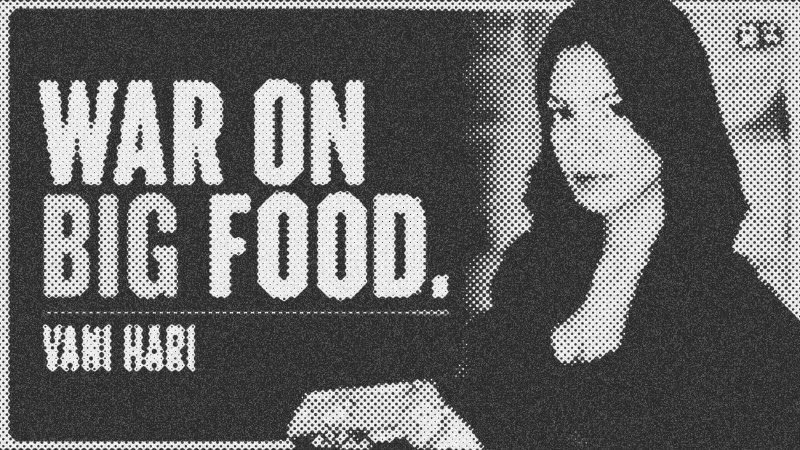
Exposing The Food Industry’s Dangerous Lies - Vani Hari
WatchChris Williamson // 57:14
