The Psychology of Collapse: How Generational Mindsets Shape a Nation's Future
The Architecture of Tomorrow
Our lives, much like nations, are built upon the choices we make today. We often focus on immediate goals, forgetting that the foundation we lay determines the stability of our future. A nation's trajectory—its growth, resilience, or decline—is a powerful reflection of the collective mindset and the long-term consequences of its people's decisions. Understanding this connection reveals profound truths about our own paths toward sustainable personal growth.
The Lasting Echo of Short-Term Thinking
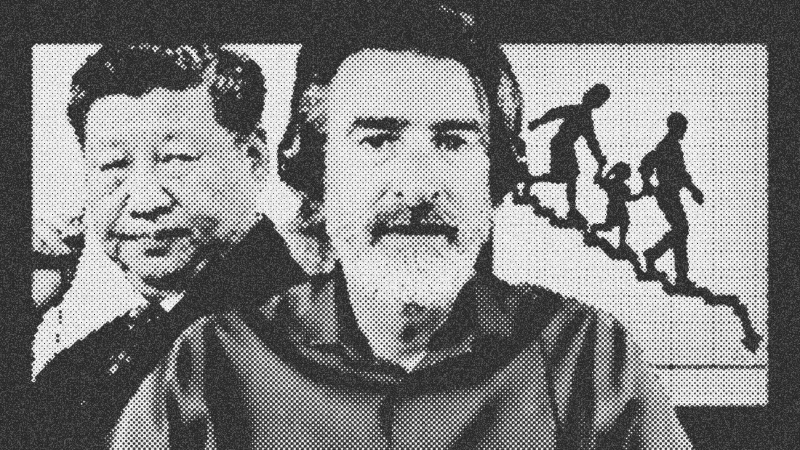
The story of China's demographic crisis is a stark lesson in cause and effect. Policies like the One-child policy, implemented to solve a perceived immediate problem, created a deep, structural imbalance decades later. This demonstrates a core principle of personal development: our most impactful choices are often those whose consequences are not immediately felt. We must cultivate the foresight to look beyond temporary relief and ask what future we are creating with our actions right now.
The Interconnected Nature of Growth
The Urbanization Paradox
The shift from rural to urban life changes more than just our location; it fundamentally reshapes our identity and priorities. As societies industrialize and urbanize, the metrics of success shift. For women, access to electricity and education opens pathways beyond traditional roles. This isn't just an economic change; it's a psychological one. The focus moves from the collective family unit to individual achievement. While this fuels progress, it also alters the very fabric of how we build families and communities, impacting birth rates and social structures.
The Limits of Perceived Control
China's struggles with food security and military projection highlight another critical mindset lesson: the illusion of absolute control. Despite immense effort, a nation's strength is dependent on complex, interconnected systems—from soil quality to global trade. True resilience isn't about controlling every variable. It's about recognizing vulnerabilities and building adaptability. In our own lives, acknowledging what we cannot control is the first step toward mastering what we can.
Building Personal Resilience
The challenges facing a superpower offer a blueprint for our own growth. Are our personal systems—our health, finances, relationships—built on a sustainable foundation? Or are we relying on short-term fixes that create future instability? A resilient life requires a balanced ecosystem. It demands a healthy ratio of investment (work) to renewal (rest), and of consumption (learning) to creation (action), ensuring we have a vibrant future to grow into.
Conclusion: Architecting Your Legacy
A nation's fate is the sum of millions of individual choices. Your life is the same. The principles that dictate demographic stability—balance, foresight, and adaptability—are the same ones that lead to personal fulfillment and lasting well-being. By making intentional choices today, we design a future that is not just successful, but sustainable.
- China
- 15%· places
- France
- 8%· places
- Japan
- 8%· places
- Mexico
- 8%· places
- New Zealand
- 8%· places
- Other topics
- 54%
We Are On The Brink Of Collapse - Peter Zeihan
WatchChris Williamson // 14:10
