The Resilience Shift: Navigating Modern Fractures in Culture, Purpose, and Connection
The Psychological Architecture of the Conservative Civil War
When we look at the internal friction currently defining the political Right, it is easy to dismiss it as mere partisan bickering. However, a deeper psychological analysis reveals a movement grappling with the weight of its own success. Brett Cooper highlights that groups are frequently bound together more by a mutual distaste for an out-group than by a shared love for their in-group. This is a classic sociological phenomenon: external threats create cohesion, but once a group enters the 'tent' of power, that unity often evaporates.
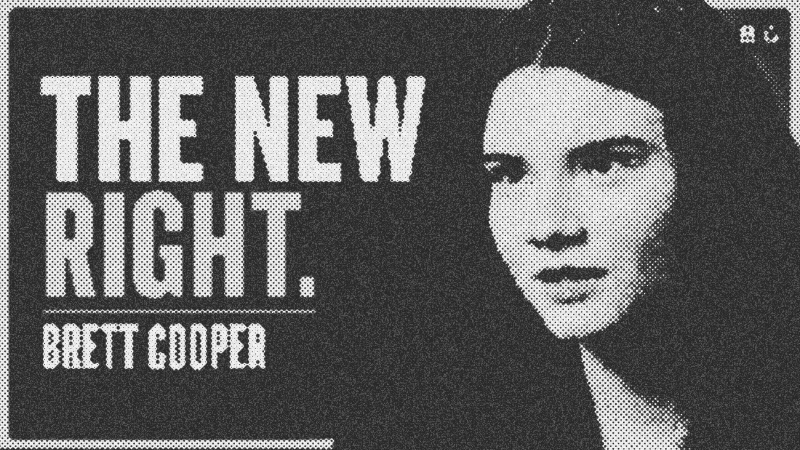
The current schism within the conservative movement is not necessarily a sign of failure, but rather a byproduct of intense passion and a lack of clear external resistance. People are fighting in good faith because they are worried about the direction of their movement. This internal 'civil war' is characterized by a rise in purity tests—the very mechanism the Right previously criticized the Left for using. When we demand that Tucker Carlson's son disavow his father or cancel someone for platforming a controversial figure, we are engaging in a form of psychological tribalism that prioritizes ideological hygiene over open discourse. The solution lies in sunlight. Sunlight remains the best disinfectant for ideas we dislike. Instead of deplatforming, we must allow the debate to happen in the open, trusting that the most resilient and truthful ideas will ultimately prevail.
Gen Z and the Crisis of Economic Agency
A significant portion of Gen Z is currently trapped in a state of 'learned helplessness' regarding their financial futures. Donald Trump's performance is being measured not just by executive orders, but by the tangible affordability of life. Young people feel a sense of betrayal; they followed the rules—extracurriculars, high grades, university degrees—and emerged into a world where the average age of a first-time homebuyer has climbed past forty.
This creates a profound psychological gap. When a young person looks at the stats and sees that repeat homebuyers are typically in their sixties, they experience a loss of hope. This is where the concept of intergenerational competition theory becomes relevant. We compare our current state to where we perceive our parents were at our age. While objective metrics like interest rates and inflation are real hurdles, the internal perception of those hurdles is what dictates behavior. If you believe the future is hopeless, your drive to act diminishes. To reclaim agency, one must first accept the current reality without being consumed by it. Success today requires adjusting the assumed plan and making sacrifices that previous generations might not have faced. It is about recognizing the 'bracket' of your circumstances and pushing yourself to the absolute top of that bracket through personal responsibility.
The Personality Pivot: Why Authenticity Wins Over Policy
The recent election of Zohran Mamdani in New York provides a fascinating case study in the power of personality. Politics has increasingly merged with pop culture, a trend that arguably began with Barack Obama. Zohran Mamdani won not just because he promised free housing or groceries, but because he was an entertainer who looked like he enjoyed the campaign trail. He was seen doing Tai Chi in senior centers and speaking like a normal human being, mirroring the relatability that Donald Trump used to connect with the average American.
In contrast, establishment figures like Andrew Cuomo often appear stiff and unrelatable. The modern voter prizes congruence. They want to see a leader who believes what they are saying, even if the promises—like 'free' everything—eventually hit the hard wall of economic physics. This shift toward the personal means that challengers always have the advantage; they can sell a vision of the future without the baggage of past delivery failures. For the Right to compete, especially with young women, the messaging must move beyond 'owning the libs' and toward 'owning a house.' Cultural wars are secondary to the primary human need for security and a viable future.
The Culture War Shiny Object Cycle
We are currently caught in a 'shiny object cycle' that keeps our attention hostage. It starts with a fringe news story that triggers an antibody response from the Right, which then leads to a counter-response from the Left, eventually ending in a meta-discussion about the absurdity of the whole thing. While it is cathartic to mock insane ideas, it is also a massive distraction.
Many of the smartest minds of our time are currently occupied arguing about definitions while cities face fentanyl epidemics and male suicide rates among young adults remain staggering. We must strive to focus on what will matter in fifty years rather than what is trending for the next fifty minutes. This requires a conscious shift in our digital habits. Humour is a useful tool to navigate the absurdity without letting it consume our emotional health. If we can laugh at the ridiculousness of a situation, we maintain the psychological distance necessary to focus on meaningful goals like family, community, and personal growth.
The Relationship Recession and the Myth of Independence
There is a disturbing trend in relationship advice where the most upvoted suggestions are almost always to cut contact, set rigid boundaries, or break up. We are living through a loneliness crisis, yet we are being told that discarding sub-optimal connections is a form of empowerment. This philosophy is socially identical to the body positivity movement: if you cannot achieve a healthy outcome, you declare the goal itself to be misguided or oppressive.
Figures like Alex Cooper of Call Her Daddy have influenced a generation of women to 'date like men' and avoid emotional investment. However, as Alex Cooper herself has transitioned into marriage and expressed a desire for children, we see the 'Alex Cooper arc' in real-time. The militant independence preached in one's early twenties often leads to a sense of regret by one's early thirties. Kelsey Ballerini's recent music captures this perfectly—the realization that while Rolling Stone says you are on the right path, you might have sacrificed your future belonging for temporary financial security.
Parenthood as a Radical Act of Re-Centering
Becoming a parent is perhaps the most radical shift a person can experience. It immediately de-centers the self. For the hyper-independent 'boss lady,' the transition is especially jarring. The first two weeks postpartum—the 'laying in' period—require a total surrender to vulnerability. You cannot do it all yourself. This flies in the face of the feminist messaging of the 1980s that claimed women could have everything all at once.
True growth happens in the struggle. The discomfort of breastfeeding or the sleep deprivation of the early weeks is what gives the experience its profound meaning. It is the antithesis of the 'hustle and grind' mindset. When you have a child, you realize that your energy is finally being directed toward its most natural and rewarding pursuit. It softens you and gives you a new fire to make the world better for the next generation. As we move forward, society must find ways to support families logistically, recognizing that while women have the freedom to work, the biological and emotional needs of the family unit remain constant. Celebrating the transition of figures like Taylor Swift toward family life may even have a tangible impact on the birth rate, as culture shifts back toward valuing deep connection over sterile independence.
- Alex Cooper
- 14%· people
- Donald Trump
- 14%· people
- Zohran Mamdani
- 14%· people
- Andrew Cuomo
- 7%· people
- Barack Obama
- 7%· people
- Other topics
- 43%
Inside the Conservative Civil War - Brett Cooper (4K)
WatchChris Williamson // 1:53:02
