The Restoration of Highland Park Bowl: Chris Paul’s Ode to Old Los Angeles
A Childhood Bond with the Lanes
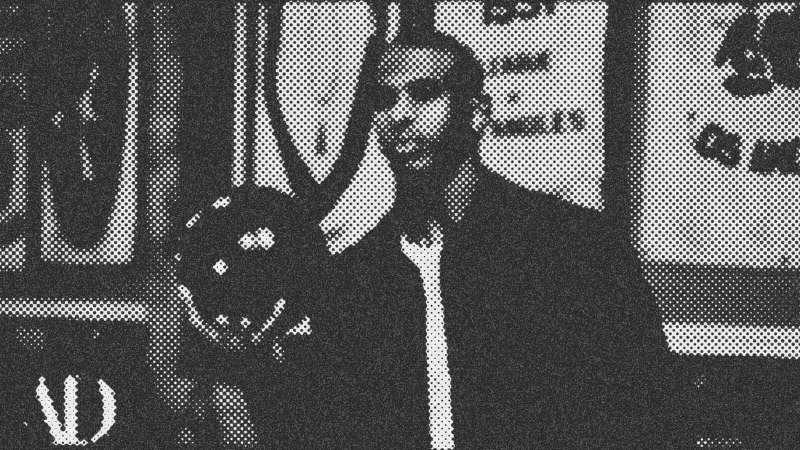
For Chris Paul, the rhythmic crash of pins against wood is the soundtrack of his youth. Long before he became an NBA icon, his Tuesday and Friday nights were spent in bowling alleys where his father competed in local leagues. This deep-seated nostalgia eventually led him to Highland Park Bowl, a 1927 Spanish Revival gem that stands as a stark contrast to the neon-soaked, modernized alleys of today. To Paul, this isn't just a sports venue; it is a sanctuary of authenticity that reminds him of where he came from.
Uncovering a Prohibition Past
The building holds a checkered and fascinating history that began during the height of Prohibition. The Highland Park Drug Company originally designed the space as a clever workaround for strict alcohol laws. They operated a pharmacy on the ground floor to dispense "medicinal" whiskey, placed doctors' offices upstairs to write the prescriptions, and tucked the bowling alley in the back for recreation. It was the ultimate one-stop shop for illicit luxury and entertainment.
From Shadowy Venue to Architectural Marvel
By the late 1980s, the space had transformed into a dark, cramped music venue known as Mr. T’s Bowl. Dropped ceilings and heavy curtains obscured the original architecture, hiding the true scale of the building for decades. When the current restoration team began their "exploratory surgery," they popped up ceiling panels to find massive wooden bow truss ceilings and peeled back walls to reveal hand-painted forest murals. They committed to stripping away years of mismatched remodels to return the facade to its 1920s glory, including the restoration of the original arched windows.
Mechanical Art and Industrial Upcycling
Preservation efforts extended to the vintage Brunswick pinsetting machines from 1948. While the original units were too damaged to function, the team sourced identical period-accurate replacements. They didn't scrap the old iron, though. In a brilliant display of upcycling, the mechanical guts were transformed into chandeliers, the framework became bar shelving, and even the old bowling pins were hollowed out to create custom table lamps. This blend of industrial history and modern design keeps the spirit of "Old LA" alive.
The Resilient Spirit of Community
Beyond the architecture, the alley serves as a social equalizer. Paul notes that bowling has no age, gender, or status—it is a rare space where celebrities like Nelly or Lil Wayne can blend into the local crowd. This sense of community became literal after recent devastating fires in Altadena. The alley served as a hub for donation drives, proving that these historic spaces are the backbone of Los Angeles’ resilience. For a transplant who has spent 14 years in the city, the bowl represents the
- Altadena
- 8%· places
- Architectural Digest
- 8%· companies
- Brunswick
- 8%· companies
- Chris Paul
- 8%· people
- French Montana
- 8%· people
- Other topics
- 58%
Why NBA Legend Chris Paul Loves This Historic LA Bowling Alley | Architectural Digest
WatchArchitectural Digest // 9:12

AD is the international authority on design and architecture. AD provides exclusive access to the world’s most beautiful homes and the fascinating people who live in them, bringing its audience a wealth of information on architecture and interior design, art and antiques, travel destinations, and extraordinary product.