Tea and Terror: Navigating the Contrasts of Ancient Peshawar
The air at the gate hummed with a tension that didn't belong to the mundane process of boarding a flight. Standing there, I watched the other passengers—mostly locals returning home—and realized we were likely the only outsiders heading toward the Afghan border. Our destination was Peshawar, Pakistan, a city that breathes history through its ancient alleyways but currently exists under a cloud of geopolitical suspicion. Most people, including our own families, warned us to stay away. The news cycles had painted a picture of a place defined solely by its proximity to conflict, yet we carried a different hypothesis: that the heartbeat of a city isn't found in headlines, but in the hospitality of its strangers. We arrived with a reckless, ambitious goal to find a local home to sleep in, bypassing the sterilized safety of hotels to find the real soul of the frontier.
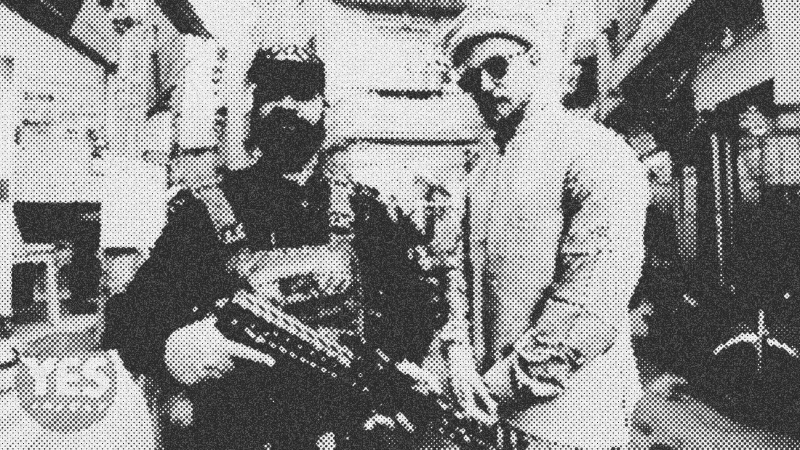
The Heavy Hand of Mandatory Security
Within minutes of landing, the reality of the region’s volatility collided with our romantic notions of solo exploration. We hadn't even left the hotel lobby before the manager stopped us. He explained that current regulations forbade foreigners from walking the streets of Peshawar without a formal police escort. A recent suicide bombing and specific threats toward international nationals had turned the city into a high-security zone. Suddenly, our dream of blending in was replaced by the sight of armed guards and a mandatory motorcade. It was a jarring contrast; we came to break down walls, yet we were being encased in a moving fortress of state protection.
Signing a waiver didn't work. The undercover security officers at the reception were firm: no escort, no exit. We had to decide if we were willing to sacrifice the organic nature of our journey for the sake of compliance. We chose to move forward, accompanied by Enam, a local officer who would become our shadow. It felt restrictive, but it also highlighted the gravity of the situation the local people face every day. They live in the crosshairs of history, where the threat of violence is a background hum that never truly fades.
Sensory Overload in the Ancient Bazaar
Despite the armed presence, the streets of Peshawar opened up like a sensory explosion. We navigated toward the bazaar, a place that once served as a vital node on the Silk Road. The scents here are thick and intoxicating—toasted nuts, roasting meats, and the sharp, floral aroma of local spices. It took us three hours to walk just three blocks because the hospitality was relentless. We were stopped every few feet, not by people wishing us harm, but by locals desperate to offer us tea, food, or a simple welcome. This is a region where ethnically Pashtun traditions dominate, and the language shifts from the national Urdu to Pashto.
In the heart of the market, we found ourselves in the company of storytellers and merchants. We eventually acquired traditional outfits—the Shalwar Kameez—in an attempt to bridge the cultural gap. Even then, the locals saw right through us, laughing and calling out greetings. One young man, Jawad, recognized us from our previous travels on the internet. Finding a Yes Theory subscriber in the middle of a contested frontier city was a surreal reminder of how small the world has become. He spoke about the pain of generalization—how the world views Peshawar through the lens of the Taliban, while the residents themselves are the ones who have suffered most at the hands of extremists.
Scars of a Decade Under Siege
Between 2009 and 2015, Peshawar was a city under sustained attack. As we sat with locals in a quiet park, the conversation turned toward the trauma that still lingers. One man recounted the horror of hearing a blast while his mother and sister were in the market. Almost every family in this city has lost someone to terrorism. The period following the 2001 invasion of Afghanistan turned this border city into a front line for ISIS and Taliban activity. Yet, the defiance of the people is found in their refusal to abandon their core values. They haven't let the fear of the few destroy the hospitality of the many.
We noticed a distinct lack of women in the public squares, a cultural reality that felt foreign to our Western sensibilities. When we questioned this, the locals explained it as a matter of privacy and protection within their specific interpretation of social life. While it felt like a missing piece of the story, we had to respect the boundaries of the culture we were visiting. The men we spoke with were adamant: they are peaceful people who simply want the world to stop looking at them with suspicion. They are stronger than the extremists because they choose to remain open despite the scars of the past.
The Sacred Rite of the Guest
The turning point of the trip came during a simple tea gathering in a local park. We sat with a group of elderly men who explained the ancient Pashtun tradition regarding guests. In their culture, if two people are in a bitter feud and one knocks on the other's door as a guest, the conflict is immediately forgotten. The guest is sacred. They offered us a place in their hearts, a sentiment that felt far more secure than any police escort could provide. This is the irony of Peshawar: the government considers it so dangerous that you need a military detail, but the people consider you so precious that they would give you their last cup of tea.
As we prepared to leave for Islamabad, we were forced into a high-speed relay of security escorts. One police unit would hand us off to the next at the district border, a continuous chain of flashing lights and sirens. It felt like a movie, but the real story wasn't the sirens—it was the quiet conversations in the bazaar. We failed our mission to stay with a stranger because the state wouldn't allow it, but we succeeded in proving our hypothesis. The world is not as scary as the news wants you to believe. When you strip away the politics and the history of conflict, you are left with people who just want to be seen and heard. Travel isn't about the destinations you check off; it’s about the bridges you build in places where everyone else is telling you to build walls.
- Peshawar
- 33%· places
- Pashtun
- 11%· people
- Taliban
- 11%· organizations
- Afghanistan
- 6%· places
- Enam
- 6%· people
- Other topics
- 33%
Inside Pakistan’s Most Dangerous City (surreal)
WatchYes Theory // 37:48

We believe that life's greatest moments and deepest connections exist outside your comfort zone. Brand Partnerships: [email protected] Fan Emails: [email protected] Seek Discomfort: https://www.seekdiscomfort.com