Macau's Greatest Gamble: Finding Humanity Between Luxury and the Street
The humidity in Macau sticks to your skin like a physical weight, a stark contrast to the sterile, air-conditioned glitter of its towering casinos. This city outshines Las Vegas in sheer gambling revenue, creating a landscape where fortunes are deleted in the blink of an eye. We stood at the edge of this neon jungle, a coin in hand, ready to surrender our comfort to the whims of gravity. One side of the coin promised a royal suite and Michelin-starred decadence; the other, a total lack of resources, forcing a desperate hunt for a stranger’s couch in a city notoriously skeptical of outsiders. The toss felt heavier than usual. When the metal landed, the paths diverged: one of us toward a driver and a silk robe, the other toward the sweltering pavement with exactly zero dollars.
The High Stakes of Seeking Discomfort
While Thomas Dajer was whisked away in a luxury vehicle to a hotel so vast it required a map to navigate, Stefan faced a mountain with no gear. To add a layer of unpredictability, we introduced a dice system for the 'abandoned' track. Each roll dictated a mini-challenge that could earn small amounts of survival cash. Stefan’s first task, courtesy of a roll of three, was to ask a stranger to point in a direction and then walk that way for twenty minutes. It sounds poetic until you are actually doing it in the mid-day heat, losing precious daylight hours in a city where English is rarely the first language. He eventually met a local named Ivan, who pointed him down a narrow street, kickstarting a journey fueled by blind trust.
On the other side of the city, Thomas Dajer occupied a world where every whim was anticipated. He chose to use his privilege for a different kind of experiment: finding a local to share in the luxury. He met Sho, a local driver who had only been on the job for a few months. Instead of a simple fare, Thomas Dajer invited Sho to step out of the driver's seat and into a two-star Michelin restaurant. It was a collision of worlds. While Stefan struggled to find a bus, Sho and Thomas Dajer toasted with champagne, highlighting the bizarre social stratification that defines this gambling hub.
Cultural Barriers and the Power of a Smile
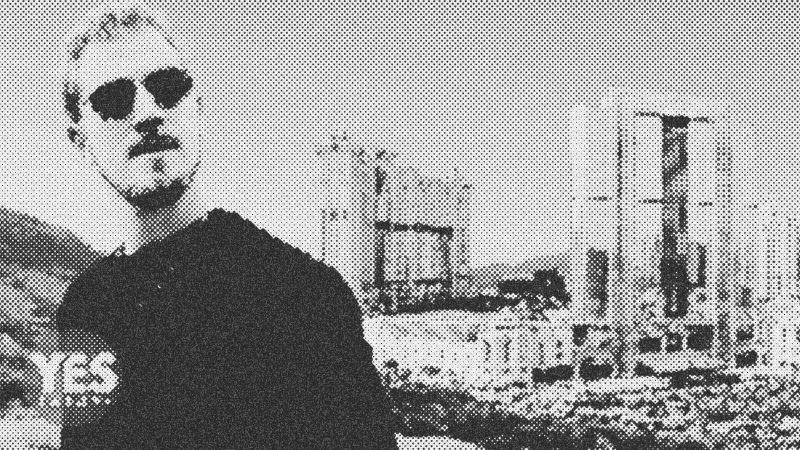
Stefan’s afternoon took a turn toward the surreal when he missed his bus to a fishing village. Stranded and low on morale, he initiated a conversation with a woman carrying a camera. This single interaction spiraled into a total cultural immersion. He found himself adopted by a group of Chinese aunties who treated him not as a beggar or a tourist, but as a long-lost nephew. They shared tea, eggs, and laughter, teaching us that language is often secondary to the energy you project. At seventy-two years old, these women possessed more vitality than most twenty-somethings, dancing and singing with Stefan in a public garden. This wasn't the Macau of the high rollers; this was the heartbeat of the community.
Meanwhile, the luxury experience took a terrifying turn. Thomas Dajer and Sho headed to the Macau Tower to face the world’s tallest bungee jump. Sho, who had never done anything so adventurous, was visibly shaken, texting his wife what he feared might be a final message. Standing on the edge of a 58th-floor drop, the two men found common ground in pure adrenaline. They conquered a skywalk that left them dangling over the abyss. In those moments of terror, the distance between a wealthy traveler and a local driver evaporated. They weren't just two people from different backgrounds; they were two humans surviving a shared fear.
The Midnight Search for Shelter
As the sun dipped below the horizon, the reality of the challenge set in for Stefan. Nighttime in a gambling capital is different; people are more guarded, focused on the tables or their own business. By 7:00 PM, he had zero dollars left after a taxi ride consumed his meager challenge earnings. He was exhausted, hungry, and facing the very real possibility of sleeping on a park bench. He hit a mental wall, questioning the entire experiment. Then, near a local hangout, he met a group of Filipino boys who were sharing drinks and stories. They were wary at first—their living quarters were cramped, shared by five men working hard to send money back to their families in the Philippines.
Stefan stayed with them for hours, not pressuring them for a bed, but simply being present. He played billiards and listened to their stories of sacrifice. Many had been away from their wives and children for nearly a decade, working grueling hours to fund their children’s education. Eventually, the boys' hospitality overrode their shyness. They invited Stefan into their tiny apartment, offering him a corner of their room. It was a masterclass in generosity; those with the least were the most willing to give. While Thomas Dajer slept in a king-sized bed wrapped in high-thread-count sheets, Stefan found a deeper warmth in a crowded room full of strangers-turned-brothers.
Lessons from the Neon Jungle
The reunion the next morning brought the two experiences into sharp focus. Thomas Dajer returned refreshed, but Stefan returned transformed. He had looked into the eyes of people like Sho and the Filipino boys, individuals who make the city run but are often invisible to the tourists flooding the casinos. We learned that Macau isn't just about the $38.5 million lost at a single baccarat table; it’s about the resilience of those who live in the shadows of those tables.
The ultimate takeaway is that luck isn't something that happens at a roulette wheel. Real luck is the serendipity of meeting someone who sees your humanity when you have nothing to offer in return. We decided to share 20% of the revenue from this journey with our new friends and their families, a small gesture to honor their massive hearts. In the end, the most luxurious thing you can experience isn't a five-star hotel—it's the unconditional kindness of a stranger who has every reason to say no, but chooses to say yes.
- Stefan
- 30%· people
- Thomas Dajer
- 21%· people
- Sho
- 18%· people
- Filipino boys
- 6%· people
- Macau
- 6%· places
- Other topics
- 18%
24 Hours Inside the World's Secret Gambling Capital (what happens here?)
WatchYes Theory // 37:52

We believe that life's greatest moments and deepest connections exist outside your comfort zone. Brand Partnerships: [email protected] Fan Emails: [email protected] Seek Discomfort: https://www.seekdiscomfort.com