Structural Failure on the High Seas: Analyzing the AC40 Bow Collapse
Overview: The Impact Event
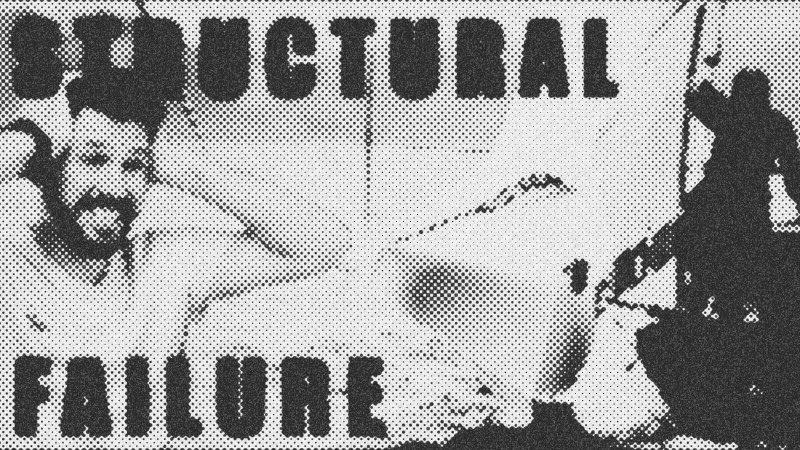
During high-speed foiling maneuvers, Emirates Team New Zealand experienced a catastrophic structural failure on their AC40 yacht. The incident occurred when the rudder lost grip, causing the vessel to nosedive at terminal velocity. This 'stuffing' of the bow didn't just cause a splash; it resulted in a crumpled foredeck and a sheared bowsprit. This failure reveals a critical vulnerability in the current design when subjected to extreme hydrodynamic loads during pitch-pole events.
Key Strategic Decisions
Emirates Team New Zealand designed the AC40 as a production-ready, one-design platform for the Youth and Women’s America's Cup. Unlike a one-off test mule, any structural flaw here necessitates a global redesign for all units. Teams like American Magic and Alinghi Red Bull Racing chose to rely on this platform for their own development, a decision that now leaves their testing schedules in jeopardy while the manufacturer scrambles for a fix.
Performance Breakdown
The failure highlights a conflict in hull geometry. The AC40 features a flared bow designed to dissipate energy and keep the nose above water. However, when the boat hits at high speeds, this wide surface area acts like a blunt instrument, absorbing a massive 'slap' rather than piercing the wave. The structural ribs and bulkheads failed to transfer this energy effectively, leading to visible fracturing across the main deck and internal bulkheads.
Future Implications and Learnings
This event creates a massive strategic opening for Luna Rossa Prada Pirelli and INEOS Britannia, who opted to build independent LEQ12 test platforms. While those teams faced initial teething issues, they are not beholden to the AC40 production delay. The engineering team must now implement a structural redesign that balances weight with the brutal reality of foiling physics. Until a permanent fix is certified, the pursuit of the America's Cup remains stalled for half the fleet.
- AC40
- 29%· products
- America's Cup
- 14%· tv shows
- Emirates Team New Zealand
- 14%· companies
- AC75
- 7%· products
- Alinghi Red Bull Racing
- 7%· companies
- Other topics
- 29%
Implications of AC40 Structural Failure
WatchTHE FOIL // 8:33

The Foil is a new wave of racing media. We are a fresh, all-new, proudly independent digital media brand dedicated to the sport of sail racing. Our focus is centred around the major peaks of the international sport: SailGP, the America’s Cup and the Olympic Games, plus offshore classes and events, and the diverse wider world of sailing competitions that take place around the globe. Become a member now: https://www.youtube.com/@WeAreTheFoil/join