The High-Stakes Leap: From Amateur Sailor to AC40 Pilot
The shoreline of Barcelona serves as a daunting backdrop for any sailor, but for an amateur with zero foiling experience, the sight of an AC40 cutting through the water is enough to rattle the most seasoned nerves. This isn't just a boat; it's a six-figure piece of precision engineering that flies rather than floats. Stepping into the world of Athena Pathway means leaving the comfort of displacement hulls behind and embracing a discipline where the margin for error is measured in milliseconds. The mission is clear: prove that a traditional sailor can bridge the gap to elite foiling through preparation and mental grit.
The Gauntlet of Technical Readiness
Before touching the wheel, the transition requires a total shift in safety and technical literacy. A harrowing underwater safety test ensures that if the hull flips, panic won't win. This is followed by grueling sessions in a hyper-realistic simulator, a tool that mimics the AC40 physical models with startling accuracy. Under the watchful eye of Hannah Mills, the simulator becomes a crucible. It’s here that the hands must learn the buttons and the eyes must learn to track the true wind angle before the sensory overload of the open sea takes hold.
Flight at Fifty Knots
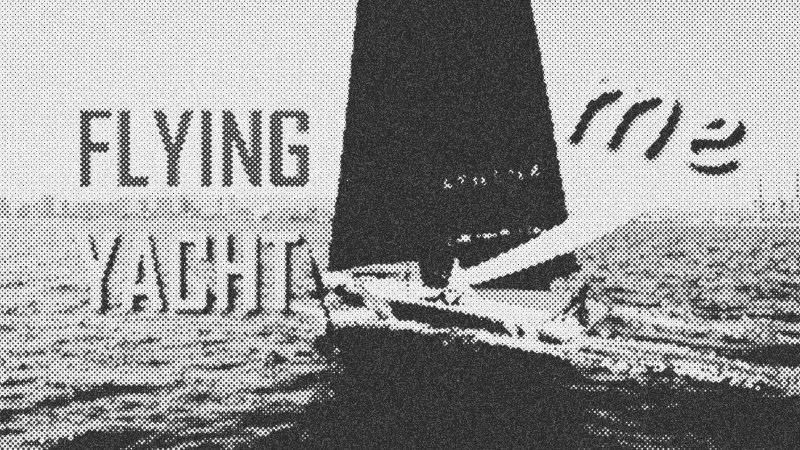
The transition from screen to sea is a visceral shock. As the boat accelerates to fourteen knots and the foils engage, the silence of the flight is replaced by the roar of the wind. Helm control on an AC40 is an exercise in sensory management. The turn rate in the real world feels exponentially more sensitive than the sim; every degree of rudder movement sends a physical jolt through the crew. Executing a bear-away or a jibe at these speeds requires a level of trust in the trimmers and a calm voice to coordinate the chaotic dance of hydraulics.
The Professional Debrief
Post-flight analysis with the Athena Pathway team reveals that the greatest hurdle isn't just technical skill, but overcoming the natural tendency to over-correct. While the simulator provides the blueprint, it cannot replicate the physical sensations—the load on the rudder or the shift in heel—that tell a sailor when the boat is truly in the groove. The lesson is universal for any athlete: technology accelerates development, but the "feel" of the game remains the ultimate teacher. Success in these high-performance environments demands a marriage of digital precision and raw, intuitive talent.
- AC40
- 30%· products
- Athena Pathway
- 20%· companies
- America's Cup
- 10%· products
- Hannah Mills
- 10%· people
- Musto
- 10%· companies
- Other topics
- 20%
Can an Amateur Sailor Fly a Foiling America's Cup Yacht?
WatchTHE FOIL // 13:12

The Foil is a new wave of racing media. We are a fresh, all-new, proudly independent digital media brand dedicated to the sport of sail racing. Our focus is centred around the major peaks of the international sport: SailGP, the America’s Cup and the Olympic Games, plus offshore classes and events, and the diverse wider world of sailing competitions that take place around the globe. Become a member now: https://www.youtube.com/@WeAreTheFoil/join