Redefining the Clue: The Tactical Evolution of Mainsail Control
Overview: The High-Stakes Battle for Aerodynamic Purity
In high-performance sailing like AC36, the margin for victory is found in the microscopic management of drag and sail shape. The transition from boomed to boomless setups was a calculated sacrifice of energy efficiency for aerodynamic gain. While the boom allows for lower sheet tension, its structural bulk destroys the clean flow between the Mainsail skins. Current elite teams are now locked in a design war over where to house the heavy lifting: the hydraulic rams.
Strategic Decisions: Comparing the Rivals
Emirates Team New Zealand prioritized weight and center of effort by moving hydraulics above deck, burying them between the skins. This aggressively lowered the sail area but resulted in a compromised, lumpy clue shape. Conversely, Luna Rossa opted for a below-deck carrier. While this produced an elegant sail profile, it cannibalized critical hull volume, forcing the carrier to become a massive structural component that limits deck design flexibility.
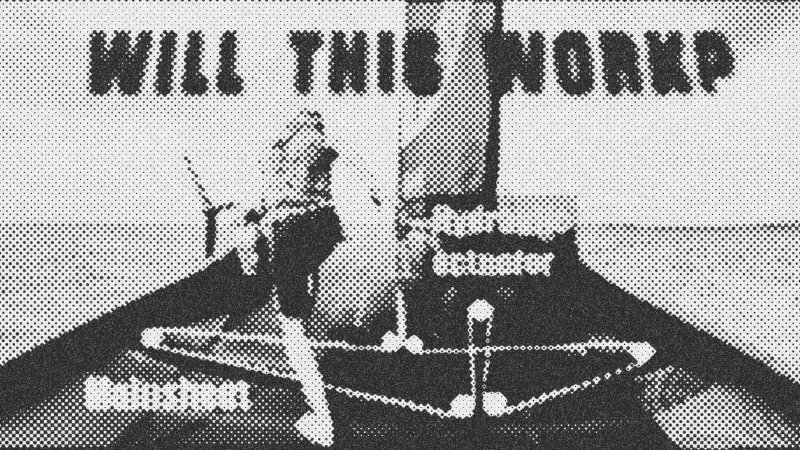
Performance Breakdown: The Stationary Hydraulic Pivot
A superior tactical move involves a stationary below-deck hydraulic system. By decoupling the main sheet ram from the moving traveler, we gain the freedom to place heavy components anywhere in the hull, optimizing weight distribution and allowing the sail skins to close tight for a perfect aerodynamic foil. The INEOS Britannia modification of a 1:2 ratio on the traveler rams further emphasizes that control accuracy often outweighs raw speed in high-speed maneuvering.
Critical Impact & Future Learnings
The trade-off is friction. My proposed system introduces multiple turning points as the line moves from the stationary ram to the traveler car. Every block added is a tax on energy and a potential point of failure. However, the future of the America's Cup belongs to those who can manage these mechanical losses in exchange for a cleaner aero-package. We are looking for the sweet spot where hydraulic precision meets aerodynamic perfection.
- AC36
- 17%· events
- America's Cup
- 17%· events
- Emirates Team New Zealand
- 17%· companies
- INEOS Britannia
- 17%· companies
- Luna Rossa
- 17%· companies
- Mainsail
- 17%· products
Mainsail control: A better way
WatchTHE FOIL // 6:54

The Foil is a new wave of racing media. We are a fresh, all-new, proudly independent digital media brand dedicated to the sport of sail racing. Our focus is centred around the major peaks of the international sport: SailGP, the America’s Cup and the Olympic Games, plus offshore classes and events, and the diverse wider world of sailing competitions that take place around the globe. Become a member now: https://www.youtube.com/@WeAreTheFoil/join