Mexico City chefs share secrets behind the world's most vibrant dining scene
The weekend ritual of pit-cooked Barbacoa
To understand the soul of Mexico City, one must surrender to its morning rituals. At El Hidalguense, the weekend begins with a primordial feast of Barbacoa. This is not merely food; it is an ancestral ceremony of patience and smoke. The chefs travel from the state of Hidalgo during the week, where they slow-cook lamb in underground pits, swaddled in agave leaves that lock in an almost impossible level of moisture. By the time it reaches the table in the city center on a Sunday morning, the meat is so tender that bones slide out with the weight of a whisper.
The experience is visceral. You are encouraged to engage with ingredients that challenge the uninitiated, from the smoky, garlic-fried crickets that offer a high-protein crunch to the more adventurous ant eggs. The flavor profile of the lamb itself is deeply earthy, carrying the scent of the agave heart. It is a dense, wet, and intensely aromatic experience that sets a high bar for the 48 hours to follow. This is the authentic taste of the Mexican highlands, served in quarter-pound portions to leave just enough room for the sensory onslaught of the neighborhoods to come.
Modern bistros redefine the Mexican palate
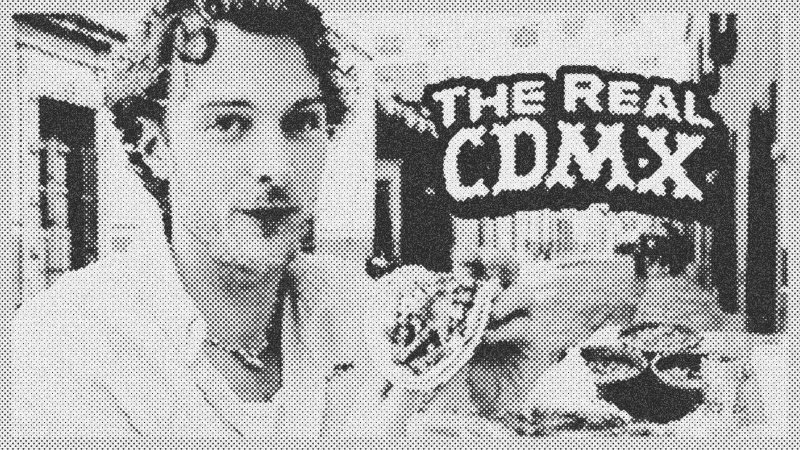
As the day shifts, the narrative moves to Roma Norte, a neighborhood that has become the global heartbeat of culinary innovation. Here, Lucho Martínez operates Martínez, a venue that captures the intersection of European bistro culture and indigenous Mexican produce. Martínez, who hails from Veracruz, has managed to secure a Michelin star by treating local ingredients with a sophisticated, minimalist touch.
A standout dish of smoked mussels with saffron aioli serves as a masterclass in texture, while his gnocchi—remarkably light and finished with lemon zest—challenges the density usually associated with the dish. The brilliance of this new wave of Mexican dining lies in its restraint. Even a seemingly simple green salad is transformed with candied papaya seeds, adding a sophisticated bitterness and crunch that mirrors the complexity of the city itself. This is high-art dining that remains deeply connected to the staff and the clientele, avoiding the coldness often found in elite global kitchens.
The architecture of flavor in Mexican bakeries
Mexico City’s relationship with bread—pan dulce—is a love affair that spans centuries. Panadería Rosetta, led by the visionary Elena Reygadas, is often cited as one of the most iconic bakeries on the planet. What began as a small operation to supply her restaurant, Rosetta, became a destination in its own right when locals began knocking on the doors at dawn, desperate for the bread meant for dinner service.
The signature guava pastry is a revelation—a marriage of rich, warm fruit and a creamy underside that makes a mockery of lesser commercial lamination. Innovation continues with the use of tarragon in sweet pastries, providing an herbal intensity that cuts through the butter-rich crunch. Meanwhile, at Marne Panadería, the team explores traditional forms like the Concha, a brioche-style ball topped with a patterned sugar crust. These are not the glossy, Instagram-perfect pastries of Paris; they are rustic, artisanal, and deeply soul-satisfying, often enjoyed with a pint of water-based hot chocolate in the afternoon as a social anchor.
From street stands to gourmet Taquerías
The taco remains the undisputed king of the CDMX landscape, but its evolution is multifaceted. On one end, you have 24-hour institutions like Tacos Los Jarochos Morgan, where Al Pastor—marinated pork shaved from a vertical spit—is served with the necessary splash of vibrant green or orange salsa. The Tortas, big crunchy sandwiches filled with grilled meats and molten cheese, provide a textural alternative for those who have reached their taco limit.
Contrasting this are gourmet destinations like La Bonvi, which has stirred controversy by elevating the humble taco to a luxury item. Here, one might find Black Angus beef prepared on a trompo, served as a costra—where the meat is encased in a crust of fried cheese. While the price point is significantly higher than a street stand, the depth of flavor in dishes like the spicy tuna tostada justifies the pilgrimage. For the ultimate in regional specialization, El Compita Birria de Res offers slow-cooked beef birria that is dipped in its own fatty consommé, resulting in a bite that is arguably the most decadent experience available on a paper plate.
The rise of independent cocktail culture
The bar scene has undergone a seismic shift away from corporate-dominated venues toward bartender-led spaces with distinct personalities. Tlecan, which currently sits at number 23 on the World's 50 Best Bars list, is a testament to this movement. The name means "place of fire" in Nahuatl, and the bar itself functions as a standing-only space where the bartenders prioritize personal connection over table numbers.
Tlecan is a temple to Mezcal and Pulque, the latter being a viscous, fermented agave drink that tastes like an earthy, fruity wine. They source traditional distillates from families who have been producing them for hundreds of years, effectively acting as a bridge between rural artisans and the cosmopolitan elite. Their Tascalate Sour, an interpretation of a 4,000-year-old drink from Chiapas made with toasted corn and cacao, proves that the future of the Mexican bar lies in its ancient past. Whether it is a frozen margarita at Despacho or an espresso martini paired with manchego at El Minutito, the city’s liquid offerings are now as meticulously crafted as its Michelin-starred plates.
Coastal influence and the late night finish
No exploration is complete without acknowledging the coastal influence that permeates the capital. Taller Xilotl serves as an essential alternative to the high-profile, hard-to-book seafood spots. Here, the Baja-style fish taco is perfected with a light, airy batter and chunky, fresh fish that fills the palate. Their Chile Relleno—a green pepper stuffed with flaky fish and a cheesy crust—is a cheffy masterstroke that brings the ocean to the high-altitude streets of the city.
The final act of any culinary journey in Mexico City should be a stop at Churrería El Moro. Operating since 1935, this family business has turned the frying of dough into a legendary pursuit. Dipping a crisp, sugar-dusted churro into thick chocolate while the city hums around you is the ultimate sensory conclusion. Mexico City is not a stressful place; it is a city of layers, where the smell of baking bread serves as the primary advertisement and the hospitality icons treat every guest like an old friend. To eat here is to participate in a story that is still being written, one taco and one mezcal at a time.
- Tlecan
- 10%· restaurants
- Chiapas
- 5%· places
- Churrería El Moro
- 5%· restaurants
- Despacho
- 5%· restaurants
- El Compita Birria de Res
- 5%· restaurants
- Other topics
- 71%
48 HOURS IN MEXICO CITY - The Best Restaurants
WatchTOPJAW // 44:19

We're Jesse & Will - two best buds travelling the world documenting the best things to eat, drink and do.