The Nihilism Loop: Aspirational Displacement in the Modern Economy
The Death of the Traditional Anchor
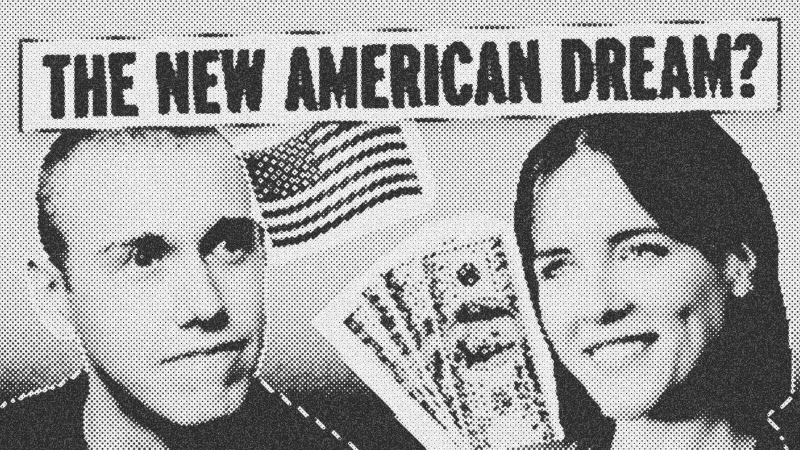
The American Dream is undergoing a structural transformation, driven by a widening gap between wage growth and the cost of essential assets. For decades, home ownership and family formation served as the primary economic anchors for the middle class. Today, millennials and Gen Z find these milestones increasingly inaccessible. When the cost of housing reaches six times the average annual income, the psychological barrier to saving becomes insurmountable for many. This shift has birthed a phenomenon known as aspirational displacement. Instead of accumulating wealth for a down payment, younger cohorts are reallocating disposable income toward experiences, pets, and accessible luxuries.
The Irony of Little Treat Culture
This reallocation creates a paradoxical economic environment. On the surface, retail sales remain robust, yet consumer sentiment lingers at historic lows. This discrepancy is the hallmark of financial nihilism. If a young professional believes they will never own a home, the motivation to save disappears, replaced by the immediate gratification of "little treat culture." We see the rise of niche services, such as Bark Air, an airline catering exclusively to dogs, which signals a pivot toward pet-centric spending as a substitute for child-rearing. While these expenditures keep the gears of the service economy turning, they reflect a deeper desperation rather than true prosperity.
Misleading Indicators and the Casino Economy
Mainstream economic analysis often fails to capture this nuance. High participation in the stock market is frequently cited as a sign of generational progress, but the data tells a more sobering story. While a record number of young people are investing, the average account balance on platforms like Robinhood remains under $250. Furthermore, the composition of these portfolios reveals a high concentration in volatile assets like crypto and meme stocks. This isn't traditional wealth building; it is a symptom of the "casino economy." When the standard path to stability is blocked, retail investors turn to high-risk bets as their only perceived escape route. This behavior is often misunderstood by older generations as financial health, when it is actually a leveraged cry for help.
Navigating the Media Noise
Developing a clear perspective in this environment requires more than just passive consumption. The modern media landscape is designed to "flood the zone," creating a stressful design that can lead to paralysis. To arrive at an informed take, one must compartmentalize information into broader themes rather than chasing every headline. The most effective way to internalize economic data is through active engagement—forcing oneself to articulate a viewpoint, whether in professional settings or through writing. This pressure to perform compels a deeper understanding of how global trends impact local realities. Ultimately, the goal is to filter out the noise and identify the signals that truly dictate the direction of the macro economy.
Ed Elson & Kyla Scanlon on Why Young Americans Feel Stuck in Today’s Economy | Office Hours
WatchThe Prof G Pod – Scott Galloway // 23:28

NYU Professor, best-selling author, business leader and serial entrepreneur Scott Galloway cuts through the biggest stories in tech, business, and investing with unfiltered insights, bold predictions and thoughtful advice. Podcasts include Prof G Markets with co-host Ed Elson, Prof G Conversations and Office Hours with Prof G.