The Geopolitics of Silicon: AI Hardware, Wearable Platforms, and the Economy of Loneliness
The Pivot in Semiconductor Diplomacy
The American stance on semiconductor exports to China has undergone a fundamental shift, moving from a rigid policy of denial to a complex transactional model. President Donald Trump recently authorized Nvidia to sell its advanced H200 chips to Beijing, provided the U.S. government captures a 25% cut of the revenue. This marks a departure from the Joe Biden administration’s focus on maintaining a "maximal lead" by restricting any hardware that surpassed specific compute thresholds.
While Nvidia stock initially climbed on the news, the geopolitical reality is far more friction-laden. The H200 represents a massive upgrade over previously allowed exports—offering six times the performance of the H20—yet China is already signaling resistance. Reports suggest that President Xi Jinping is instructing domestic firms to limit purchases of these American chips to bolster Huawei and ensure domestic self-reliance. This tension reveals a core truth of modern macroeconomics: technology is no longer just a commodity; it is the primary instrument of national power.
The Second Coming of Smart Glasses
Google is re-entering the wearable hardware market, over a decade after the commercial failure of Google Glass. The landscape has changed. While the original iteration suffered from "glasshole" social stigma and a lack of clear utility, the integration of generative AI through Gemini provides a new value proposition. Google is no longer just selling a camera for your face; it is selling a heads-up display for your digital life, from real-time translation to navigation.
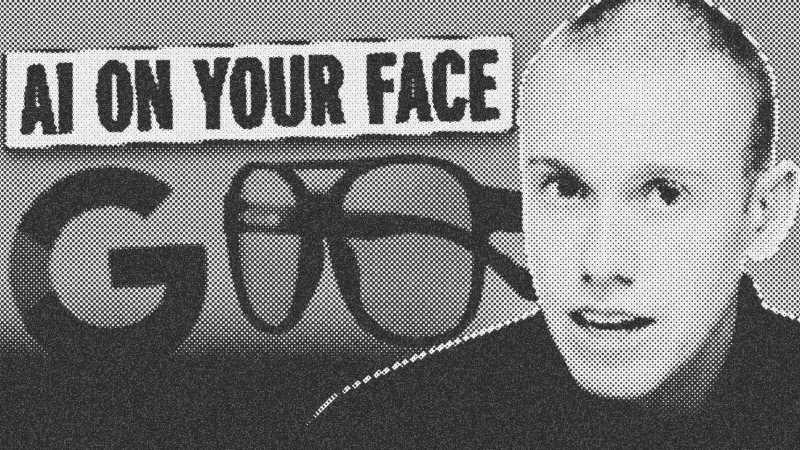
The strategic approach here mirrors the Android playbook. Rather than strictly vertical integration, Google is partnering with eyewear giants like Warby Parker and Gentle Monster. This addresses the aesthetic hurdle that previously sank the category. By making the technology invisible within stylish frames, Google and Meta are racing to own the "face real estate" that could eventually displace the smartphone as the primary interface for digital interaction.
OnlyFans and the Monetization of Isolation
Economic data often serves as a mirror for societal health, and the latest spending figures for OnlyFans present a sobering reflection. In 2025, Americans spent $2.6 billion on the platform—more than the national expenditure on basic staples like toothpaste or the entire budget for public media. This isn't merely a boom in adult entertainment; it is the commercialization of artificial companionship.
The platform’s success stems from its ability to simulate intimacy. Unlike traditional pornographic sites, OnlyFans thrives on the illusion of a private, two-way relationship between creators and subscribers. For a workforce increasingly characterized by remote isolation and declining social third spaces, this "loneliness economy" has become a multi-billion dollar industry. The surge in users, now approaching 400 million, suggests that as physical communities erode, capital flows toward digital surrogates of affection.
The SpaceX IPO and Market Vitals
While social and tech trends shift, the capital markets are bracing for a historic liquidity event. SpaceX is reportedly pursuing an initial public offering in 2026, seeking to raise over $30 billion. If realized, this would constitute the largest listing in financial history, signaling a massive vote of confidence in the commercial space sector and the leadership of Elon Musk.
Concurrently, the Russell 2000 has hit all-time highs, reflecting a market that is looking past immediate interest rate volatility and toward domestic growth. However, the stability of the 10-year Treasury yield and the dollar suggests that institutional investors remain cautious. We are seeing a bifurcation in the economy: speculative growth in high-tech and private ventures, contrasted with a deep, systemic deficit in social capital and traditional infrastructure.
Google Is Bringing AI to Your Face — Are Smart Glasses Finally Here? | Prof G Markets
WatchThe Prof G Pod – Scott Galloway // 29:12

NYU Professor, best-selling author, business leader and serial entrepreneur Scott Galloway cuts through the biggest stories in tech, business, and investing with unfiltered insights, bold predictions and thoughtful advice. Podcasts include Prof G Markets with co-host Ed Elson, Prof G Conversations and Office Hours with Prof G.