Market Mechanics over Moral Outrage: The Economic Logic of Resignation
The Primacy of Economic Signals
Historical data confirms that traditional political outrage often hits a wall of bureaucratic indifference. In the current administration, policy shifts rarely stem from ideological debate; they result from volatile market indicators. When stock prices dip or GDP growth forecasts soften, the executive branch demonstrates a remarkably rapid ability to pivot or walk back previously entrenched positions. This responsiveness proves that the administration views the economy not as a social contract, but as a dashboard of mechanical levers.
Consumer Sovereignty as a Tactical Weapon
The United States maintains a $30 trillion economy, with roughly 70% of that engine fueled by consumer spending. This concentration of power represents a latent force for political change. While individual actions feel microscopic, coordinated shifts in discretionary spending can trigger macroeconomic ripples. A decline in consumer confidence or a sudden contraction in sector-specific spending forces corporate leadership to recalibrate, which in turn pressures the government to maintain stability.
The Infrastructure of Enforcement
Current ICE enforcement escalations rely heavily on a private-sector backbone. Massive tech conglomerates provide the data architecture, logistics, and artificial intelligence necessary for state surveillance and enforcement. Companies like Amazon, Google, and Microsoft are no longer just service providers; they are the literal infrastructure of policy implementation. Targeting these entities through a coordinated strike aims at the point where corporate profit and state power intersect.
Nonparticipation as Radical Action
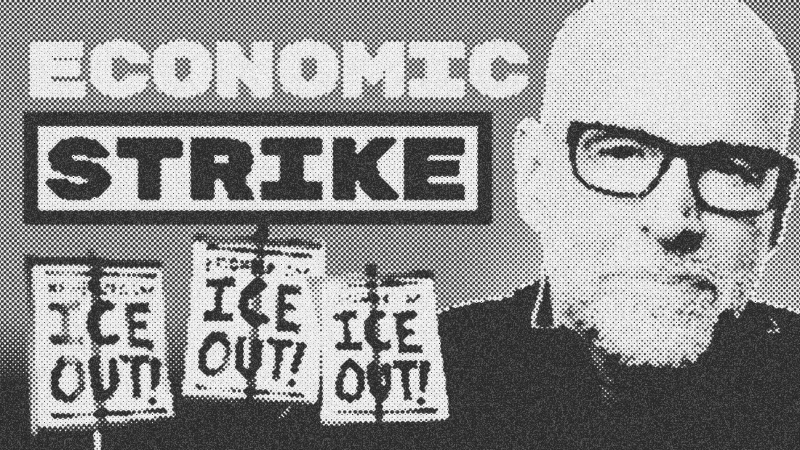
"Resist and Unsubscribe" functions as a strategic economic strike rather than a symbolic protest. By systematically pausing subscriptions across Apple, Netflix, and OpenAI, consumers signal a refusal to fund the digital tools of enforcement. In a capitalist framework, withdrawing capital is the most potent form of dissent. It creates a vacuum in the revenue streams that these tech giants use to justify their cooperation with controversial state mandates.
- Amazon
- 10%· companies
- Apple
- 10%· companies
- Dan Harris
- 10%· people
- Donald Trump
- 10%· people
- 10%· companies
- Other topics
- 50%
Resist and Unsubscribe: The Economic Strike Against ICE
WatchThe Prof G Pod – Scott Galloway // 2:03

NYU Professor, best-selling author, business leader and serial entrepreneur Scott Galloway cuts through the biggest stories in tech, business, and investing with unfiltered insights, bold predictions and thoughtful advice. Podcasts include Prof G Markets with co-host Ed Elson, Prof G Conversations and Office Hours with Prof G.