Grand Prix Agony: Analyzing the Strategic Collapse at Circuit de Barcelona-Catalunya
Overview of the Spanish Grand Prix Scenario
The fifth episode of the F1 2023 career mode brings us to the Circuit de Barcelona-Catalunya, a track synonymous with technical precision and aerodynamic efficiency. This specific race weekend presented a fascinating narrative arc, shifting from peak confidence to a frantic recovery mission. The driver entered the weekend with high expectations, citing previous experience in real-world simulators and a deep affinity for the track's rhythm. The removal of the final chicane in the updated 2023 layout further amplified the speed, making turn-in points and throttle application more critical than ever.
Key Strategic Decisions and Tire Management
Strategy defined the outcome of this race, specifically the tension between the driver's instincts and the team's projections. During practice, the car displayed exceptional balance on medium compounds, allowing for aggressive power delivery out of the apexes. However, the race day strategy involved a transition from hard tires to mediums. This choice proved to be a tactical oversight. While the car felt stable in the opening laps, the medium tires lacked the ultimate grip needed to defend against a hard-charging George Russell on softs. The decision to ignore the soft compound strategy for the final stint left the car vulnerable in the closing stages, highlighting a disconnect between the driver's preference for soft-tire performance and the calculated safety of the medium compound.
Performance Breakdown: Qualifying Dominance to Race Day Lapse
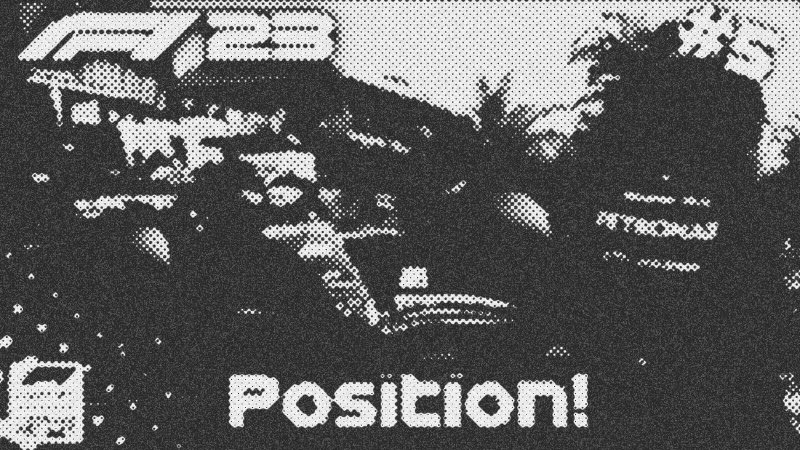
The performance deltas during qualifying were staggering. Despite a minor coolant leak during the first practice session, the driver secured pole position with a 1:12.4 lap. This success stemmed from mastering the high-speed sweepers of Sector 3, which are now flat-out following the track revisions. The start of the race was equally clinical, with the driver pulling out of DRS range almost immediately. However, the performance breakdown occurred on Lap 7. A momentary lapse in concentration led to a gravel trap excursion, causing a catastrophic drop from P1 to P9. This moment transformed a controlled victory march into a desperate salvage operation.
Critical Moments and Impact
The turning point was undoubtedly the spin on Lap 7. This error didn't just cost track position; it shattered the aerodynamic rhythm and tire temperature balance. The subsequent recovery drive showcased impressive tactical awareness, particularly the audacious three-abreast move into Turn 1 to overtake Charles Leclerc and Fernando Alonso. Despite these heroics, the lack of DRS on the final laps meant the car was a sitting duck on the main straight. The psychological impact of losing a guaranteed win is significant, turning a potential championship-defining weekend into a lesson in humility.
Future Implications and Tactical Learnings
Moving forward, the primary takeaway is the necessity of strategy flexibility. Relying on the team's "safe" medium tire recommendation cost a podium finish. Future races will require a more assertive stance on tire selection, particularly when defending against the faster soft-tire stints of Mercedes-AMG Petronas F1 Team and Scuderia Ferrari. While the raw pace for pole position is clearly present, the focus must shift to race-trim consistency and minimizing unforced errors under pressure. The car is fast enough to win; the driver must now match that speed with mental endurance.
- Carlos Sainz
- 8%· people
- Charles Leclerc
- 8%· people
- Circuit de Barcelona-Catalunya
- 8%· places
- F1 2023
- 8%· games
- Fernando Alonso
- 8%· people
- Other topics
- 58%
POLE POSITION! │ F1 2023 Career Mode │ Episode 5
WatchProdigyCraft // 18:59

I’m a UK based creator focusing on GTA Content! I've been active on YouTube for over 13 years and since 2023, I’ve uploaded shorts every single day! My unique approach to content blends research, storytelling and personality! Thanks for being part of the journey!