Slender Reborn: A Sinister Evolution of Creepypasta Horror
Returning to the Woods
Slender Reborn arrives as a haunting re-envisioning of the 2012 cult classic that defined the indie horror genre. This isn't just a texture pack; it’s a mechanical expansion that breathes fresh life into the faceless antagonist. The game strips away the safety of nostalgia, forcing players back into a dense, oppressive forest where the silence is as dangerous as the screaming static. The developer leverages modern lighting to create a suffocating atmosphere, making every swaying tree branch look like a reaching limb.
Mechanical Innovations and the Sanctuary
The core loop of collecting eight pages remains, but the win condition has evolved. Simply gathering the notes no longer triggers a victory screen. Instead, players must navigate the gathered fragments to a Summoning Circle to perform a ritual of destruction. This adds a high-stakes "extraction" phase to the gameplay. The addition of an in-game map significantly alters the pacing, replacing the aimless wandering of the original with a tactical, high-speed hunt.
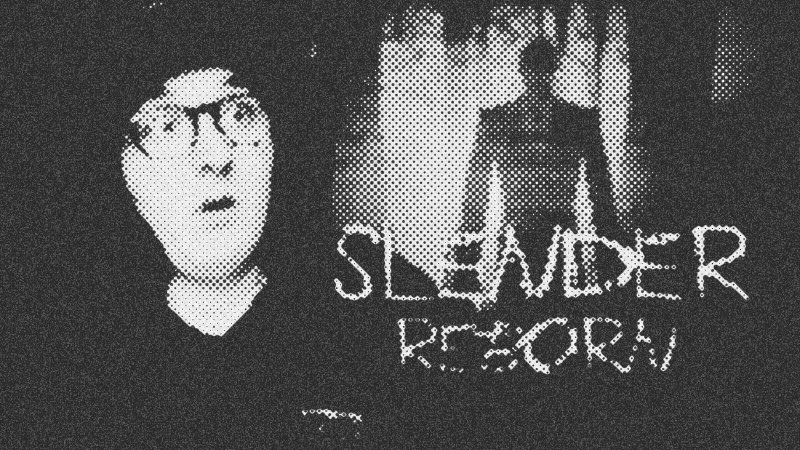
Analysis: The Hunter and the Hunted
The AI for Slender Man feels significantly more aggressive. He no longer merely teleports into your line of sight; he actively pursues with startling speed. The visual fidelity is a major leap forward, yet the game retains the visceral, lo-fi terror that made the original viral. While the map makes page-finding easier, it offsets this by increasing the enemy's proximity and reaction time. One minor drawback is the shortened game loop, which may feel brisk for veterans of the genre.
Final Verdict: A Legendary Return
This title is a definitive recommendation for anyone who felt the original's bite a decade ago. It respects the source material while fixing the aimless navigation of the past. By turning the endgame into a frantic dash for safety, it ensures the tension peaks exactly when it should. It stands as a masterclass in how to modernize a simple concept without losing the soul of the nightmare.
- Slender Man
- 20%· people
- Slender Reborn
- 20%· products
- Slender: The Eight Pages
- 20%· products
- Summoning Circle
- 20%· places
- The Prodigy Craft
- 20%· people
SLENDER IS BACK! │ Slender Reborn
WatchProdigyCraft // 8:02

I’m a UK based creator focusing on GTA Content! I've been active on YouTube for over 13 years and since 2023, I’ve uploaded shorts every single day! My unique approach to content blends research, storytelling and personality! Thanks for being part of the journey!