The Ghost of Playtime Co: Unraveling the Huggy Wuggy Phenomenon
The air in the room is thick with tension as the clock strikes 8:09 a.m., but the digital world within Poppy Playtime is shrouded in a much deeper, more ancient darkness. Returning to the decaying remains of the Playtime Co factory as an ex-employee isn't just a trip down memory lane; it’s a descent into a failed utopia. The silence of the facility is heavy, punctuated only by the distant hum of machinery that should have died a decade ago. It’s a classic setup for a descent into madness, where the ghosts of industry and the remnants of childhood joy collide in a spray of neon paint and rusted iron.
Walking through the front doors, the initial atmosphere feels more like a puzzle box than a slaughterhouse. The colorful, blocky aesthetics of the gift shop and the reception area serve as a jarring contrast to the grim reality that everyone vanished ten years ago. Picking up the first VHS tape introduces us to LePierre, the head of innovation, whose recorded voice warns of motion triggers and security systems that are far from tame. This is world-building at its most tactile. The player doesn't just read about the danger; they hold it in their hands, feeling the weight of a warning that has been looping in an empty building for a decade.
The Mechanical Puzzles of Memory
Progress in this haunted factory is gated by the very toys that made the company famous. The first hurdle isn't a monster, but a mechanical riddle involving a toy train and a color-coded security door. It’s a frustrating moment that highlights the intentional friction in the game's design. The controls feel sensitive, almost twitchy, mirroring the protagonist's presumed anxiety. After nearly twenty minutes of trial and error, the realization hits: the answer was always hidden in plain sight, etched into the environment itself. This is a recurring theme in the Poppy Playtime experience—the environment is the narrator, and if you aren't paying attention to the colors and the layout, you are already lost.
Once the security door yields, the reward is the iconic GrabPack. This tool is the soul of the game’s interaction. With its retractable blue and red hands, it turns the player into a literal extension of the factory’s assembly line. It’s a brilliant piece of narrative design; to survive this place, you must use the tools of the trade that likely led to the facility’s downfall. The GrabPack allows for the manipulation of electricity and the reaching of high places, turning every room into a potential circuit board. The mechanics aren't just for show—they reinforce the idea that the player is an engineer in a tomb of their own making.
Meeting the Blue Goliath
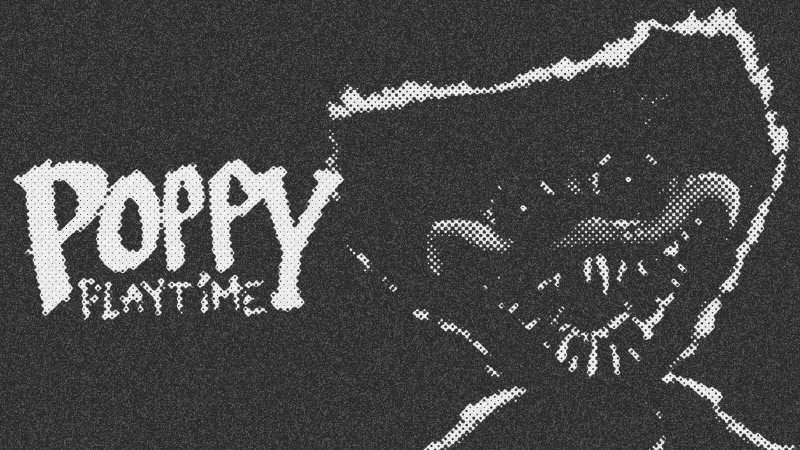
Standing in the center of the main atrium is the towering, fuzzy, and deeply unsettling Huggy Wuggy. At first, he is just a statue, a mascot designed by Elliot Ludwig to hug children forever. But there’s a wrongness to his proportions. His long, lanky limbs and those frozen, wide-eyed stares suggest a predator disguised as a playmate. The act of slapping his hand to initiate a high-five or stealing a key from his grasp feels like a sacrilegious joke—a moment of bravado before the inevitable fall. The narrative tension spikes the moment you turn your back, and the blue giant simply vanishes. He isn't just a toy; he is a hunter who knows the layout of these halls better than any former employee ever could.
As the power flickers back to life and the factory begins to groan, the horror transitions from atmospheric to visceral. The sight of a blue hand disappearing behind a door or the sound of heavy footsteps in a vent turns the puzzle-solving into a desperate race. The introduction of the red hand for the GrabPack requires a deeper dive into the "Make-A-Friend" machine area. Here, the game forces the player to become part of the production process. You aren't just exploring; you are manufacturing. The machine whirs to life, spitting out a toy that serves as your ticket to the next area, but the cost is the realization that this entire facility was designed to consume resources—and perhaps people—to create these "intelligent" playthings.
The Climax of the Ventilation Tunnels
The turning point arrives with a sudden, sharp shift in tempo. The slow, methodical puzzle-solving is shattered when Huggy Wuggy emerges from the shadows, not as a mascot, but as a nightmare of teeth and fur. The chase through the ventilation tunnels is a masterclass in claustrophobic terror. There is no time to think, only time to react. The lanky beast crawls through the pipes with a speed that defies his size, his many-rowed teeth gleaming in the dim light. This is the moment where all the jokes about "clapping cheeks" and "flat-ass monsters" die in the throat. The terror is real, fueled by a primal fear of being hunted in a space where you cannot stand upright.
Every turn in the vent feels like a dead end until the very last second. The player’s breath hitches as they scramble over catwalks and through narrow passages, the blue monster right on their heels. The resolution of this encounter requires a quick-thinking use of the environment—dropping a massive crate to break the walkway and send the beast plummeting into the abyss. It’s a moment of frantic triumph, followed by a heavy, ringing silence. The threat is gone, but the blood on the lower levels suggests that Huggy Wuggy was merely a symptom of a much larger, more scientific horror involving something called Experiment 1006, the Prototype.
Reflections from the Toy Box
The final stretch of the journey leads to the heart of the mystery: the Poppy doll herself. Walking through a corridor that looks like a scene from The Shining, the player finds a doll encased in glass. This isn't just a toy; Poppy is touted as the first truly intelligent doll, capable of having real conversations. Opening her case is the ultimate act of curiosity killed the cat. As she wakes and utters a simple "You opened my case," the screen cuts to black, leaving more questions than answers. The lesson here is clear: some boxes are meant to stay closed, and some legacies are too dark to be unearthed.
The journey through Playtime Co reveals a narrative about the dangers of unchecked innovation and the thin line between creation and monstrosity. Elliot Ludwig wanted to create a toy that could hug forever, but he ended up creating a facility that traps its inhabitants in a cycle of fear and mechanical servitude. The factory isn't just a setting; it's a character that remembers every employee, every mistake, and every drop of blood spilled in the name of science. As the credits roll, the lingering dread isn't from the jump scares, but from the realization that we are now part of the factory's history. We didn't just survive a nightmare; we became the latest experiment in Poppy's world.
- GrabPack
- 15%· products
- Huggy Wuggy
- 15%· people
- Poppy
- 15%· people
- Elliot Ludwig
- 10%· people
- Playtime Co
- 10%· companies
- Other topics
- 35%
Surviving the Nightmare! │Poppy Playtime Live Playthrough!
WatchProdigyCraft // 58:41

I’m a UK based creator focusing on GTA Content! I've been active on YouTube for over 13 years and since 2023, I’ve uploaded shorts every single day! My unique approach to content blends research, storytelling and personality! Thanks for being part of the journey!