The Suzuka Miracle: Mastering the S-Curves and Strategy in F1 2024
The air in the Mie Prefecture feels different when the Formula 1 circus arrives. Suzuka International Racing Course isn't just a circuit; it’s a high-speed, figure-eight cathedral where the ghosts of past champions linger in every gravel trap. For a driver behind the wheel of a Haas F1 Team car, entering the fourth round of the 2024 career mode, the challenge is visceral. The first sector, a relentless sequence of S-Curves, demands a rhythmic perfection that can break even the most seasoned veterans. This journey began not with confidence, but with a confession of struggle, as the pilot faced a track that had haunted him since his early days on the 2006 title.
Engineering the Underdog Advantage
Success at a technical marvel like this requires more than just raw reflex; it demands a surgical approach to the machine. The team arrived with fresh components from the factory, sparking an immediate shift in the garage atmosphere. To combat the high-speed demands of the 130R and the technicality of the first sector, the strategy pivoted toward a setup mirrored after a previous victory in Australia. By locking the brake pressure at 100% and chasing a delicate balance of downforce, the goal was clear: create a car that remains planted through the high-speed transitions without becoming a brick on the straights. Practice sessions became a data-mining expedition, testing race strategy and tire management to ensure the Ferrari-powered unit could actually go the distance against the giants of the grid.
The Qualifying Shockwave
Qualifying usually serves as a reality check for smaller teams, yet the tension in the cockpit told a different story. Q1 was a messy affair, plagued by a Red Bull Racing car blocking a critical push lap at the hairpin. Despite the interference, a slot in Q2 was secured. Then, the impossible happened. As the session progressed, heavyweights like Carlos Sainz Jr. faltered, failing to even reach the final top-ten shootout. In the dying seconds of Q3, the Haas driver extracted every ounce of performance from the soft compound, clocking an identical time to Max Verstappen. By the narrowest of margins—0.08 seconds—the underdog claimed pole position, senting shockwaves through the virtual paddock.
Defensive Masterclass Under the Japanese Sun
Lights out triggered a desperate battle of attrition. The Haas F1 Team car held the lead initially, but the superior aerodynamic efficiency of the Red Bull Racing and Fernando Alonzo's Aston Martin loomed large. For laps, the race was a game of energy management. The driver hoarded battery power through the technical sectors, dumping every joule onto the main straight to fend off the inevitable DRS attacks. The pressure was suffocating. By lap five, the sheer power of the Red Bull saw Max Verstappen snatch the lead, followed shortly by Fernando Alonzo. It seemed the dream of a podium was slipping away as the leaders pulled a two-second gap.
Pit Lane Redemption and the Final Blow
Fortune favors the bold, but in F1, it often favors the efficient. The turning point arrived during the mandatory pit stops on lap six. As the leaders dove for the hard compound tires, chaos in the pit lane worked in the Haas F1 Team' favor. Traffic held up the Red Bull Racing and Aston Martin crews, allowing the underdog to leapfrog back into the net lead. The final laps became a defensive masterpiece. On the very last lap, Max Verstappen pulled alongside entering 130R, nearly a full car length ahead. In a move of pure desperation and skill, the driver hung it around the outside, out-braking the champion into the final chicane to reclaim the lead and take the checkered flag. This victory at Suzuka International Racing Course proved that narrative momentum and tactical battery usage can occasionally overcome even the steepest performance gaps.
- Haas F1 Team
- 14%· companies
- Max Verstappen
- 14%· people
- Red Bull Racing
- 14%· companies
- Aston Martin
- 10%· companies
- Fernando Alonzo
- 10%· people
- Other topics
- 38%
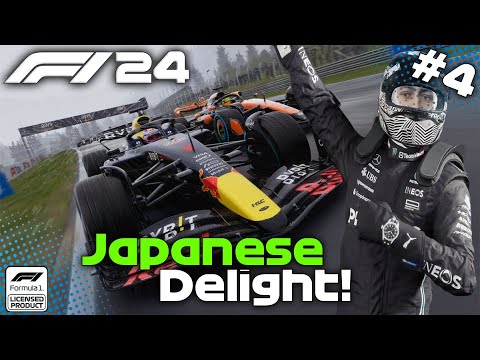
Japanese Delight! │ F1 2024 Career Mode │ Episode 4
WatchProdigyCraft // 25:29

I’m a UK based creator focusing on GTA Content! I've been active on YouTube for over 13 years and since 2023, I’ve uploaded shorts every single day! My unique approach to content blends research, storytelling and personality! Thanks for being part of the journey!