Surviving the Psych Ward: A Deep Dive into the Chaos of Overdose
Night Shift in the Asylum
Overdose thrusts players into the frantic shoes of a night-shift orderly at a crumbling psychiatric hospital. The premise drips with potential lore, suggesting a world where a sinister doctor conducts unethical experiments while a literal killer stalks the hallways. It blends the mundane tasks of institutional management with high-stakes survival horror. You aren't just a victim; you are a cog in a very broken machine, forced to keep patients sedated and stable while your own sanity hangs by a thread.
The Mechanics of Misery
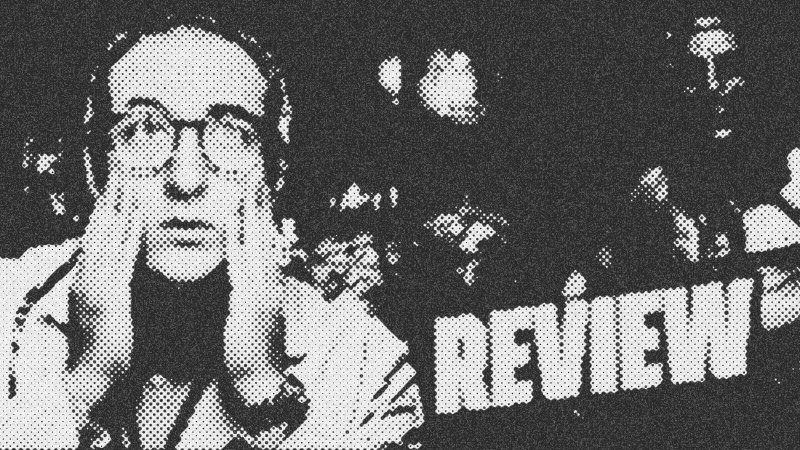
Overdose demands intense multitasking. Players must manage a "coffee slider" to maintain stamina and prevent blurry vision, which inadvertently increases a "urine level" that requires bathroom breaks. This cyclical management system grounds the horror in physical needs, but the implementation feels punishing. You are constantly balancing patient files, medication schedules, and security monitors. The lore reveals itself through clipboard documents detailing the dark histories of patients like Nathan and Sophie, though the heavily stylized, pixelated font makes these narrative nuggets frustratingly difficult to unearth.
A Visual Filter of Dread
The game utilizes a grainy, VHS-inspired aesthetic that evokes the feeling of a lost snuff film or a security recording from the 1990s. While this art style effectively builds atmosphere, it actively fights against the player during gameplay. The pixelation obscures critical information on patient files and makes identifying threats on the security cameras a chore rather than a thrill. It captures a specific lo-fi horror vibe but sacrifices mechanical clarity on the altar of style.
Frustration Over Fright
The difficulty curve in Overdose feels less like a challenge and more like a brick wall. Without difficulty settings or clear prompt reminders, the game expects perfection. Between recording hourly security footage for a mysterious observer and dodging an insta-kill slasher, the experience quickly shifts from atmospheric exploration to a trial-and-error nightmare. The lack of a casual mode prevents players from fully unravelling the secret history of the doctor’s experiments, as death comes swiftly and often without enough warning to learn from the mistake.
Final Verdict
Overdose possesses the bones of a great psychological thriller but currently suffers from an identity crisis between its art and its interface. It earns a five out of ten. The world-building suggests a deep, dark history within the asylum walls, yet the overwhelming mechanical frustration keeps those secrets locked away. Only the most patient horror veterans will find the stamina to survive until 5:00 a.m.
- Overdose
- 36%· products
- Emily
- 9%· people
- Ethan
- 9%· people
- James
- 9%· people
- keymailer.com
- 9%· companies
- Other topics
- 27%
Can I Survive the Mad Asylum Before the Killer Strikes?
WatchProdigyCraft // 9:57

I’m a UK based creator focusing on GTA Content! I've been active on YouTube for over 13 years and since 2023, I’ve uploaded shorts every single day! My unique approach to content blends research, storytelling and personality! Thanks for being part of the journey!