The Hour of Joy: Unraveling the Brutal Truth of Poppy Playtime's Finale
The Silence After the Storm
The air in the Playcare facility feels heavy, thick with the residue of red smoke and the echoes of a fallen deity. CatNap lies defeated, a once-terrifying sentinel now reduced to nothing more than a discarded toy. This victory provides a brief moment of respite, but the silence that follows is far more deafening than the battle. It is the silence of a mystery finally reaching its breaking point, where the player stands at the threshold of the deepest secrets held by Poppy.
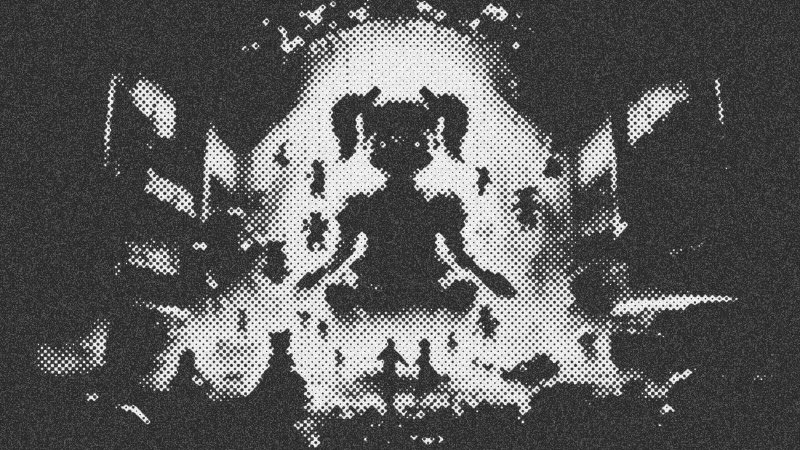
The Massacre Unmasked
When Poppy reveals the truth, she doesn't just speak it; she forces us to witness it through the lens of history. The Hour of Joy was no celebration; it was a systematic, brutal purge of every living soul within the factory. We see the terrifying efficiency of the toys as they turn on their creators. Huggy Wuggy and Mommy Long Legs hunt through the halls, transforming a place of childhood wonder into a slaughterhouse. This wasn't just rebellion; it was a calculated extinction event fueled by years of stored resentment and the influence of The Prototype.
Descent into Despair
The horror reaches a fever pitch with the revelation of what happened after the screams stopped. The toys didn't just kill the staff; they dragged the bodies into the depths to sustain themselves. This detail reframes the entire narrative, shifting the toys from mere monsters to desperate survivors of a horrific ecological trap. As the elevator descends, the weight of this carnage hangs over the player. Just as safety feels within reach, the scream of Kissy Missy shatters the hope. Her sudden, violent struggle against an unseen assailant suggests that The Prototype is never truly finished with its prey.
A Bitter Resolution
The chapter ends not with a triumph, but with a mourning. The loss of Kissy Missy serves as a grim reminder that in this universe, innocence—or even the desire for redemption—is often met with cold, metallic cruelty. We learn that survival in Poppy Playtime requires more than just solving puzzles; it requires facing the reality that the monsters we fight are often the victims of a much larger, more malevolent design. The journey ahead is no longer just about escape; it is a crusade against the architect of this misery.
- Kissy Missy
- 20%· people
- Poppy
- 20%· people
- The Prototype
- 20%· people
- CatNap
- 10%· people
- Huggy Wuggy
- 10%· people
- Other topics
- 20%
The Hour Of Joy! │ Episode 11: Finale │ Poppy Playtime: Chapter 3
WatchProdigyCraft // 7:40

I’m a UK based creator focusing on GTA Content! I've been active on YouTube for over 13 years and since 2023, I’ve uploaded shorts every single day! My unique approach to content blends research, storytelling and personality! Thanks for being part of the journey!