Andrew Yang reveals the calculated risks of a presidential campaign
A three-year gamble on the future of poverty
When Andrew Yang stepped onto the national stage, he wasn't just chasing a title; he was executing a strategic maneuver. As a financial advisor, I see his 2020 run as a high-stakes investment in public awareness. He calculated a 15% probability that his candidacy could accelerate the end of poverty by educating Americans on the looming shadow of the Fourth Industrial Revolution. With GDP per person nearing $83,000, the economic surplus exists to eliminate gross scarcity, yet the distribution remains broken. Yang viewed three years of his life as a fair trade for the chance to rewire the national conversation around Artificial Intelligence and sustainable growth before social cohesion disintegrated entirely.
The invisible wall of institutional gatekeepers
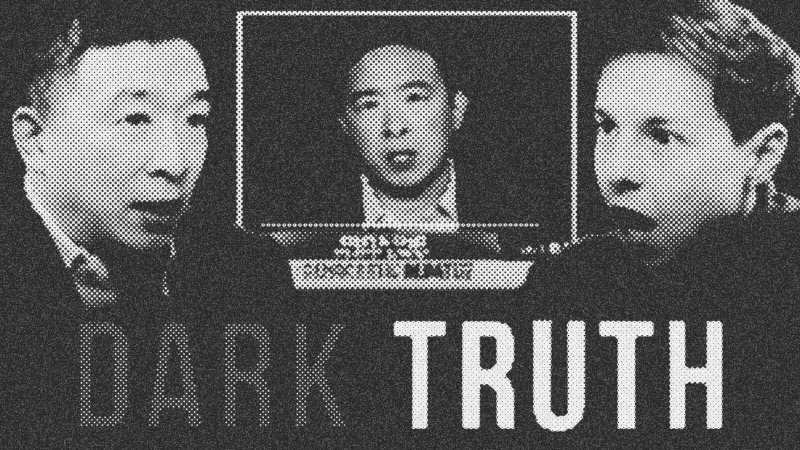
The rising action of his journey revealed a marketplace of ideas that was far from a level playing field. Yang quickly discovered that the "Holy Trinity" of Democratic media—The New York Times, MSNBC, and CNN—acted as arbiters of viability. He encountered a bizarre reality where institutional bias didn't just manifest as criticism, but as erasure. Producers later admitted to blacklisting him, while graphics showcasing top fundraisers simply skipped his name, jumping from third to fifth place to avoid acknowledging his momentum. These are not merely anecdotes; they represent a significant risk factor for any outsider attempting to disrupt established systems.
Shrunk by the editors and ignored by the establishment
The climax of this narrative arrived with blatant physical and digital manipulation. The New York Times went as far as digitally shrinking Yang's height in a photograph, an act so egregious it forced a rare retraction. Meanwhile, MSNBC entered a total blackout phase, refusing to report even when he qualified for the seventh presidential debate. This hostility often stemmed from the top down; the owners of Comcast, which owned MSNBC, hosted the first fundraiser for Joe Biden. In this environment, the press and donors function as the primary filters for political solvency, often working in tandem to protect established assets.
Digging for dirt in the karaoke machine
As Yang became a legitimate threat, the search for
- MSNBC
- 10%· companies
- The New York Times
- 10%· companies
- Amy Klobuchar
- 5%· people
- Andrew Yang
- 5%· people
- Ariana Pekary
- 5%· people
- Other topics
- 65%
What It’s REALLY Like Running for President… | Andrew Yang
WatchThe Iced Coffee Hour Clips // 19:07

Official Clips Channel of the Iced Coffee Hour Podcast. All of the Iced Coffee Hour Clips are posted here for your enjoyment! Podcast hosted by Graham Stephan and Jack Selby. Jack Selby: https://www.instagram.com/jlsselby/ Graham Stephan: https://www.instagram.com/gpstephan/