The Art of the Invisible: Creating Custom Museum Mounts
Mastering the 'Invisible' Museum Mount
In the world of high-end conservation, the greatest compliment a builder can receive is for their work to go completely unnoticed. When displaying a fragile artifact like the 1789 Iranian Vanity Box by Muhammad Baqir, the goal is to provide structural security without interrupting the viewer's experience. This guide breaks down the process of creating "invisible" mounts used by experts like Warren Bennett at The Metropolitan Museum of Art.
Tools and Materials Needed
To achieve professional-grade results, you must use conservation-approved materials that won't off-gas or damage the artifact.
- Brass Stock: For creating the rigid skeletal structure of the mount.
- Conservation-Grade Acrylics: High-pigment, archival paints for color matching.
- Clear Lacquers: Specifically slightly yellowed or aged lacquers to replicate historical finishes.
- Padding: Soft, inert materials for the contact points (tabs) to protect the object's surface.
- Reference Photography: High-resolution images of the artifact's hidden borders and patterns.
Step-by-Step Instructions
- Collaborative Design: Work with curators to determine the most dynamic display angle. For a vanity box, this often means an "exploded" view where every panel is visible simultaneously.
- Fabricate the Frame: Bend and solder brass straps to follow the contours of the object. Keep the profile as slim as possible while maintaining structural integrity.
- Color Base Layer: Apply an "orange haze" or brown base coat to the brass to mimic the underlying warmth of aged materials.
- Replicate the Pattern: Hand-paint the specific floral or geometric motifs of the artifact onto the mount. Focus on where the mount might be reflected in mirrors or seen from side angles.
- Finish Matching: Apply a transparent, tinted lacquer over your painting. This replicates the depth of historical oil-based finishes and ensures the mount reflects light the same way the artifact does.
Tips and Troubleshooting
Account for Parallax: The viewer isn't static. Always check your paint job from multiple angles, especially through reflective surfaces. A pattern that looks perfect from the front might break if someone cranes their neck.
Time Management: Even at the The Metropolitan Museum of Art, experts often only have two or three days for a complex mount. Don't over-paint areas that are physically blocked from view by the case or walls. Focus your artistry where the eye naturally stops.
Expected Outcome
A successful mount disappears into the artifact. By the end of this process, the brass hardware should blend seamlessly with the original papier-mâché and lacquer, allowing the 18th-century craftsmanship to take center stage. You aren't just building a stand; you're creating an extension of the object's own history.
- The Metropolitan Museum of Art
- 33%· companies
- 1789 Iranian Vanity Box
- 17%· products
- Adam Savage
- 17%· people
- Muhammad Baqir
- 17%· people
- Warren Bennett
- 17%· people
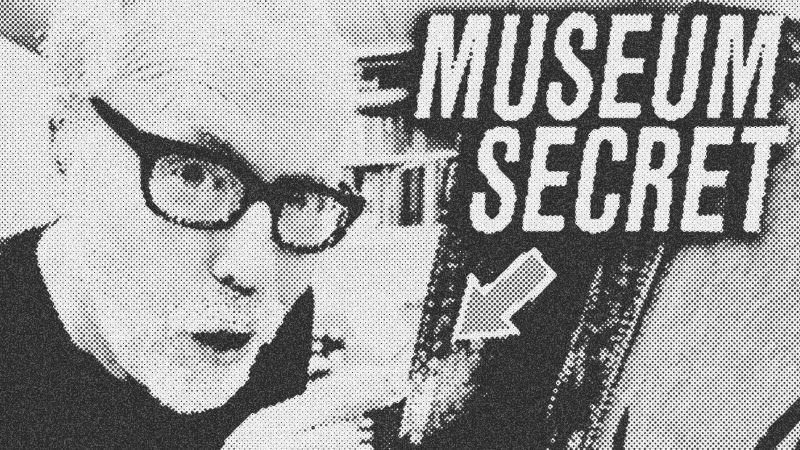
What Museums Don’t Want You to Notice
WatchAdam Savage’s Tested // 8:07

Adam Savage’s Tested is a content platform and community playground for makers and curious minds. On Tested.com, the highly- engaged Tested YouTube channel, and at conventions and events, dynamic makers share ideas and inspire each other to build their obsessions. Led by Adam Savage, the Tested team explores the intersection of science, popular culture, and emerging technology, showing how we are all makers. Adam also takes viewers behind the scenes of films, TV shows, theater, and museums, shining a spotlight on the craftspeople and artists who make the magic we all enjoy. Tested is also: Norman Chan, Joey Fameli, Josh Self, Kristen Lomasney and Thomas Crenshaw.