The Art of the Scoundrel: Engineering the Sideshow Han Solo Statue
Designing the Cantina Atmosphere
When building a physical representation of an iconic cinematic moment, you aren't just sculpting a character; you are engineering a vibe. The team at Sideshow faced a unique challenge with the Han Solo Premium Format Figure: how to take a scene historically filmed in tight, dark alcoves and make it visually compelling in a three-dimensional physical space. Jesse, the project manager, notes that the Mos Eisley cantina is essentially a khaki and brown shoebox. To avoid the "dull box" trap, the team looked toward theatrical inspiration, providing just enough environmental information—pipes, faded red and blue markings on the archway—to let the viewer’s mind fill in the rest of the gritty spaceport.
Capturing the specific body language of Han Solo requires more than just a likeness of Harrison Ford. It requires an understanding of the character’s deceptive nature. The pose focuses on the tension just before the blaster shot. Han slouches, leaning back with a deceptive casualness. His eyes look one way while his hand is elsewhere, a "magician's trick" of distraction. The team utilized ZBrush for digital iteration but relied on physical prints to see how the weight and balance actually felt. They even referenced Renaissance Italian sculptures to understand how to add tension and "liveliness" to the hands, ensuring the figure felt active rather than static.
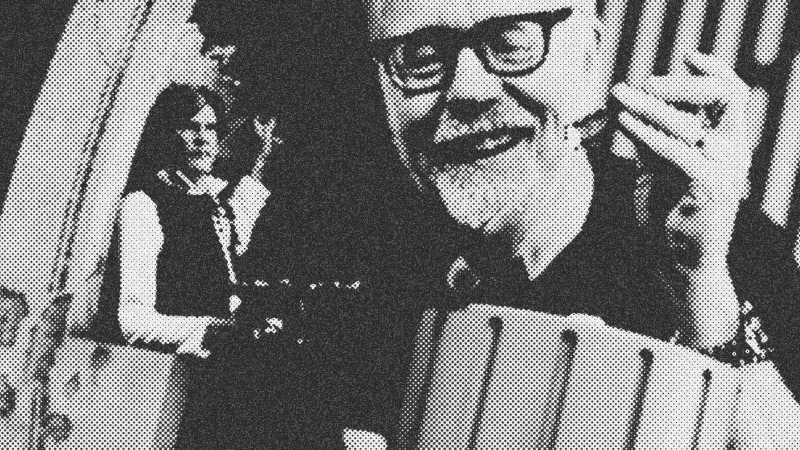
Tools and Materials for Miniature Tailoring
Building at 1/4 scale requires a complete shift in material physics. You cannot simply shrink a human-sized pattern and expect it to drape correctly. The weight of the fabric doesn't scale with the size of the figure, leading to stiff, "toy-like" appearances if not handled with expert precision. Tim from the cut and sew department manages this by using a mix of traditional and high-tech tools.
Key materials include sub-one-ounce pigskin for leather components, which provides a fine enough grain to maintain scale fidelity. For the clothing, the team utilizes custom-dyed denims and cottons. The equipment isn't necessarily exotic; Tim uses a standard consumer-level sewing machine but utilizes specific settings, like a 1.8mm stitch length, to ensure the thread doesn't look like rope against the miniature fabric. Additionally, ribbon wire is integrated into the hems of garments like the vest, allowing the artist to "sculpt" the drape and lock it into a permanent, wind-swept, or casual position.
Step-by-Step Costume Assembly
- Digital Breakdown and Keying: Before sewing begins, the 3D sculpt is analyzed to determine where the body needs to be "keyed" (split into parts). This ensures the clothing can actually be dressed onto the figure without tearing seams.
- Mockup Patterning: Create a basic Henley or trouser pattern based on the mannequin’s measurements. At this stage, symmetry is the enemy. Because Han is slouching, the left and right sides of the pattern must be different to accommodate the squash and stretch of the pose.
- Fabric Stress Assessment: Fit the mockup onto the prototype. Tim looks for stress points—where the crotch needs to be tightened or the back height increased—to allow the figure to "sit" naturally in the chair.
- Bloodstripe Integration: For Han’s pants, the red Corellian Bloodstripes are embroidered onto the fabric before assembly. This involves multiple dye tests to ensure the red thread maintains the correct density against the dark denim.
- Stitching the Details: Using a 1/16th-inch margin, stitch the center-front details. When working with miniature scales, sewing must be slow and deliberate; there is no room for a wandering needle.
- Inside-Out Dressing: The figure is dressed from the bottom up—pants and shirt first, then the vest. Important: Do not glue any components until the final layers are positioned, as the bulk of the vest changes how the shirt sleeves sit.
- Final Sculpting with Wire: Once the vest is on, use the internal wiring to pose the fabric. This creates the illusion of weight and movement that gravity alone cannot provide at this scale.
Tips and Troubleshooting the Build
One of the biggest hurdles in miniature costume work is the "monolithic" assembly. Unlike a human who can adjust their clothes throughout the day, a statue is a permanent installation. Tim warns against overcompensating for scale by removing too many wrinkles; some natural bunching is required to sell the reality of the pose. If the fabric looks too stiff, it often means the material is too thick or the stitch length is too long.
For the leatherwork, Jesse and Tim recommend laser-cutting the pieces. This provides a precision edge that hand-cutting can't match at 1/4 scale and prevents the leather from fraying or stretching during assembly. When dealing with the belt, they found that sculpting the pouches directly onto the figure—rather than making them from leather—offered better control over the silhouette while maintaining a perfect fit against the body's contorted position.
The Moment of Realization
Building a high-end collectible is a process of hundreds of small adjustments that eventually disappear into a single, cohesive character. The team describes a "cradle situation" where the painted prototype is finally laid into its environment. The ultimate goal is for the technical work—the wiring, the 1.8mm stitches, the laser-cut pigskin—to become invisible. When the figure is placed on the base and makes "eye contact," you know the engineering has succeeded. You aren't looking at a 498-part assembly anymore; you're looking at the scoundrel himself, finger on the trigger, ready to shoot first.
- Tim
- 31%· people
- Jesse
- 13%· people
- Adam Savage
- 6%· people
- DL44 Blaster
- 6%· products
- Han Solo
- 6%· people
- Other topics
- 38%
Adam Savage Inspects Sideshow's Prototype Han Solo Statue!
WatchAdam Savage’s Tested // 31:19

Adam Savage’s Tested is a content platform and community playground for makers and curious minds. On Tested.com, the highly- engaged Tested YouTube channel, and at conventions and events, dynamic makers share ideas and inspire each other to build their obsessions. Led by Adam Savage, the Tested team explores the intersection of science, popular culture, and emerging technology, showing how we are all makers. Adam also takes viewers behind the scenes of films, TV shows, theater, and museums, shining a spotlight on the craftspeople and artists who make the magic we all enjoy. Tested is also: Norman Chan, Joey Fameli, Josh Self, Kristen Lomasney and Thomas Crenshaw.